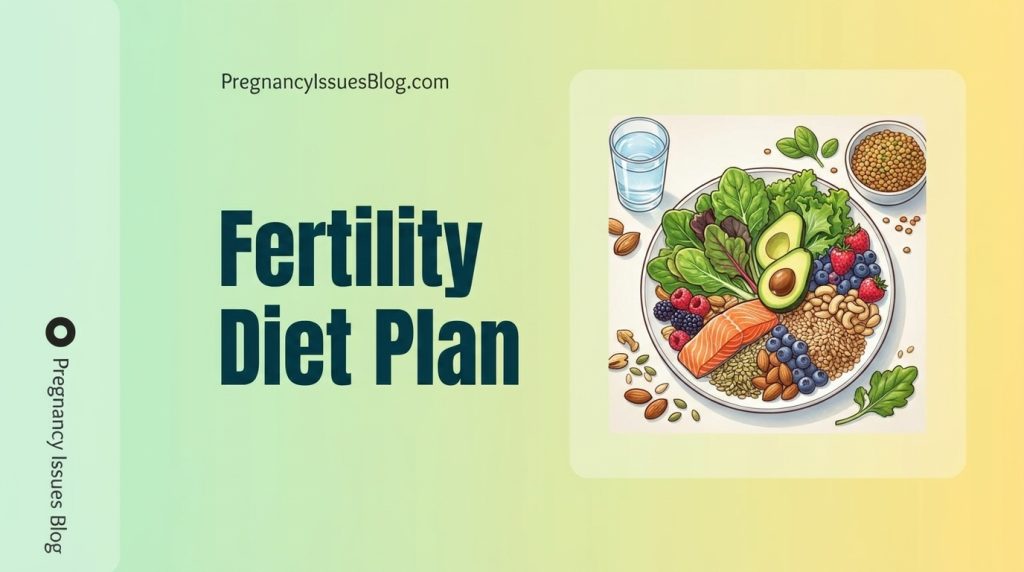
The journey to a positive pregnancy test often feels like a whirlwind of temperature charts, ovulation strips, and “what-if” anxieties.
There are now numerous high-tech apps to track every biological tick, but one of the most powerful tools for conception remains the humblest: your grocery list.
Think of your fertility diet not as a restrictive regime, but as a way to “prime the soil” before planting a seed.
By focusing on science-backed nutritional pillars, you can optimize your hormonal balance and improve your P(conception) without the stress of a “perfect” diet.
Table of Contents
Toggle1. The Pillars of Fertility Nutrition
The Insulin-Ovulation Connection
Your ovaries are incredibly sensitive to insulin.
When you consume refined carbohydrates, like white bread or sugary snacks, your blood sugar spikes, forcing an insulin surge that can disrupt the delicate balance of Follicle-Stimulating Hormone (FSH).
-
The Fix: Prioritize complex carbohydrates like quinoa, steel-cut oats, and sweet potatoes. These digest slowly, keeping your hormones in a steady “safe zone.”
The Plant Protein Pivot
Decades of research, including the landmark Harvard Nurses’ Health Study, show that replacing just a small portion of animal protein with plant-based sources (like beans, lentils, and tofu) can significantly lower the risk of ovulatory infertility.
-
The Fix: Try to have at least two to three “meatless” dinners a week centered around legumes.
The “Right” Kind of Fats
Hormones are literally made of fat. If you aren’t eating enough healthy, monounsaturated fats, your body may struggle to maintain a regular cycle.
-
The Fix: Reach for avocados, walnuts, and extra virgin olive oil. Conversely, avoid trans fats (found in many fried or processed foods), which are known “signal jammers” for reproductive health.
2. The Full-Fat Dairy Mystery
In a world that usually screams “low-fat,” fertility science offers a surprising twist.
Studies suggest that the process of skimming fat from milk changes the balance of sex hormones in the liquid, which can interfere with your own ovulation.
The Strategy: While you are trying to conceive, swap your skim milk or non-fat yogurt for the full-fat versions. One serving of whole-milk dairy per day has been linked to better ovulatory function.
3. A Simple One-Day Fertility Meal Plan
| Meal | What to Eat | Why It Works |
| Breakfast | Full-fat Greek yogurt with blueberries and walnuts. | High in antioxidants and healthy fats for egg quality. |
| Lunch | A large spinach salad with chickpeas, avocado, and lemon tahini dressing. | Packed with Folate (B9) and plant-based protein. |
| Snack | An apple with almond butter or a handful of pumpkin seeds. | Zinc and fiber to keep blood sugar stable. |
| Dinner | Wild-caught salmon with a side of quinoa and roasted broccoli. | Omega-3s for uterine blood flow and complex carbs. |
4. Hydration and the “Supp” Support
-
Hydration: Water is essential for maintaining healthy cervical mucus (the “transport system” for sperm). Aim for 2-3 liters a day, but skip the sugary sodas and limit caffeine to under 20mg (about one 12-oz cup of coffee).
-
Folate (B9): Ensure your prenatal vitamin contains at least 400 mcg of folic acid or methylfolate. This is critical for preventing neural tube defects in the very earliest days of pregnancy.
Progress Over Perfection
You don’t need to be a gourmet chef or a nutritional saint to boost your fertility.
Focus on adding more “good” than “bad”, more lentils, more avocados, and more whole grains.
Your body is a resilient, miraculous system; give it the raw materials it needs, and trust the process.