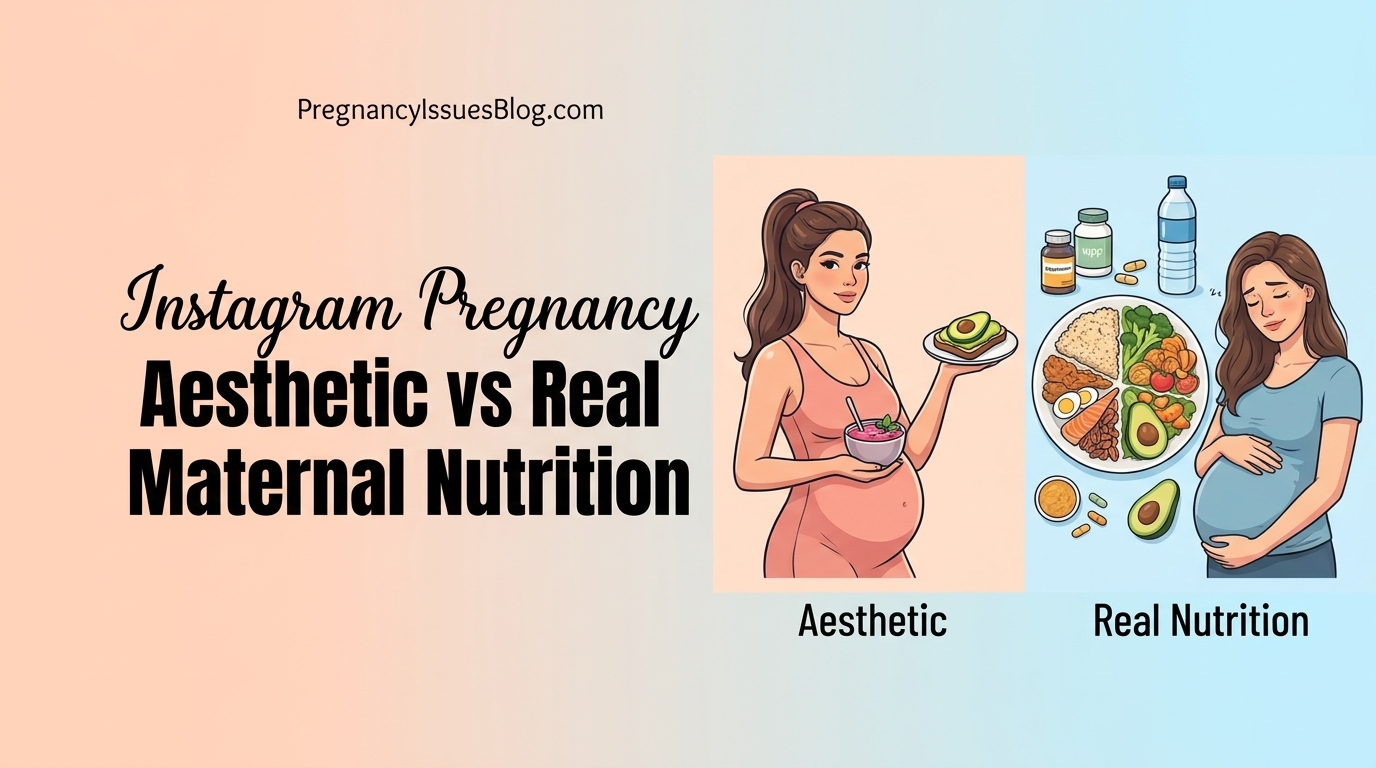
When we talk about healthy eating during pregnancy, we often focus on the “what”: kale, salmon, and Greek yogurt.
But for many women, the “how” and “why” are much more complicated.
Nutrition doesn’t exist in a vacuum; it is deeply intertwined with a woman’s bank account and her nervous system.
The link between stress, poverty, and dietary practices isn’t about a lack of willpower; it’s about a biological and economic “scarcity mindset” that changes how the brain and body prioritize fuel.
Table of Contents
ToggleThe Link Between Stress, Poverty, and Poor Dietary Practices During Pregnancy
Most prenatal nutritional advice sounds like it was written for someone with a personal chef and a serene yoga studio in their backyard.
We are told to “reduce stress” and “eat organic,” but for a woman living below the poverty line, these instructions aren’t just unhelpful, they’re alienating.
The truth is that poverty is a physiological experience.
It creates a specific kind of chronic stress that actively works against the body’s ability to make “healthy” choices.
The Survival Brain: Cortisol and Cravings
When you are worried about paying rent or keeping your lights on, your body stays in a state of “fight or flight.”
This triggers the release of cortisol, the primary stress hormone.
Biologically, cortisol tells your body that you are in a crisis.
In a crisis, your brain doesn’t want a slow-digesting kale salad; it wants quick, high-energy fuel.
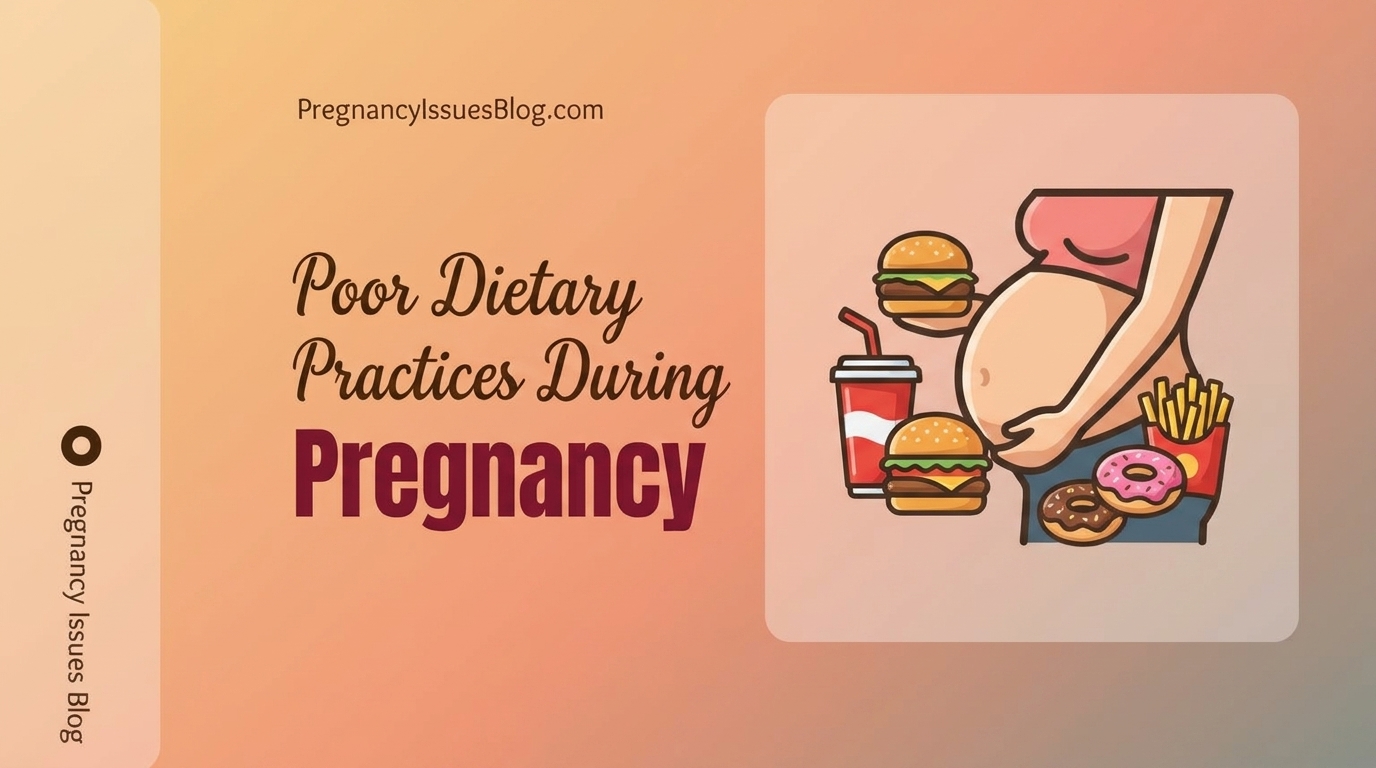
This leads to intense cravings for “highly palatable” foods, those high in sugar, salt, and fat.
These foods provide a temporary hit of dopamine, acting as a “cheap” way to self-soothe a frazzled nervous system.
The Math of Scarcity: Caloric Density per Dollar
In the world of poverty, nutrition is often a math problem where the goal is to stop hunger for as long as possible with as little money as possible.
-
The Problem: A bag of apples might cost $5 and provide 300 calories and some vitamins. A box of generic mac-and-cheese costs $0.75 and provides 1,000 calories and a sense of fullness.
-
The Result: When money is tight, “nutritional density” (vitamins/minerals) is sacrificed for “caloric density” (energy to keep moving).
This isn’t “poor decision-making.” It is a rational response to economic scarcity.
You cannot prioritize the long-term benefit of Vitamin K when your immediate reality is the short-term crisis of an empty stomach.
Time Poverty: The Unseen Barrier
We often forget that healthy cooking requires time, time to plan, shop, prep, cook, and clean.
Women living in poverty are often “time-poor.”
They may be working multiple jobs, using public transportation, or caring for other children without support.
When you get home at 8:00 PM after a 12-hour day, the 30-minute “easy” salmon recipe might as well be a five-course gala.
Processed, pre-packaged foods aren’t just cheap; they are fast.
In a life of high stress, convenience is a survival strategy.
The Environmental Reality
Where you live dictates what you eat.
Many low-income neighborhoods are “food deserts,” where the only grocery options are corner stores stocked with chips, soda, and processed meats.
If getting to a supermarket requires two bus transfers and a two-hour round trip, the barrier to fresh vegetables isn’t just price, it’s geography.
Breaking the Cycle with Compassion
The most important thing to understand about the link between stress, poverty, and diet is that it is not a moral failing.
If we want to improve pregnancy outcomes, we have to stop wagging fingers at mothers and start looking at the systems around them.
For the individual mother, the goal should be resilience over perfection:
-
Frozen and Canned: They are just as nutritious as fresh but cheaper and last longer.
-
Batch Staples: Boiling a big pot of beans or rice when you do have energy can provide a base for the days you don’t.
-
Self-Forgiveness: Stress is already high enough. Adding “nutritional shame” to the mix only increases cortisol, making the cycle harder to break.
Conclusion
Eating well during pregnancy is a physical, mental, and financial feat.
By acknowledging that stress and poverty are the primary drivers of “poor” dietary choices, we can move away from judgment and toward real, practical support for the mothers who need it most.