If you’re pregnant this year, your WhatsApp “Forwarded as Received” folder is likely a goldmine of unsolicited advice.
One morning it’s a broadcast about the dangers of ice cubes; the next, it’s a “miracle” herbal tea recipe from a Great Aunt three states away.
While these messages often come from a place of love, they can be a minefield of misinformation that complicates an already overwhelming journey.
Let’s peel back the layers of the most dangerous myths currently pinging on your phone.
Table of Contents
ToggleThe Most Dangerous Pregnancy Nutrition Myths Circulating on WhatsApp Groups
In this digital age, your phone is often your first “midwife.”
But between the nursery decor photos and family updates, WhatsApp groups have become a breeding ground for nutritional myths that can be genuinely harmful.
These “broadcasts” often spread faster than clinical advice because they use fear or “ancient secrets” to grab your attention.
If you’ve seen these hitting your notifications lately, here is the science you need to push back.
1. The “Eating for Two” Fallacy
This is perhaps the oldest myth in the book, yet it persists.
The “broadcast” version usually suggests that because you are growing a human, you need twice the food.
The Reality: In the first trimester, you need zero extra calories.
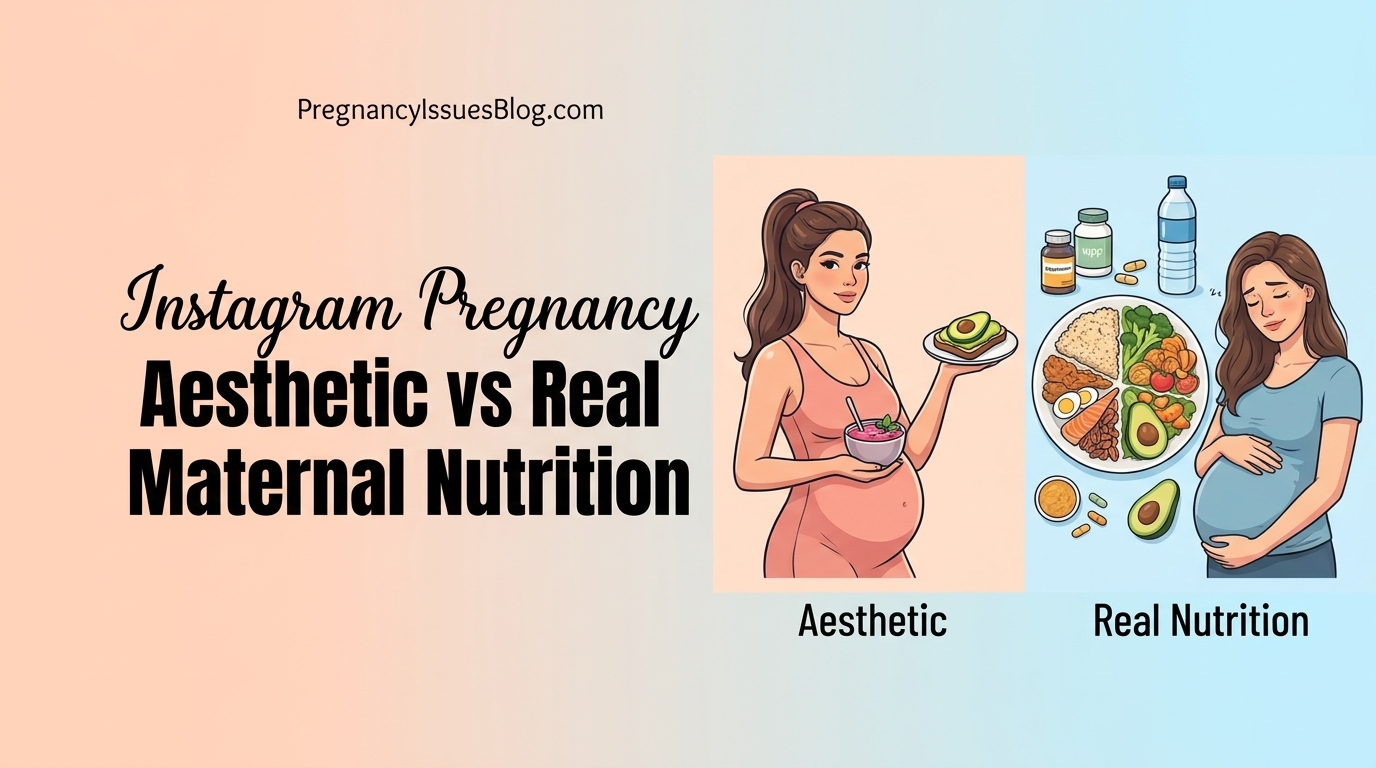
By the third trimester, you only need about 450 extra calories, roughly the equivalent of a turkey sandwich or a bowl of Greek yogurt with nuts.
Focus on nutrient density, not volume.
Overeating can lead to gestational diabetes and delivery complications, which is a far bigger risk than “under-feeding” a baby that is currently the size of a mango.
2. “Cleansing” the Baby with Herbal Agbo
In many regions, especially across West Africa, there is a strong cultural push to drink Agbo or “cleansing” herbal mixtures to ensure the baby is born “clean” or to “soften” the labor process.
The Reality: These unstandardized mixtures are among the most dangerous things a pregnant woman can consume.
Many of these herbs act as uterine stimulants, which can trigger preterm labor or fetal distress.
Furthermore, because these mixtures aren’t regulated, they can be toxic to the baby’s developing liver and kidneys.
Your baby doesn’t need “cleansing”; your placenta is a world-class filtration system designed exactly for that job.
3. Cold Water Causes Fetal Pneumonia
There is a persistent myth on social media that drinking ice-cold water “chills” the baby, causes them to develop pneumonia in the womb, or makes them “stiff” at birth.
The Reality: This is biologically impossible.
Your body is a highly efficient furnace.
By the time that cold water reaches your stomach, it is being warmed to your internal body temperature (37° C).
The baby is insulated by layers of muscle, tissue, and amniotic fluid.
Hydration is critical for maintaining amniotic fluid levels, whether that water is room temperature or ice-cold is entirely up to your preference.
4. The “Plastered” Baby (Avocados, Bananas, and Papaya)
A common “warning” in many community groups is that eating “slimy” or “fatty” foods like avocado, okra, or bananas will result in the baby being covered in a “sticky” white substance (vernix) that makes delivery difficult, or that these foods will “plaster” to the baby’s head.
The Reality: Vernix caseosa is a naturally occurring, protective biofilm that keeps your baby’s skin hydrated and protected from germs; it has absolutely nothing to do with what you ate for lunch.
In fact, the healthy fats found in avocados and the potassium in bananas are essential for your baby’s rapid brain development and your own blood pressure regulation.
5. Zobo (Hibiscus) is “Just Natural Juice”
Because Hibiscus tea (Zobo) is natural and packed with Vitamin C, it’s often touted as a healthy pregnancy drink.
The Reality: This is one instance where the “it’s natural” myth can be dangerous.
Scientific studies have shown that Hibiscus can interfere with estrogen levels and may stimulate the uterus, potentially leading to miscarriage or early labor.
While a single glass might not be a crisis, it is generally advised to avoid it entirely during pregnancy.
It’s a classic example of why “natural” doesn’t always equal “safe.”
How to Spot a WhatsApp “Nutrition Villain”
Before you hit “forward,” look for these red flags:
-
The “Secret” Angle: If the message says “Doctors won’t tell you this…” or “Ancient secret revealed…” be very skeptical.
-
Absolute Fear: If the message claims a common fruit is “poisonous” for your baby without citing a medical study.
-
Forwarded Many Times: If it has that little “Forwarded” arrow at the top, it’s likely been through a game of digital telephone.
Conclusion
Your Great Aunt’s WhatsApp group is a great place for family recipes and baby name suggestions, but it shouldn’t be your primary source of medical advice.
If a nutritional “hack” sounds too strange or too scary to be true, it probably is.
When in doubt, talk to your midwife or doctor; they’re the only ones who truly know the specifics of your health and your baby’s growth.