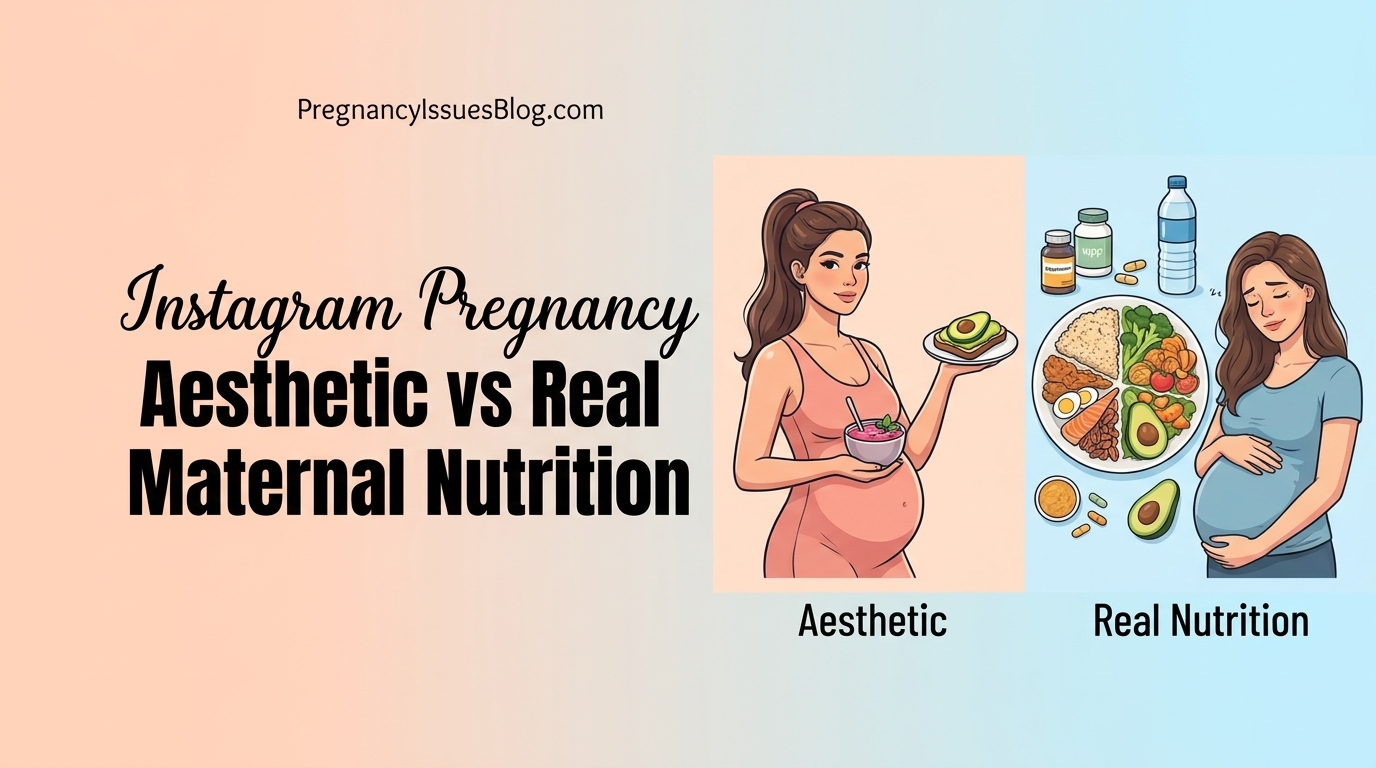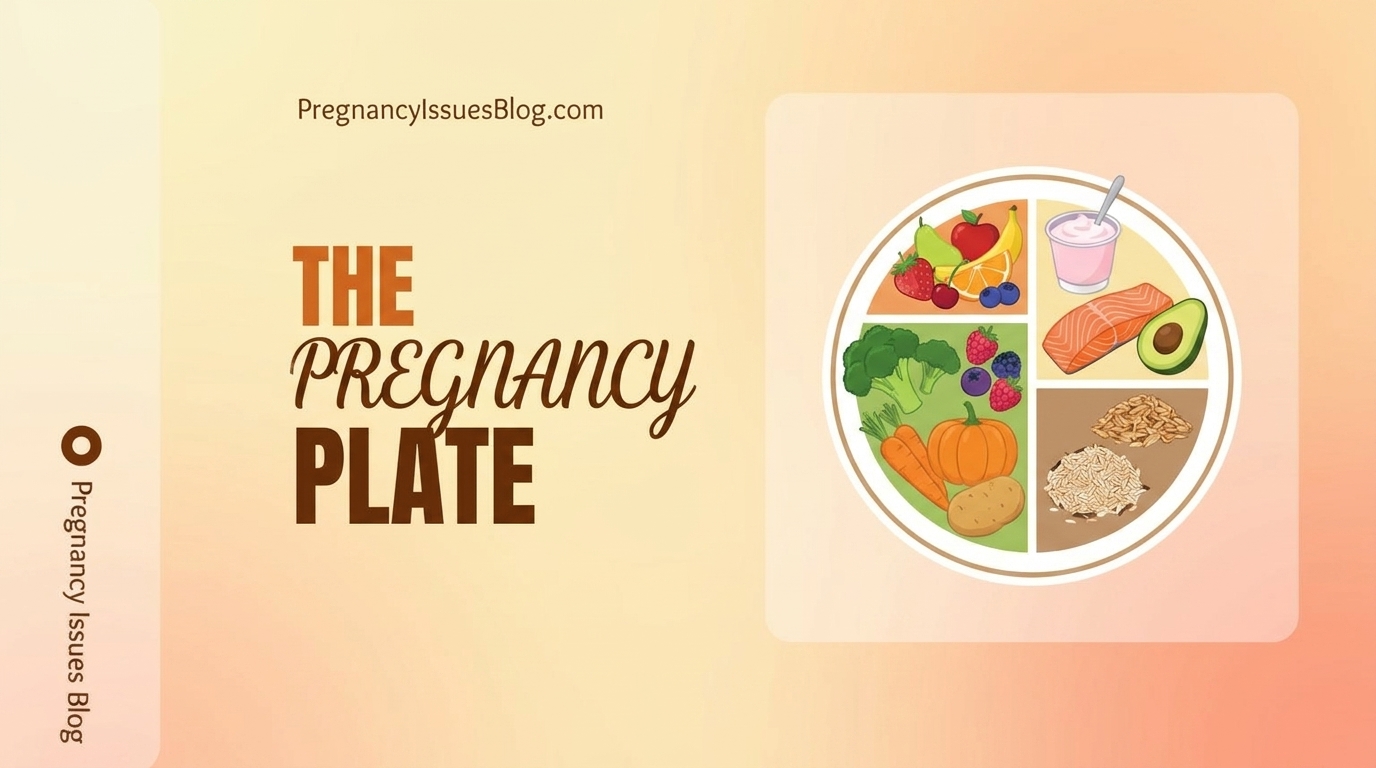
Your Instagram feed is likely a visual feast of “glowy” pregnant women sipping green smoothies, perfectly organized meal prep containers, and infographics explaining the benefits of magnesium.
It’s aesthetic, it’s inspiring, and it’s everywhere.
But does double-tapping a photo of a “Superfood Salmon Salad” actually lead to you eating more salmon?
Or is social media just a digital museum of things we wish we were eating while we settle for a bowl of cereal?
Let’s look at the science of the “Scroll-to-Plate” pipeline.
Table of Contents
ToggleDoes Following Nutrition Pages Actually Change What You Eat?
We spend a massive amount of our pregnancy “insomnia hours” scrolling through health and wellness content.
In this digital age, the average expectant mother follows at least three accounts dedicated to pregnancy nutrition or “healthy lifestyle.”
While it feels productive, the link between scrolling and swallowing is more complex than you might think.
The “Visual Priming” Effect
There is some good news: research suggests that “visual priming” is real.
When your feed is consistently populated with colorful fruits, vegetables, and lean proteins, your brain begins to categorize these foods as “accessible” and “standard.”
Social media acts as a form of Social Learning.
When you see another pregnant woman, someone you relate to, making a quick high-protein snack, your brain registers it as a “behavioral possibility.”
It lowers the mental hurdle of trying something new.
If “everyone” on your feed is eating Greek yogurt for breakfast, you are statistically more likely to grab a tub during your next grocery run.
The Paradox of the “Saved” Post
Here is where the data gets murky.
There is a massive gap between intent and action.
Digital health researchers call this the “Knowledge-Practice Gap.”
You might “Save” fifty salmon recipes on Instagram, but if you are tired, nauseous, or on a tight budget, those saved posts stay in the digital vault.
Following nutrition pages increases your knowledge (you know why you need Omega-3s), but it doesn’t necessarily provide the energy or resources to execute the plan.
In fact, for some women, having too many saved recipes creates “Choice Paralysis”, they are so overwhelmed by the options that they default to the easiest, most familiar meal instead.
The “Algorithm of Guilt”
We also have to talk about the psychological “Tax.”
When a nutrition page posts a “What I Eat in a Day” that is 100% organic, sugar-free, and home-cooked, it can inadvertently trigger a shame response in women who are struggling.
If you are currently surviving on ginger ale and white bread due to hyperemesis, seeing a “Glowing Green Smoothie” post won’t inspire you; it will likely make you feel like you are failing your baby.
This stress increases cortisol, which, ironically, can lead to more emotional eating and less dietary diversity.
What the Research Shows
Recent studies indicate that social media is most effective at changing habits when it is interactive.
-
Passive Scrolling: Has a negligible effect on actual nutrient intake.
-
Active Engagement: Women who participate in “Challenges,” polls, or Q&A sessions with Registered Dietitians on social media show a 15-20% increase in dietary diversity.
| Type of Social Media Use | Impact on Diet |
| Passive “Lurking” | Low (mostly increases anxiety). |
| Saving Recipes | Moderate (increases intent, but rarely action). |
| Community Interaction | High (builds accountability and habit change). |
Conclusion
Does following these pages work?
Yes, but only if you use them as a tool rather than a yardstick.
If a page makes you feel empowered and gives you “ah-ha!” moments for quick snacks, keep it.
If a page makes you feel like you need a $200 grocery budget and a sous-chef to be a “good mom,” hit unfollow.
Your baby needs a well-fed mother, not a mother who is scrolling her way into a state of nutritional perfectionism.