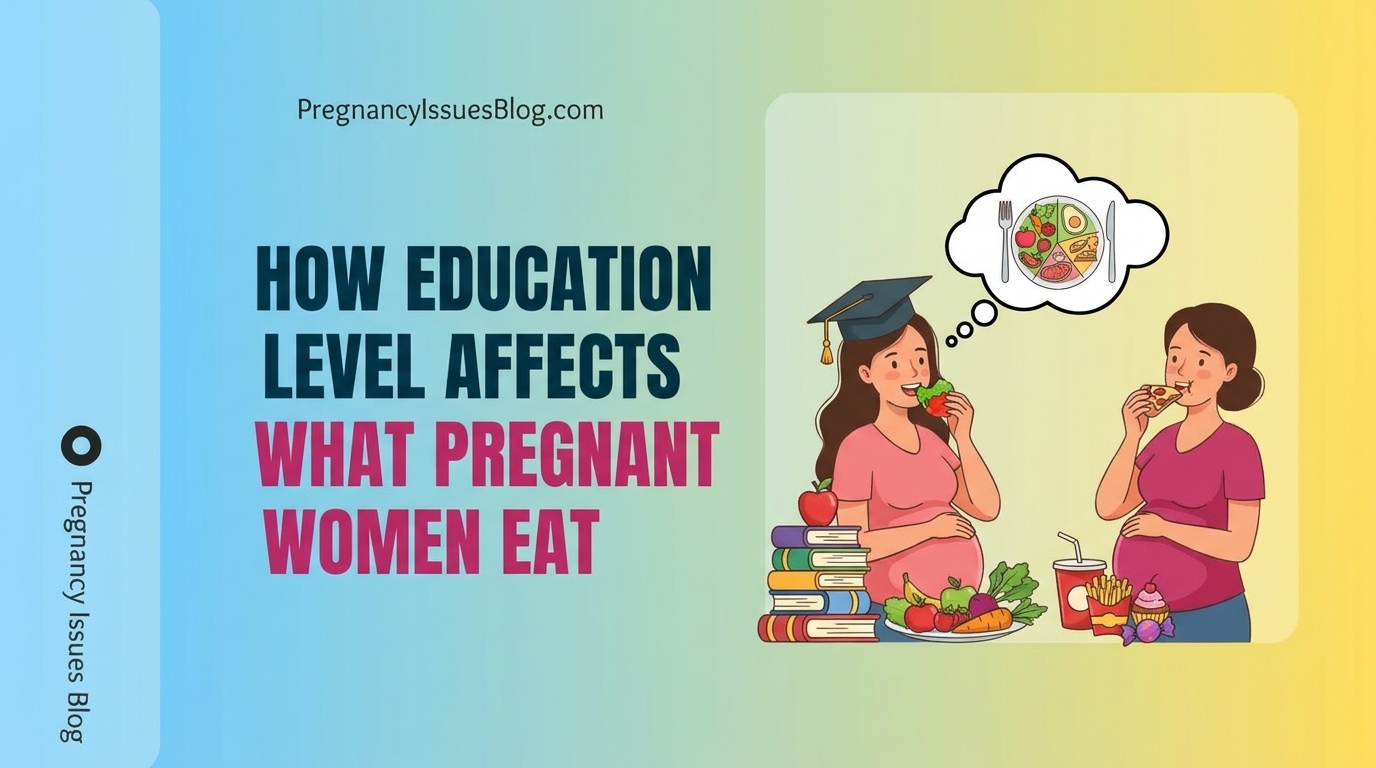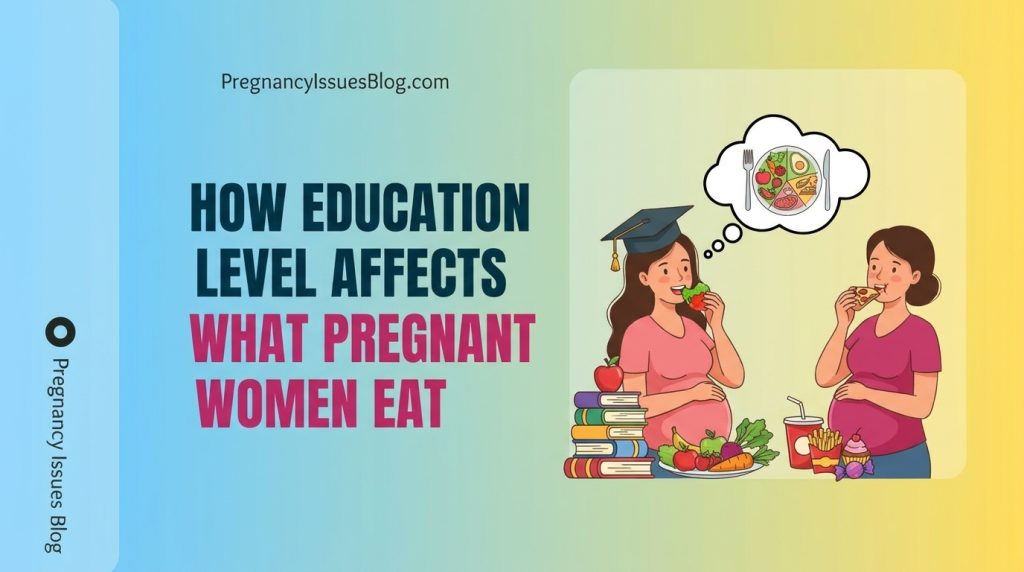
It is an uncomfortable truth in maternal health: the number of years a woman spends in school can significantly predict the nutrients on her dinner plate.
Research across the globe consistently shows that higher levels of maternal education are linked to better dietary diversity, higher intake of micronutrients like folate and iron, and overall healthier birth outcomes.
But this isn’t a story about intelligence; it’s a story about access, health literacy, and the power of navigating a complex food system.
Here is a look at the education gap in prenatal nutrition and how we can bridge it.
Table of Contents
ToggleHow Education Level Affects What Pregnant Women Eat
When we talk about “education level” in pregnancy, we aren’t just talking about a diploma on the wall.
We are talking about Health Literacy, the ability to find, understand, and use information to make health-related decisions.
For a pregnant woman, this means being able to read a nutrition label, understand why mercury in fish is a risk, and distinguish between a evidence-based medical advice and a viral (but dangerous) TikTok trend.
Why the Gap Exists
Studies have shown that women with higher education levels tend to consume more fruits, vegetables, and lean proteins compared to those with lower educational attainment.
This happens for three primary reasons:
-
Resource Navigation: Higher education often leads to higher-paying jobs, which removes the financial barrier to “expensive” healthy foods. It also often provides better health insurance and more frequent access to specialists.
-
Cognitive “Filtering”: The modern world is full of conflicting health advice. Education provides the tools to look at a source and ask: “Is this backed by science, or is this marketing?”
-
Self-Efficacy: There is a psychological component to education that builds the confidence to ask doctors questions. A woman who feels empowered by her education is more likely to advocate for herself when she doesn’t understand a nutritional recommendation.
The “Information Overload” Trap
Ironically, the sheer volume of available information can be a barrier.
If a midwife hands a woman a 50-page packet of medical jargon about “macronutrient ratios” and “neural tube defect prevention,” the message can get lost.
For someone who may have struggled in traditional school environments, this wall of text feels like a “test” they are already failing.
When advice is too complex, the brain defaults to what is familiar, which is often the processed, convenient, or traditional foods they grew up with, regardless of their nutritional value.
Bridging the Gap: A New Approach
We cannot change a mother’s educational history overnight, but we can change how we deliver health information.
To move toward nutritional equity, we need to shift our strategies.
| Standard Approach | The Accessible Approach |
| Complex Jargon: “Ensure adequate folic acid for DNA synthesis.” | Plain Language: “Take this vitamin to help build your baby’s brain and spine.” |
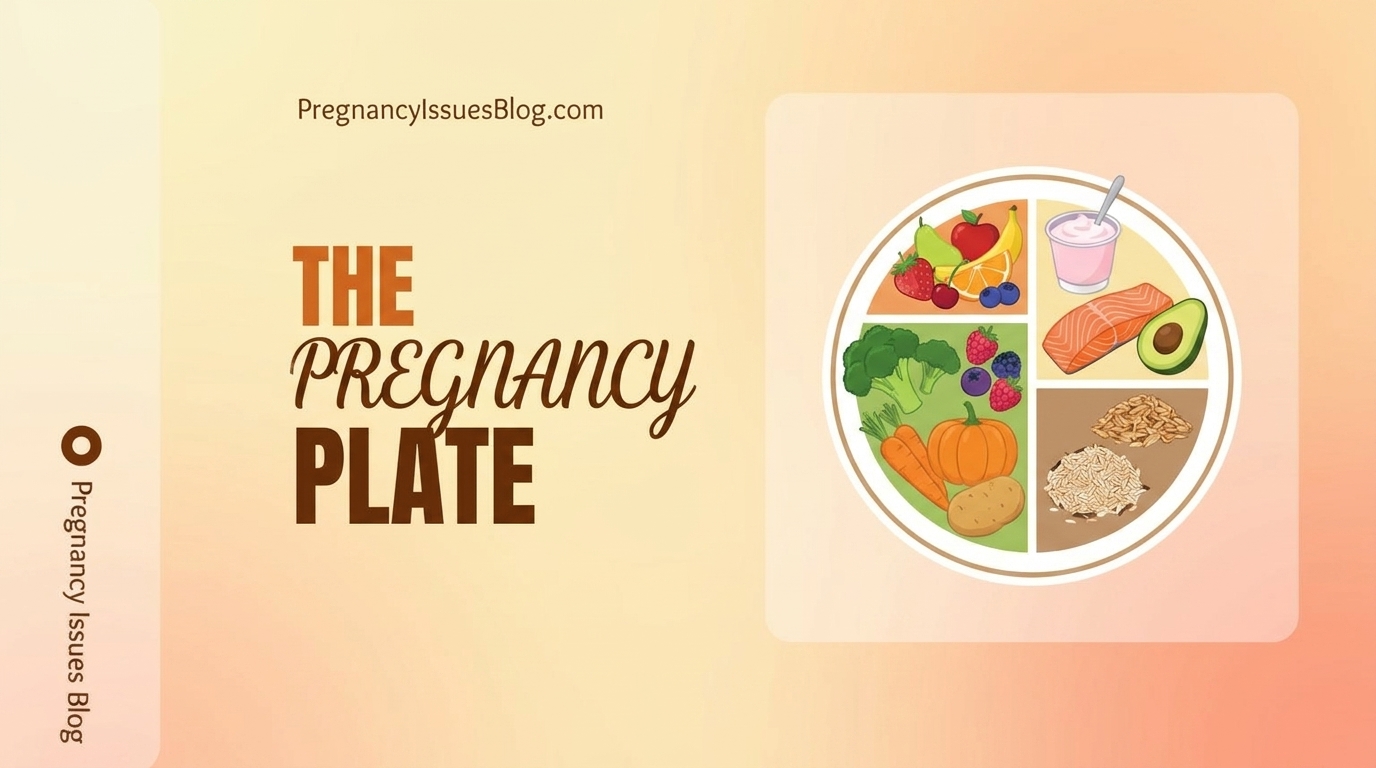
| Long Pamphlets: Text-heavy booklets. | Visual Aids: Plate diagrams, infographics, and short videos. |
| Top-Down Advice: Doctors telling women what to do. | Peer Learning: Community mothers sharing tips and recipes. |
1. Simplify the Message
Health communication should be designed for the “universal” reader.
Using icons, color-coding (like a green-light/red-light system for food safety), and simple analogies makes the information “sticky.”
You don’t need a biology degree to understand that your baby needs “building blocks” (protein) and “shields” (vitamins).
2. Community-Based Interventions
Often, the best messenger isn’t a doctor in a white coat; it’s a woman from the same neighborhood who has “been there.”
Community health workers and doulas can translate complex medical advice into culturally relevant, practical shopping lists.
3. Focus on “Micro-Changes”
Instead of demanding a total dietary overhaul, focus on one or two high-impact changes.
For example: “If you can only do one thing this week, swap your soda for water and take your iron pill with an orange.”
This reduces the cognitive load and builds a sense of success.
Conclusion
A mother’s education level should never determine her baby’s health potential.
By stripping away the jargon and making nutritional support accessible, visual, and community-centered, we can ensure that every pregnant woman, no matter where she went to school, has the tools to build a healthy future for her child.