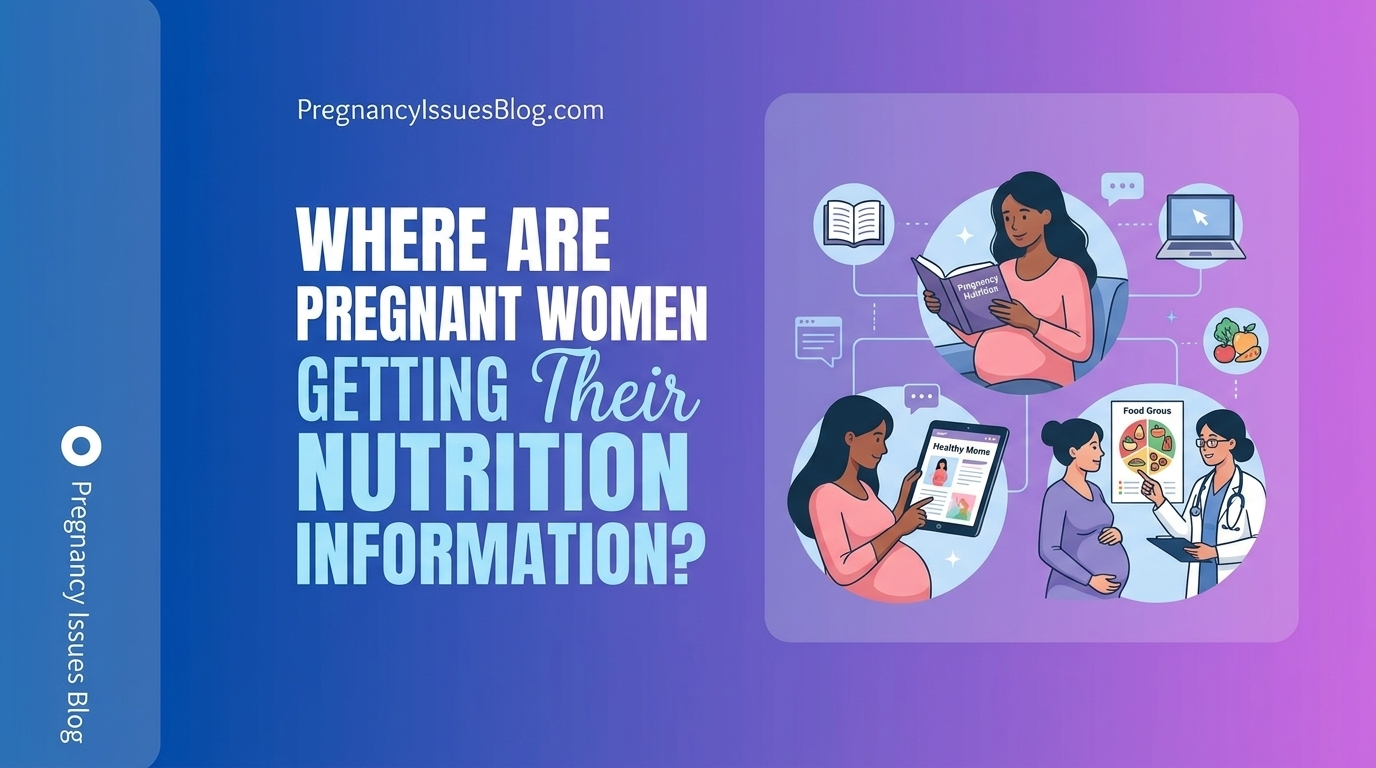
Gone are the days when a pregnant woman’s only source of nutritional guidance was a tattered, black-and-white pamphlet handed over by a stoic OB-GYN.
Today, the “waiting room” has moved to the palm of the hand.
While clinical advice is still the gold standard, the reality is that most expectant mothers are navigating a complex web of algorithms, family group chats, and “wellness” influencers.
Here is a look at the modern landscape of pregnancy nutrition information and why the doctor’s office is often the last stop on the journey.
Table of Contents
ToggleWhere Are Pregnant Women Getting Their Nutrition Information? (Hint: It’s Not Always Their Doctor)
When a woman sees two pink lines, her first instinct usually isn’t to call her doctor and ask for a meal plan.
Her first instinct is to open a browser tab.
In a world where we are constantly “plugged in,” the hierarchy of information has shifted.
While we trust doctors for medical crises, we look to the internet for the “lived experience.”
This shift has created a unique nutritional landscape that is part science, part social media, and part folklore.
1. The 15-Minute Barrier: Why Doctors Get Sidelined
It’s not that pregnant women don’t trust their doctors; it’s that doctors are notoriously strapped for time.
A standard prenatal visit covers blood pressure, fetal heart rate, and fundal height.
By the time the doctor asks, “Do you have any questions?”, the mother often feels rushed.
Furthermore, medical school traditionally provides very little dedicated training in nutrition.
Unless a doctor has a specific interest in the field, their advice is often limited to “Take your prenatal and avoid sushi.”
For a woman trying to figure out if she can safely eat sprouts or how to manage her gestational diabetes through diet, that “checklist” advice feels insufficient.
2. The Algorithm as an Architect
If you search for “first-trimester snacks” once, your social media feed will be dominated by pregnancy content for the next nine months.
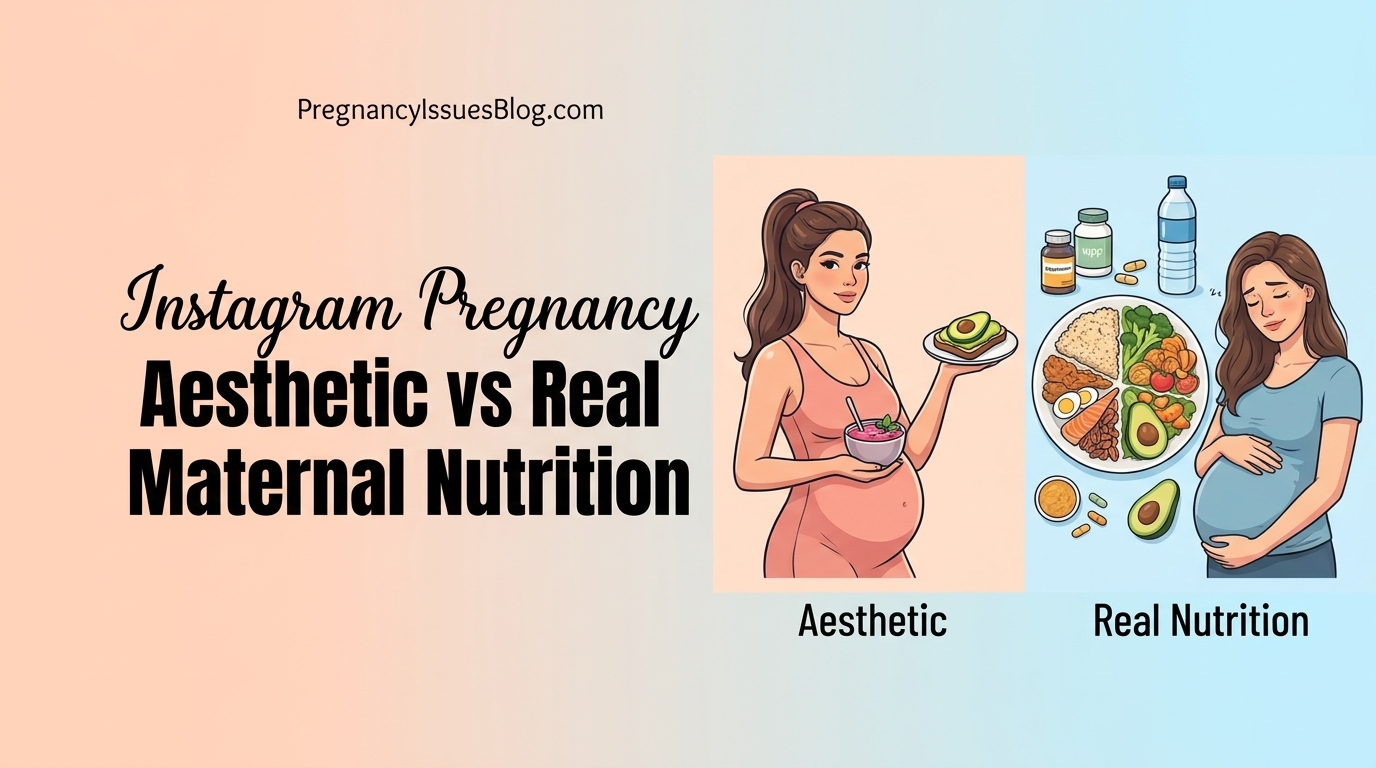
TikTok and Instagram have become primary sources of information because they provide something a clinical paper cannot: Visual Relatability.
Seeing an “influencer” mom make a high-protein smoothie in a beautiful kitchen feels more achievable than reading a dry chart about amino acids.
However, the danger lies in the lack of regulation.
An influencer might have a million followers but zero medical credentials, leading many women to adopt restrictive or unnecessary diets based on a “vibe” rather than a fact.
3. The Power of the Pregnancy App
For many, the “Pregnancy Tracker” is the most consistent voice in their journey.
These apps send daily notifications like, “Your baby is the size of a lemon! Here’s why you need more Vitamin C today.”
Because these apps are integrated into a mother’s daily routine, they often carry more weight than the advice given once a month at the clinic.
They bridge the gap between “clinical” and “practical,” though the quality of the advice depends heavily on the app’s internal editorial standards.
4. The “Mom Group” and Generational Wisdom
Before the internet, there was the “Village.”
This source is still incredibly potent.
If a woman’s mother, aunt, or best friend tells her that “eating spicy food will make the baby have too much hair,” she is more likely to believe it or at least be influenced by it than a peer-reviewed study.
We trust people who have “been there.”
This cultural and family wisdom provides emotional comfort, but it is often the source of the most persistent pregnancy myths (like the idea that you should “eat for two” or avoid all seafood).
5. Vetting the Noise: How to Find the Truth
With so many voices in the room, how does a pregnant woman stay grounded?
The key is learning to distinguish between anecdote and evidence.
| Source Type | Strength | Weakness |
| Medical Doctor/RD | High Accuracy; Personalized. | Limited time; hard to access. |
| Pregnancy Apps | Convenient; Daily reminders. | Can be “one-size-fits-all.” |
| Social Media | Relatable; Aesthetic. | Often unregulated; high risk of myths. |
| Family/Friends | High Emotional Trust. | Frequently outdated; biased. |
Conclusion
The “Information Age” has empowered pregnant women to take charge of their health, but it has also increased the “mental load” of sorting through contradictory advice.
The most successful nutritional strategy is one that uses the doctor’s office as the foundation, while using digital and communal sources as the scaffolding, all while maintaining a healthy dose of skepticism for anything that promises a “perfect” pregnancy in a 60-second clip.