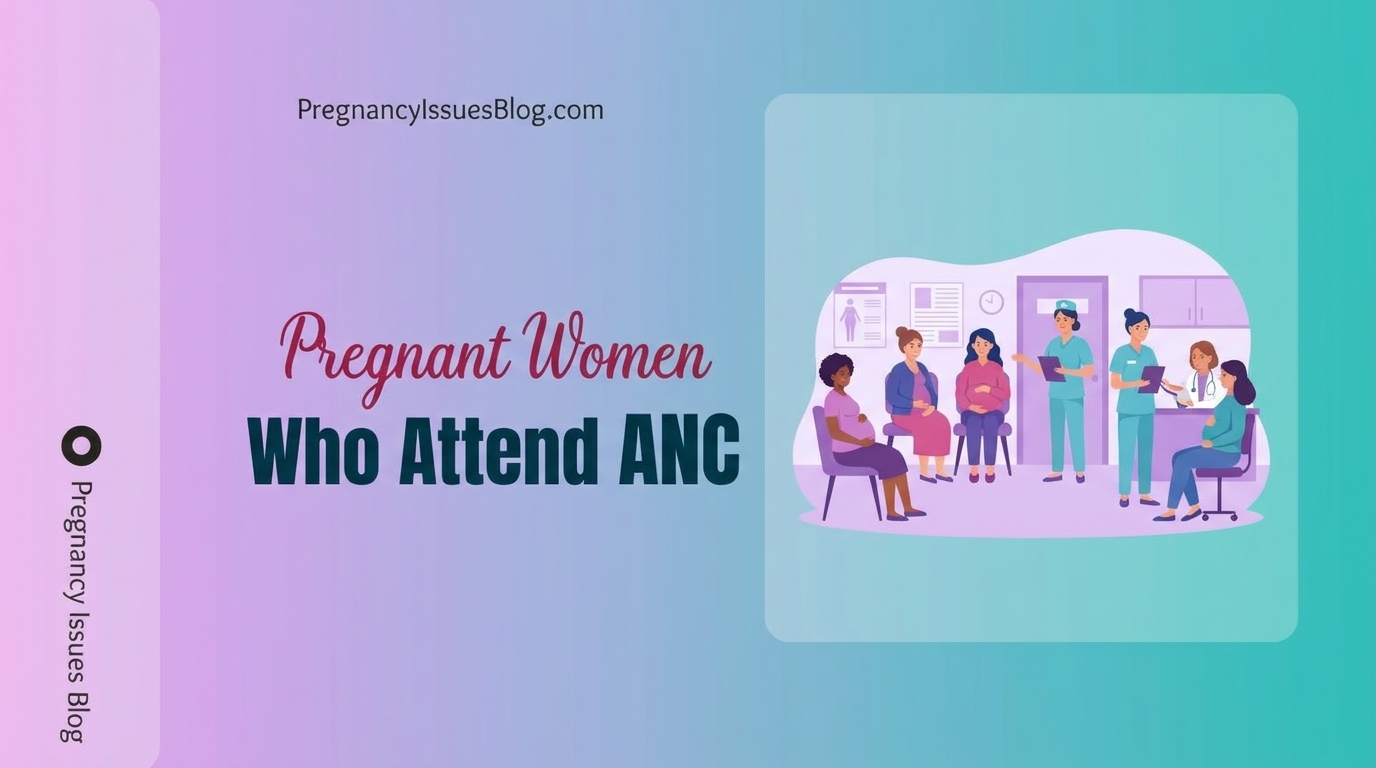
Antenatal Care (ANC) is often viewed as a series of “check-ups” to make sure the baby has a heartbeat and the mother’s blood pressure is stable.
While those are vital, research consistently shows that ANC serves a much broader purpose: it acts as a nutritional intervention.
Studies globally indicate a strong correlation between the number of ANC visits and the quality of a woman’s diet.
It turns out that the more often a woman walks through the clinic doors, the more likely she is to put the right things on her plate.
Here is why frequent ANC attendance is the secret weapon for better pregnancy nutrition.
Table of Contents
ToggleWhy Pregnant Women Who Attend ANC More Frequently Tend to Eat Better
In many parts of the world, a woman might only attend one or two Antenatal Care (ANC) visits during her entire pregnancy.
However, the World Health Organization (WHO) now recommends a minimum of eight contacts.
Why the increase?
Because research shows that every time a pregnant woman interacts with a healthcare provider, her nutritional status tends to tick upward.
It isn’t just about the medical tests; it’s about the environment of care that surrounds those tests.
1. The Power of Repeated Education
Nutritional advice is rarely absorbed in a single sitting, especially during the “fog” of the first trimester.
Research shows that women who attend ANC frequently benefit from repeated exposure to health messages.
Healthcare providers use these visits to reinforce the importance of diverse diets.
A woman might hear about iron in week 12, folate in week 20, and the importance of healthy fats in week 30.
This “drip-feed” of information prevents overwhelm and allows the mother to implement small, manageable changes over time rather than trying to overhaul her entire diet in one day.
2. The Accountability Factor (The Hawthorne Effect)
There is a psychological phenomenon known as the Hawthorne Effect, where individuals modify their behavior because they know they are being observed.
In the context of pregnancy, regular ANC visits provide a sense of accountability.
When a woman knows her weight will be checked and her blood will be tested for iron levels at her next appointment, she is subconsciously nudged toward better choices.
The clinic becomes a “safety net” that keeps her goals front and center.
It’s much harder to ignore your nutritional needs when you have a scheduled date to discuss your progress with a professional.
3. Bridging the Gap with Supplements
For many women, especially in low-resource settings, ANC is the primary source of essential micronutrients.
Clinics often provide Iron and Folic Acid (IFA) tablets and calcium supplements for free or at a subsidized cost.
Research Insight: Studies in sub-Saharan Africa and Southeast Asia have shown that women with four or more ANC visits have significantly higher adherence to iron supplements compared to those with fewer visits. The frequent touchpoints allow providers to address side effects (like nausea or constipation) that might otherwise cause a woman to stop taking her vitamins.
4. Tailored Counseling Through Screening
General nutrition advice is good, but personalized advice is better.
Frequent ANC allows for continuous screening.
If a mid-pregnancy blood test shows a dip in hemoglobin, the provider can immediately pivot the conversation to iron-rich foods.
| ANC Visit Frequency | Typical Nutritional Outcome |
| 1-2 Visits | Basic awareness; lower supplement adherence. |
| 4-5 Visits | Improved dietary diversity; steady weight gain monitoring. |
| 8+ Visits | High health literacy; early correction of deficiencies; optimal birth weight outcomes. |
5. The Waiting Room Effect: Peer Support
We often overlook what happens before the appointment.
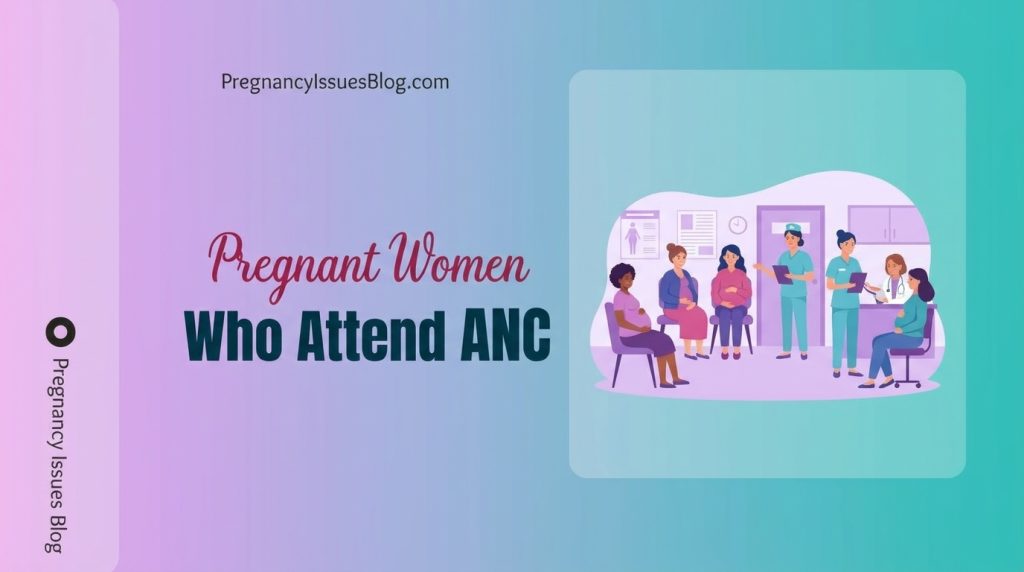
The waiting room of an ANC clinic is a hub of social learning.
Pregnant women talk to each other.
They share tips on managing morning sickness, discuss what they are eating, and normalize the challenges of pregnancy.
This informal peer support, combined with the professional guidance of the staff, creates a “culture of health” that encourages better eating habits.
Conclusion
The research is clear: frequent ANC isn’t just a clinical necessity; it’s a nutritional lifeline.
Each visit serves to educate, motivate, and provide the physical tools (supplements) necessary for a healthy pregnancy.
If you want to eat better for your baby, the best first step isn’t just a trip to the grocery store, it’s keeping your next ANC appointment.