When you’re in the “Trying to Conceive” (TTC) phase, it’s easy to get hyper-focused on what you should be adding to your life: the prenatal vitamins, the Maca root, the temperature tracking apps.
But often, the most significant impact comes from what you decide to remove.
Think of your reproductive system as a highly sensitive internal ecosystem.
While the body is resilient, certain modern dietary staples act as “signal jammers,” confusing your hormones and creating an inflammatory environment.
Here are seven foods that might be stealthily sabotaging your fertility.
Table of Contents
Toggle1. Trans Fats (The Pro-Inflammatory Culprits)
If there is one food category to banish from your kitchen while TTC, it’s trans fats.
Found in many fried foods, commercial baked goods, and some margarines, these fats are directly linked to increased insulin resistance.
When your body becomes less sensitive to insulin, it pumps out more of it, which can interfere with ovulation.
Studies have shown that for every 2% increase in calories from trans fats instead of healthy monounsaturated fats, the risk of ovulatory infertility doubles.
2. High-Mercury Fish
Fish is generally a fertility superstar due to Omega-3s, but choose wisely.
Large predatory fish accumulate mercury, a heavy metal that acts as an endocrine disruptor.
High levels of mercury in your system can interfere with your cycle and even affect sperm quality in your partner.
-
Avoid: Swordfish, King Mackerel, Tilefish, and Shark.
-
Choose: Wild-caught salmon, sardines, and trout.
3. Refined Carbohydrates (The Insulin Spikers)
White bread, sugary cereals, and white pasta are stripped of their fiber.
When you eat them, your blood sugar spikes, followed by an insulin surge.
This chronic “spike and crash” cycle creates oxidative stress and can disrupt the delicate balance of Follicle-Stimulating Hormone (FSH) required for egg maturation.
4. Low-Fat Dairy: The Paradox
This is the one that surprises most people.
We’ve been conditioned to think “skim is better,” but for fertility, it’s the opposite.
Research from the Harvard Nurses’ Health Study found that women who ate low-fat dairy products had an increased risk of ovulatory infertility compared to those who ate full-fat versions.
The theory is that removing the fat also removes certain sex hormones, leaving an imbalance that can hinder ovulation.
5. Processed Meats
Bacon, deli meats, and hot dogs are often loaded with nitrates and saturated fats that promote systemic inflammation. Chronic inflammation is the enemy of implantation.
We’re now seeing more evidence that a high intake of processed meats is associated with lower egg yield during IVF and poorer sperm morphology in men.
6. Excessive Caffeine
You don’t have to quit your morning coffee, but you should definitely cap it.
Consuming more than 200 mg of caffeine per day (about one large 12-oz cup) has been linked to a slightly higher risk of miscarriage and longer times to conception.
Caffeine is a vasoconstrictor, which can potentially reduce blood flow to the uterus.
7. The “Dirty Dozen” Produce
Pesticides are designed to be “hormone disruptors” for bugs, but they don’t exactly ignore human hormones either.
Produce with high pesticide residues can interfere with the endocrine system.
The Fix: If you can’t buy everything organic, focus specifically on the “Dirty Dozen” (like strawberries, spinach, and kale) where the chemical load is highest.
The Fertility “Swap” Guide
| Avoid This | Swap For This | Why? |
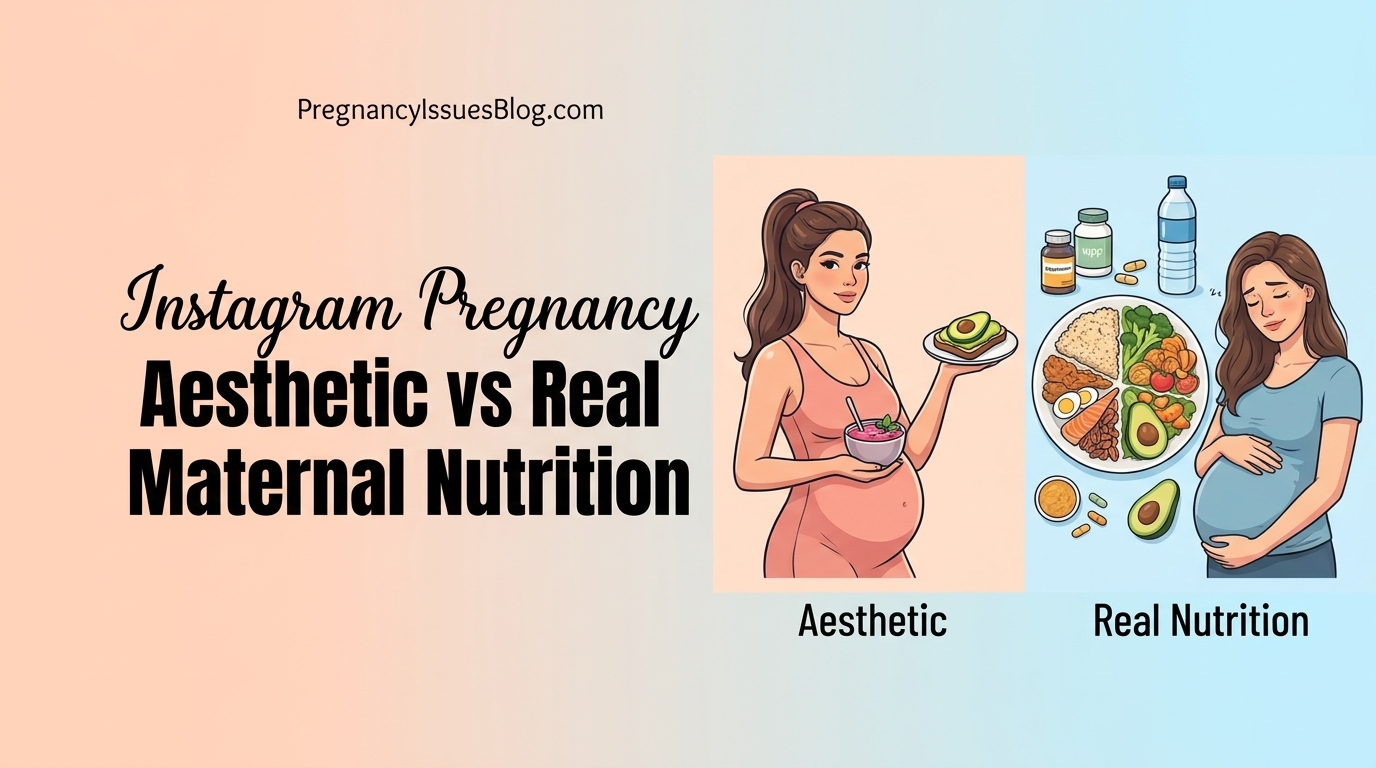
| Donuts/Fried Dough | Sourdough Toast with Avocado | Replaces trans fats with healthy monounsaturated fats. |
| Swordfish | Salmon or Sardines | Lowers mercury levels while boosting Omega-3s. |
| Skim Milk | Whole Milk or Full-Fat Yogurt | Supports healthy ovulation through hormonal balance. |
| White Rice | Quinoa or Farro | Stabilizes insulin and blood sugar levels. |
| Salami/Deli Meat | Roasted Chicken or Beans | Reduces nitrates and systemic inflammation. |
Conclusion
The goal of a fertility-friendly diet isn’t to live in a state of restriction, stress is also a hormone disruptor, after all! Instead, it’s about making mindful swaps.
By reducing these seven common offenders, you’re essentially “cleaning up the static” in your internal communication lines, allowing your hormones to do exactly what they were designed to do.