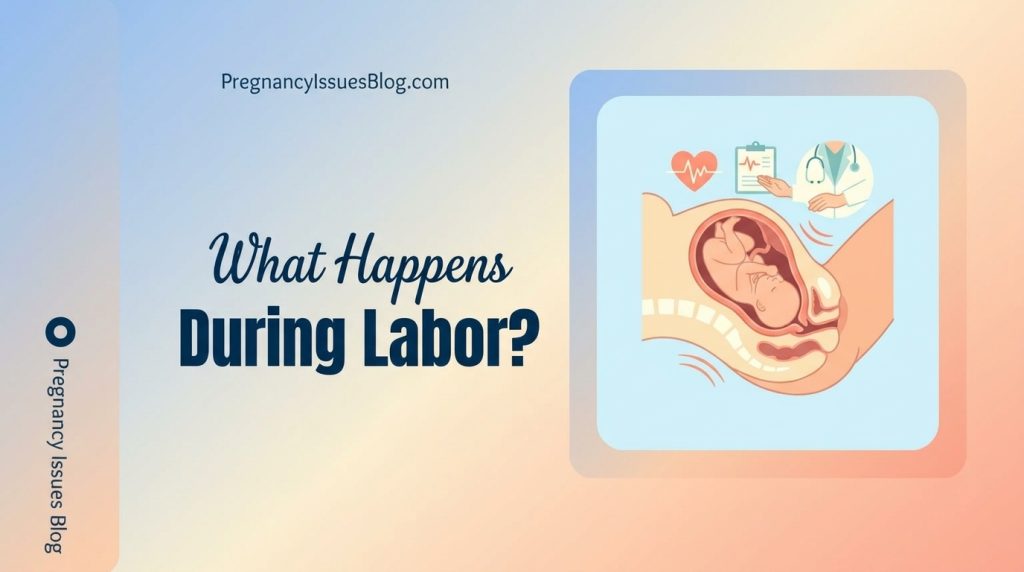
For many, the process of labor feels like a mysterious “black box”, something you enter as a pregnant person and exit as a parent, with a lot of intense work in between.
With recent high-tech monitoring and 3D ultrasounds, the biological blueprint of birth hasn’t changed.
Understanding the mechanics of labor doesn’t just demystify the experience; it actually helps lower your Adrenaline levels.
When you know what is happening to your body, you are less likely to fight the process and more likely to flow with it.
Here is your step-by-step breakdown of the most athletic event of your life.
Table of Contents
ToggleStage 1: The Opening (Dilation)
This is the longest part of labor.
Its primary job is to thin out (efface) and open (dilate) your cervix from 0 cm to a full 10 cm.
Early Labor
In the beginning, contractions feel like mild menstrual cramps or a dull backache.
They are usually irregular and can last for hours or even days.
Recently, “laboring at home” has been encouraged during this phase to keep your stress hormones low.
The Goal: Stay hydrated, eat light snacks, and rest as much as possible.
Active Labor
This is usually when you head to the hospital or birth center.
Your cervix is dilating from approximately 6 cm to 8 cm.
Contractions are now longer, stronger, and closer together.
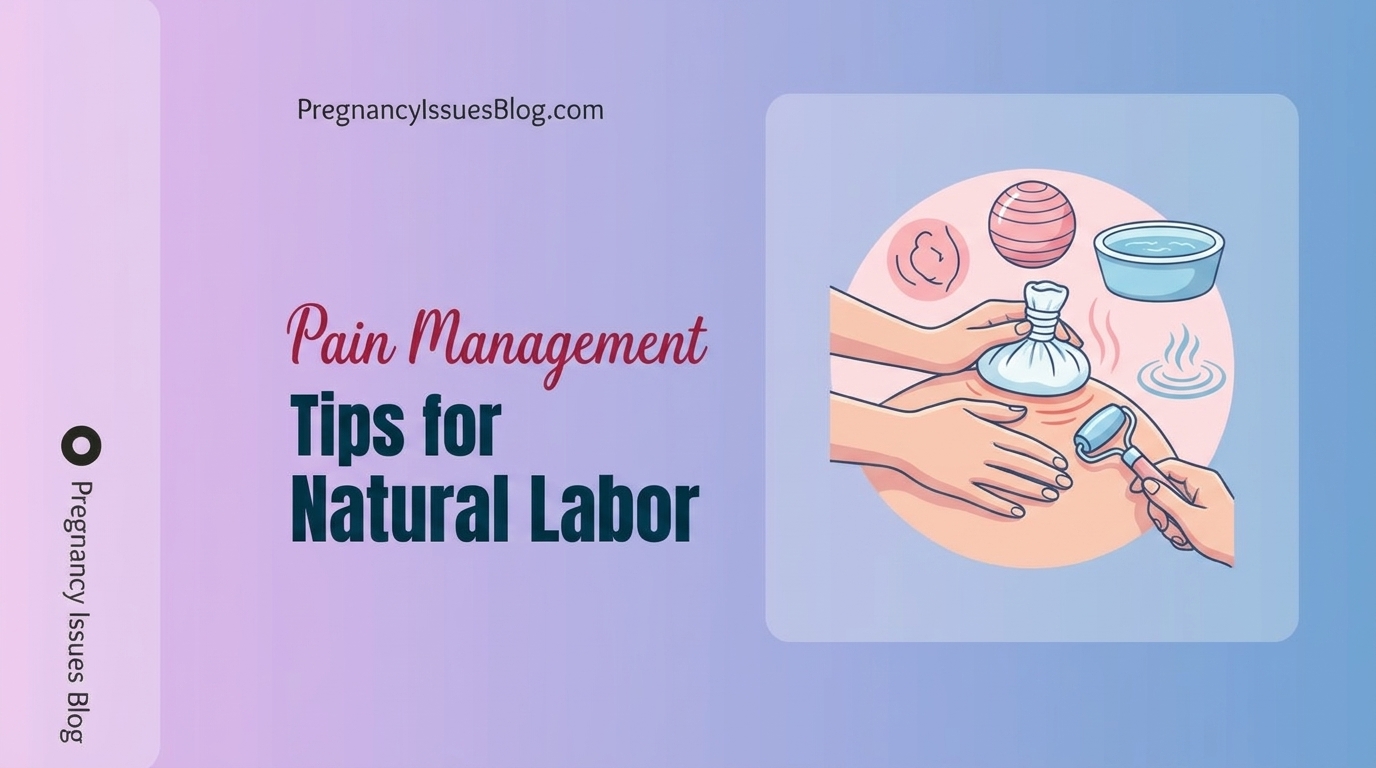
This is where your breathing techniques and pain management choices (like an epidural or hydrotherapy) come into play.
Transition
This is the most intense phase, but also the shortest.
Your cervix goes from 8 cm to 10 cm.
You might feel shaky, nauseated, or like you “can’t do this anymore.”
In the birth world, we call this the “threshold”; it’s the sign that you are almost ready to push.
Stage 2: The Pushing Phase
Your cervix is now fully dilated (10 cm).
The pressure shifts from your abdomen to your rectum, it feels like an overwhelming urge to have a massive bowel movement.
-
The Descent: The baby moves down the birth canal. This can take anywhere from a few minutes to three hours.
-
Crowning: The widest part of the baby’s head becomes visible. You’ll feel a “ring of fire” or intense stretching sensation.
-
The Birth: With a few final pushes, the head, shoulders, and body emerge. This is the moment you’ve been waiting for!
Stage 3: Delivery of the Placenta
You might think you’re done, but there is one more small step.
A few minutes after the baby is born, your uterus will continue to contract mildly to detach the placenta from the uterine wall.
-
The Process: Usually, one or two gentle pushes are all it takes to deliver the placenta. Your provider will check it to ensure it is intact and that no fragments are left behind.
The “Fourth Stage”: Immediate Recovery
The hour immediately following birth is often called the “Golden Hour.” This is a critical time for:
-
Skin-to-Skin Contact: Helps regulate the baby’s temperature and heart rate.
-
Hormonal Shift: Your body experiences a massive surge of Oxytocin (the “love hormone”), which helps the uterus contract down and prevents excessive bleeding.
-
The First Feed: Whether breastfeeding or bottle-feeding, this is a prime time for bonding.
Labor at a Glance
| Stage | What’s Happening | Average Duration |
| Stage 1: Early | Cervix opens 0-6cm | 6-12+ hours |
| Stage 1: Active | Cervix opens 6-8 cm | 3-6 hours |
| Stage 1: Transition | Cervix opens 8-10 cm | 30-90 minutes |
| Stage 2: Pushing | Baby moves through birth canal | 20 mins to 3 hours |
| Stage 3: Placenta | Delivery of the afterbirth | 5-30 minutes |
Conclusion
Labor is a series of waves.
Each contraction is not just a moment of pain, but a functional movement of your muscles bringing you closer to meeting your baby.
By understanding the steps, you can move from a place of fear to a place of focus.
You were built for this journey mama.