The idea of a “Birth Plan” often conjures up images of a ten-page manifesto that the hospital staff will promptly ignore.
But we’ve now moved toward a more functional approach.
Instead of a rigid script, think of your birth plan as a Communication Tool, a way to ensure your medical team understands your values before you’re in the middle of a 10 cm dilation.
The reality is that labor is unpredictable.
To quote the old saying, “No plan survives first contact with the baby.”
However, having a clear set of preferences helps you feel empowered and informed, even if the journey takes a detour.
Table of Contents
Toggle1. Why “Preferences” Over “Plan”
The most important shift you can make is in the title.
Labeling your document “Birth Preferences” signals to your doctors and midwives that you understand labor is a dynamic process.
It creates a collaborative atmosphere rather than a confrontational one.
Mathematically, if we consider P(Change) as the probability of your labor deviating from the expected path, we can safely assume:
Accepting this “100% chance of change” doesn’t mean you shouldn’t have a plan; it means your plan should be built to pivot.
2. Setting the Atmosphere
Your environment directly impacts your stress levels, which in turn impacts your Oxytocin levels, the hormone that drives labor.
-
Lighting: Do you prefer dimmed lights or natural light?
-
Sound: Do you have a specific playlist, or do you require a silent room?
-
Photography: Who is allowed to take photos, and when?
-
Clothing: Do you want to wear the hospital gown, or did you bring your own “birth outfit”?
3. Pain Management & Interventions
This is usually the “meat” of the document. Be specific about your threshold.
-
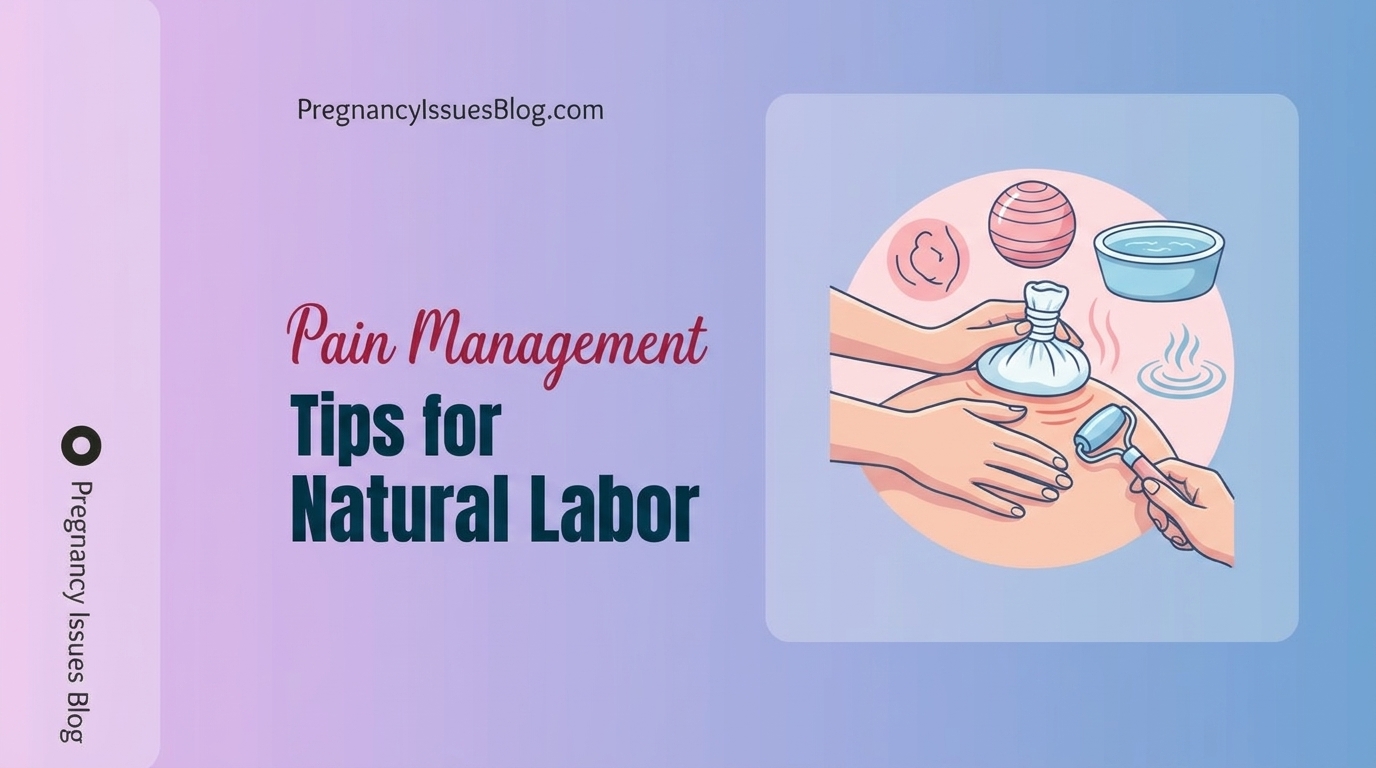
Pain Management: Do you want to be offered an epidural the moment you walk in, or do you want the staff to wait until you ask for it?
-
Movement: Do you want to be encouraged to use a birth ball, a peanut ball, or the shower?
-
Monitoring: Do you prefer intermittent monitoring (if safe) so you can remain mobile, or are you comfortable with continuous monitoring?
-
IV Access: Are you okay with a “saline lock” (a port without the tube) for mobility, or do you prefer a full IV drip from the start?
4. The “Golden Hour” (Post-Birth)
The first 60 minutes after birth are critical for bonding and stabilization.
-
Skin-to-Skin: Do you want immediate skin-to-skin contact, even if a C-section occurs?
-
Cord Clamping: Are you requesting “Delayed Cord Clamping” to allow extra blood to transition to the baby?
-
Feeding: Is your goal exclusive breastfeeding, or are you open to supplementation if medically necessary?
5. The One-Page Rule
Medical teams are busy. A nurse who has just walked onto a shift does not have time to read a thesis. To make your plan effective:
-
Use Bullet Points: No long paragraphs.
-
Highlight Non-Negotiables: Use Bold for your top 3 most important items.
-
Include Names: Make sure your partner’s name and your support person’s role are at the top.
The Quick-Reference Preferences Matrix
| Category | Option A (Low Intervention) | Option B (High Support) |
| Pain | Natural techniques, hydrotherapy | Early Epidural, Nitrous Oxide |
| Movement | Freedom to walk/squat | Seated or bed-based monitoring |
| Newborn | Delayed cord clamping, immediate skin-to-skin | Quick cleaning, partner holds first |
| C-Section | “Gentle” C-section, clear drape | Traditional surgical protocols |
Conclusion
A birth plan matters because it forces you to research your options before the “heat of the moment.”
It ensures that your voice is heard even when you are focused on the intense work of labor.
By keeping it simple, flexible, and focused on the “Big Three,” you’re setting yourself up for a birth experience where you feel like a participant, not just a patient.