Pregnancy is divided into three trimesters, and each has its own set of milestones, other than challenges and moments so exciting.
In general, the first trimester is one of the most important in pregnancy.
So just how long is the first trimester, and what happens during this initial phase?
For anyone who is pregnant for the first time or planning ahead to be, this post goes through your pregnancy journey stage by stage, so you know what to expect and things that need attention in a timely manner.
This article covers the entirety of the first trimester, how long it lasts, what happens during these early weeks, and exactly how you will both feel as your pregnancy progresses.
Table of Contents
Toggle1. What is the First Trimester?
While the first trimester marks the start of your pregnancy, it is a period in which both you and your developing fetus will undergo vast changes.
This stage can be exhausting, especially if it is your first time experiencing the physical and emotional changes.
The First Trimester
The first trimester encompasses the time between week 1 through week 13 of pregnancy.
It is usually based on the first day of a woman’s last period, although conception will occur about two weeks after this date, and that is when she then becomes pregnant.
What this means in practice is that your so-called “first trimester” includes two weeks when you’re technically not pregnant.
It can get confusing, but this standard is what healthcare providers use to give you the estimated due date and track your pregnancy.
Why was it Previously Described as the First Trimester?
Pregnancy is broken down into three trimesters, each one lasting about 3 months.
The first trimester is critical to the development of vital organs and systems in a baby, thereby defining its very existence within that pregnancy.
This first segment is then divided into three equal “trimesters” (tresmes-turs), because it accounts as one-third of the nine months that are traditionally used to divide pregnancy, which usually takes about 40 weeks in all.
2. What to Expect in the First Trimester?
The first trimester is calculated based on a 40-week pregnancy and should be around 13 weeks, but this week count varies depending on how you calculate the length of time.
Many doctors think of the end of the first trimester as 14 weeks, but most others think it is about 12 or somewhere around week 13.
Week 1–13 (The first Trimester) Calculation
Pregnancy is typically counted from the first day of your last menstrual period (LMP), which, by that logic, you are likely to be somewhere in the range of 4–6 weeks into pregnancy when you realize it.
Over the course of these first 13 weeks, a fertilized egg will go from being just one cell to actually becoming an embryo and then finally evolving into fetus territory while various fundamental organs and systems in the body develop.
The End of First Trimester?
The first trimester is considered to be 13 weeks from the date of your last menstrual period, e.g week 10 +1 day until you reach the end of 50 days.
At this stage, most early pregnancy symptoms like morning sickness should be disappearing, and the risk of miscarriage decreases greatly.
Or a few women even sail through this phase, but you may still find first-trimester symptoms sticking around as you step into the second stage of the pregnancy.
3. First Trimester Progress
The Baby: First Trimester Development
This chapter might seem completely unrelated to the mother, as it is all about what goes on with the baby during their time in the womb.
While it’s only the first three months, it’s certainly one of the very happening ones throughout the whole pregnancy.
Early Fetal Development
Your baby experiences this high growth period in the first trimester.
At four weeks, the fertilized egg has settled in the uterus and grown into an embryo.
The heart, brain, and spinal cord are among the major organs that start to form after just a couple of weeks.
Week 8: That little heart is now lightly beating, and you can see the eyes, ears, and nose on her pretty face.
At the end of three months, the fetus is fully formed, about 3 inches long, and all vital organs are present (and, rather, do work), but it is still in its developmental stages.
Maternal Changes
During the first trimester, pregnancy hormones flood your bodyrenching mama in steep hormonal turbulence.
Morning sickness, fatigue, frequent urination, and breast tenderness are common symptoms that many women face.
This is a normal symptom, however, and means your body was readying itself to help take care of that sweet little human inside you.
Hormones are also responsible for the emotional changes, so expect them to be moody and overly sensitive as well.
Milestones in the First Trimester
Key Prenatal Visits
Important things happen week by week in the first 3 months.
The neural tube, which is the part that forms into the brain and spine of your baby, begins to close by week 5.
The limb buds are formed, and the arms + legs form (around week 7).
Halfway through week 12, all of the major systems are formed and in place (although they will continue to develop throughout the duration of your pregnancy).
Symptoms During the First Three Months of Pregnancy
During the first trimester, mamas will have countless symptoms, some worse than others.
Knowing these symptoms will make you more prepared to face the first weeks of pregnancy.
Nausea and Early Morning Sickness
First day (or first trimester) morning sickness, although as the need arises.
The culprit is typically human chorionic gonadotropin (hCG), aka the pregnancy hormone.
Morning sickness, while a painful rite of passage for many pregnant women, usually subsides by the 2nd trimester.
Snacking on smaller meals and not eating strong-smelling foods might work to relieve nausea.
Fatigue and Sleepiness
Another normative symptom in the first trimester is a profound exhaustion.
Pretty soon, exercise may become a luxury you can’t afford, as your body is so busy making a nutritious home for baby that even the thought of hauling yourself off the sofa leaves you drained.
Rest as much as you can and make sure to sleep, especially in the early weeks, as you will be exhausted.
4. Breast Tenderness and Other Physical Effects
Just a few weeks into pregnancy, much of the breast tenderness will already have set in.
This is because your hormones are getting ready for you to breastfeed.
Other body changes: You may start to experience some bloating, and you might find yourself craving certain foods or turning up your nose at others; most women do when pregnant.
Your first official food binge; if that also happened a few weeks back…
Listen, I like cake just as much as anyone else, but lately my appetite is less for quantity of anything….
And while it’s possible they’re related to other things (like nerves from increased urination), the more likely explanation in pregnancy concerns is that everything happens during weekend days.
Emotional Changes
However, these mood swings are more common because not only your body but also your emotions change a lot in the first trimester.
Mood swings, anxiety, and even tearfulness can be linked to hormonal shifts.
Try to be patient with yourself at this time as well; now is the one moment when it’s okay not to feel up to making the sick someone laugh.
OB Appointment and Tests (1st Trimester)
This is the first three months of pregnancy, and during this time, monitoring the health of both mother and infant is equally important.
Your physician can guide you through the testing and screening that must be completed to confirm everything is going as planned.
The First Prenatal Visit
The first official prenatal appointment usually occurs at week 6–8.
In this visit, your doctor will verify that you are pregnant (a positive urine or blood pregnancy test), calculate how far along you are, as well as an estimate of when the baby is due and do a physical exam.
It also provides an occasion to raise questions or discuss your worries.
First Trimester Ultrasounds
The first ultrasound is usually done at about 8 weeks to verify the pregnancy and see if there’s a fetal heartbeat.
If the baby is not growing or developing properly, your doctor may order more ultrasounds.
An early scan also confirms the gestational age of your baby.
Most Common Prenatal Screenings And Blood Tests
In your initial trimester, on the other hand, you will probably experience various tests and screenings that can include blood tests to check things like the type of blood, in addition to Rh factor plus any contaminations.
The number of screens that may be done (for Down syndrome or other chromosomal abnormalities, for example) depends on your age and risk factors.
First Trimester Lifestyle Modifications
Caring for yourself during your first trimester is very important, as it impacts not only you but also in the formation of the baby.
There are a few lifestyle changes which one can make to have a healthy pregnancy:
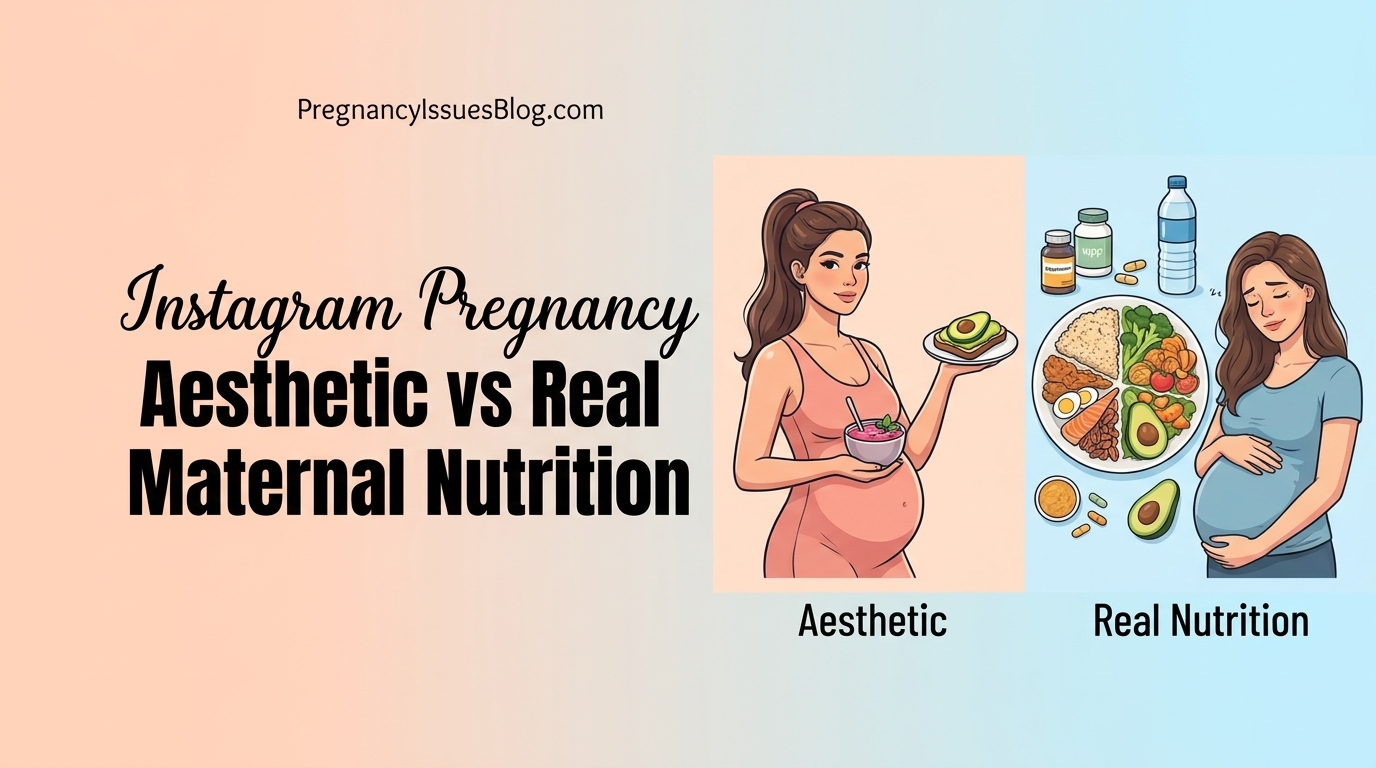
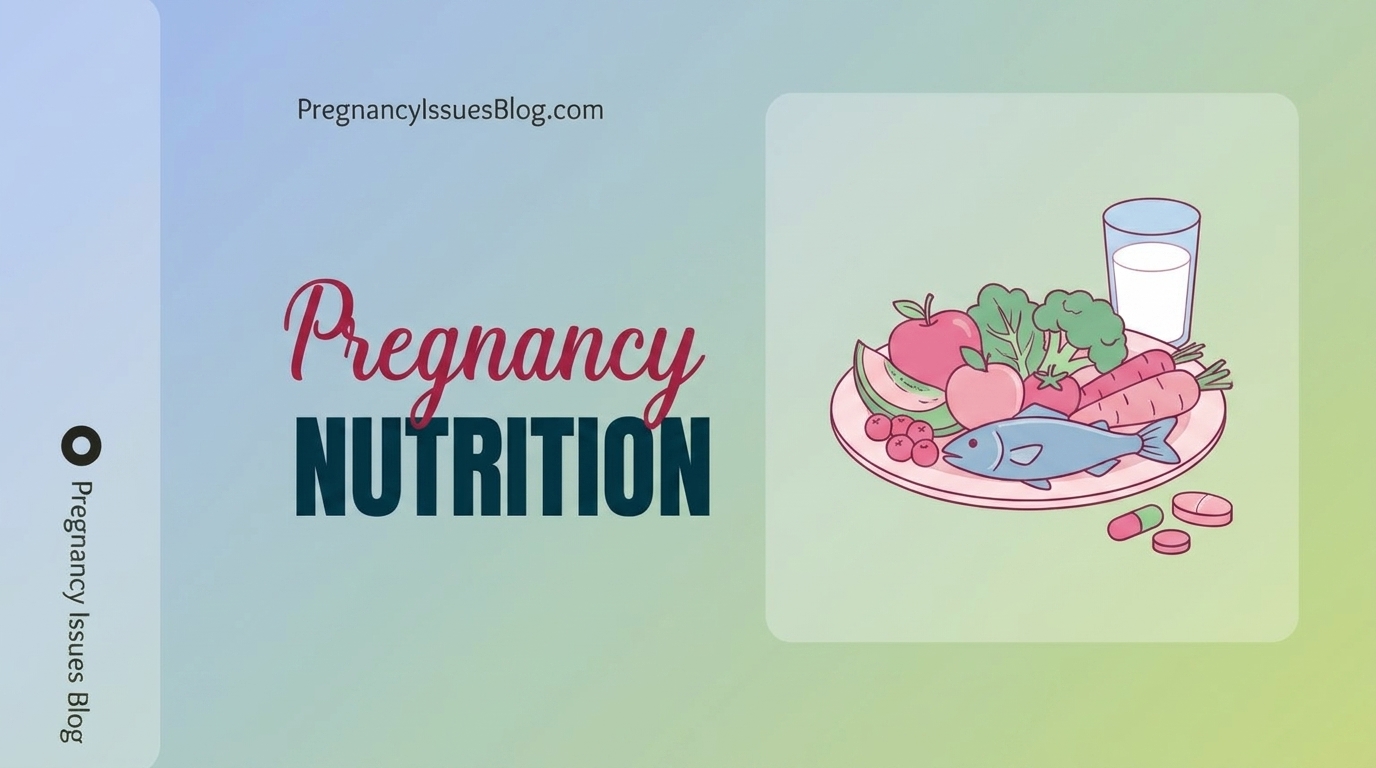
Nutrition and Diet
Pregnancy is when your body demands more nutrition.
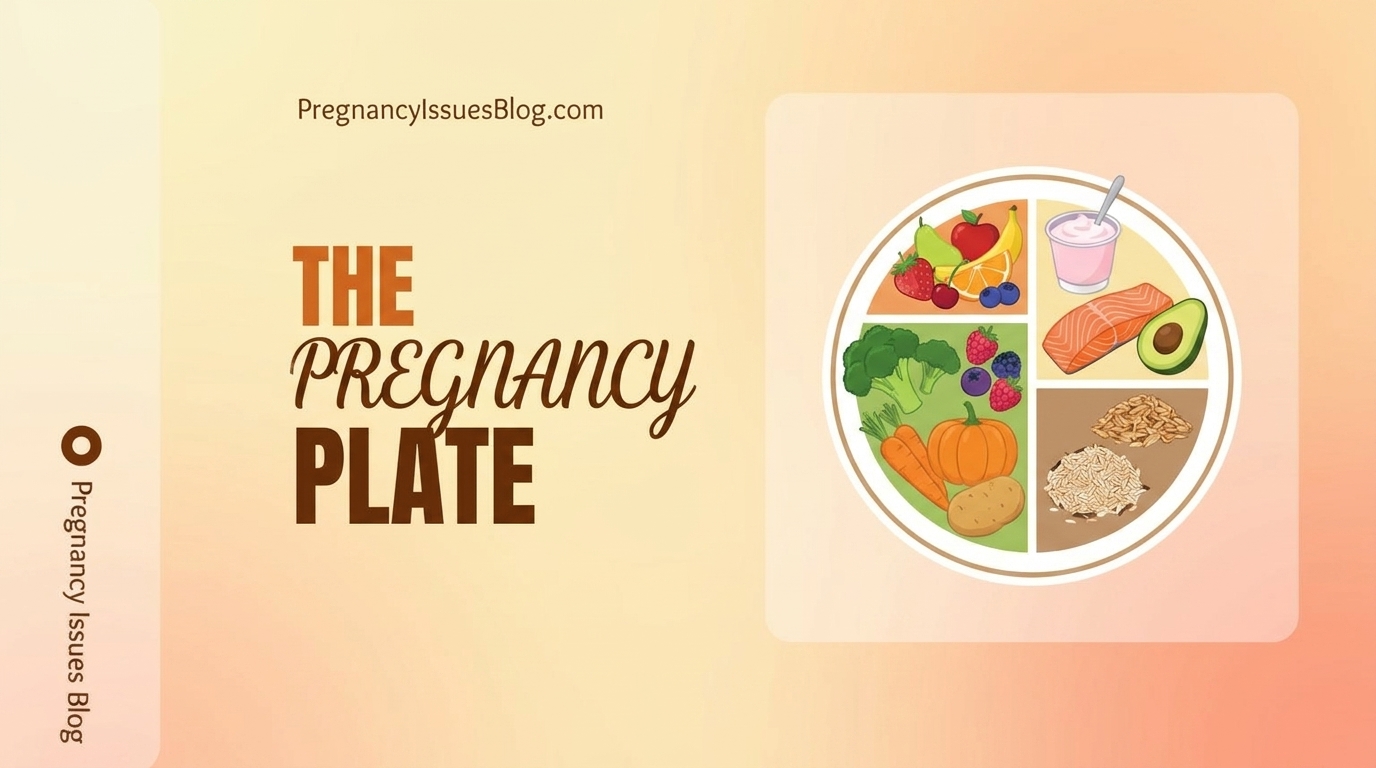
Consume a healthy, well-rounded diet full of fruits and vegetables, whole grains, and lean proteins.
Prenatal vitamins, especially folate (folic acid), which can help prevent neural tube defects in a developing fetus.
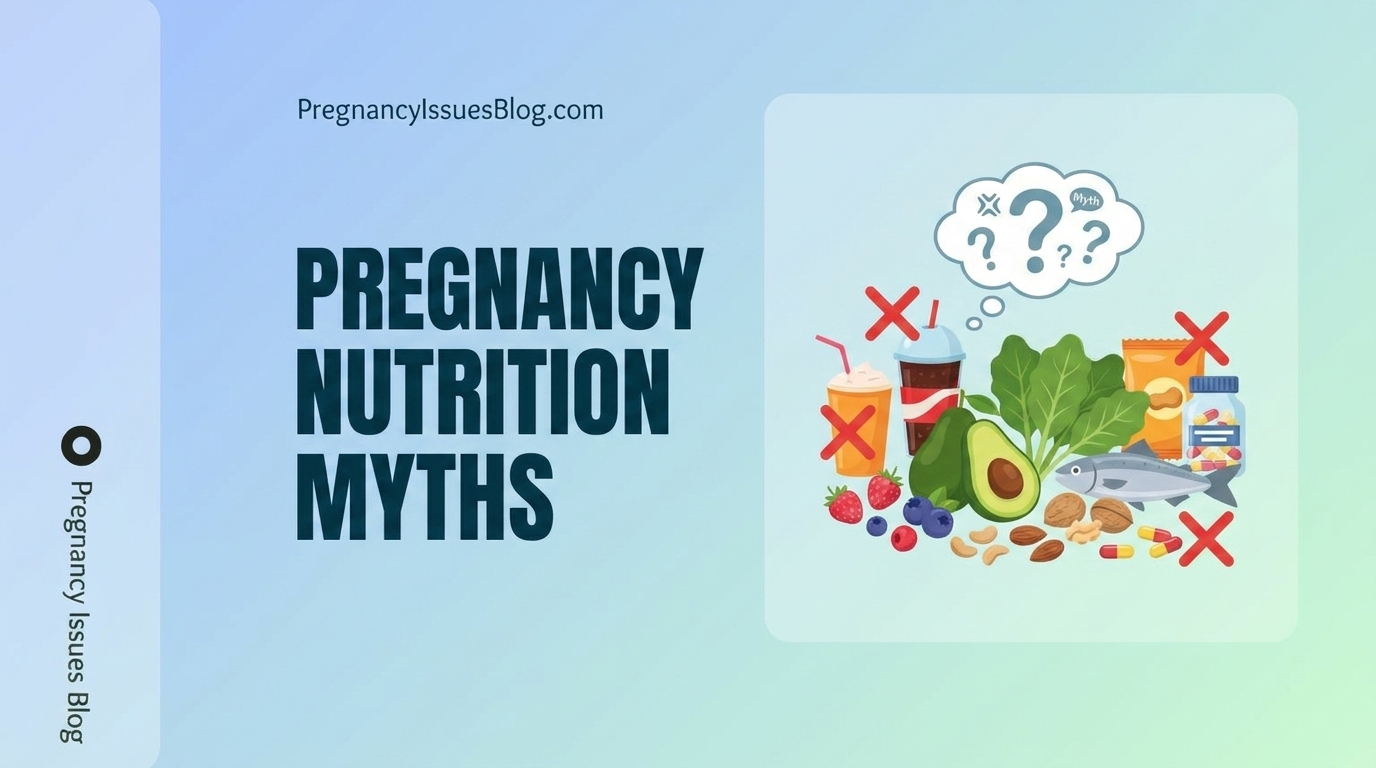
Do not eat undercooked or raw meat, unpasteurized dairy products, and certain types of fish that can contain mercury.
Physical Exercise and Activity Levels
Exercise is usually considered safe in the first trimester, although you may have to modify some exercises as your body adapts.
To stay fit, try activities like walking, prenatal swim, and yoga that are low-key.
As always, check with your doctor before beginning any new exercise program.
All Hating What is Harmful
To lessen the chances of causing birth defects and other issues, a pregnant woman should NOT smoke cigarettes, consume alcohol, or use recreational drugs.
If you are taking medicine, ask your provider about using it during pregnancy.
As the First Trimester Ends
Other symptoms start to fade out as the first trimester ends, leading you to a temporary state of being where you are energetic.
Second Trimester repertoire
After week 13, morning sickness and fatigue often ease up, as a boost of energy kicks in for many women.
Second Trimester (Week 13–28): This one’s called the “golden trimester” because you’re usually in less discomfort and have a lower risk of complications, so it might be your moment to start getting ready for baby things or those prenatal classes!
Changes to Watch For
By the second trimester, you may see differences such as a baby bump (still quite small) and hopefully get excited to feel your little one moving within the upcoming weeks.
As your uterus starts to move upward and out of the pelvis, this may ease some of the pressure, making you use bidet restroom more often, but it can also bring on other symptoms such as backache because once again, quite literally – The Motherload is about to rise!
Complications in Early Pregnancy
What the first trimester of pregnancy should be like for most pregnancies, and an awareness of things to watch out for, questions can help guide you on how best to proceed in that regard.
- Miscarriage Risk
The first trimester is the most likely time for a miscarriage, with estimates of 10-20% (in one study) or as high as 35% overall.
But the good news is that 61.3 percent of women do have a live birth after IVF at this point in treatment. Keep in mind that light bleeding or cramping is not a sign of miscarriage.
- Ectopic Pregnancy
One example of this is an ectopic pregnancy, when a fertilized egg implants somewhere other than the uterus (usually in the fallopian tube).
It is a life-threatening condition that requires immediate medical care. Signs could be intense stomach pains, dizziness, or abnormal bleeding.
Management of the problems in the first trimester
If you have any blood loss for which you need to change the pad/tampon too frequently, severe cramping, or dizziness that does not go away with rest and water, see a doctor.
The healthcare professional is best suited to assess the situation and guide you on what action should be taken.
First Trimester Emotional and Psychological
The first trimester is the beginning of your emotional pregnancy journey with all those ups and downs, excitement, and anxious mood.
It is really important that you get a hold of these emotions and learn to manage them from here on out.
General Tips to combat stress and anxiety
The more pregnant you get, the hotter than hot pregnancy gets.
It’s only natural to feel wiggly about what changes may be happening inside your body and how nail-biting it will be once these babes are on this side of life alongside pics, followed shortly by toddlerration responsibilities.
Deep breathing or mindfulness are some examples of relaxation practices and are helpful in anxiety management.
Building a Support System
Having a good enough support system can really help you cope with this first trimester.
Stay connected to a partner, family member, or friends who can provide some support and sympathetic ears.
Lay it all out with someone you trust. You will likely find yourself feeling a whirlwind of emotions, and talking about them can seriously help.
Seeking Help When Needed
When you are unbalanced or depressed, reach out and get help because they can also save your life.
For those of you struggling with the emotional side effects, therapy or counseling can be a great way to learn some really wonderful tools for getting through pregnancy.
Moving into the Second Trimester
After you have passed your first trimester, it is a reasonable moment to begin thinking about how best to proceed throughout the remainder of being pregnant.
During the second trimester, it is typically a time of comfort and excitement because most women have experienced relief from symptoms associated with early pregnancy.
Continuing Prenatal Care
During the second trimester, keep up with your prenatal appointments to help ensure you and your baby are doing well.
Following up with these visits is important to monitor progress and make sure you are both doing well.
Conclusion: Stepping Through the First Trimester (full of Glory)
The first trimester is a time of immense transformation and breakthroughs.
An idea of what to actually expect of these first few weeks and a timeline can help you understand and traverse the next steps in your early pregnancy.
This stage may be even scarier, but it paves the road for a smooth and wholesome pregnancy journey.
FAQs
- When we talk about the first trimester, how many weeks are included?
The first trimester (months one through three) [weeks 1-13] begins with the first day of your last menstrual period, only to end about 12 or thirteen weeks into pregnancy.
- What should I not be doing in the 1st trimester?
You should refrain from smoking, alcohol, certain medications, and foods (unpasteurized dairy or raw seafood). Never have a full list; always ask your doctor.
- Is the First Trimester Safe for Exercise?
Exercising during the first trimester is generally safe, but you should consult your healthcare provider to check whether everything is working fine for you. This guide here can help you.
- When do I have my first prenatal appointment?
You can expect to see an OB or midwife for your first prenatal appointment at about 8 weeks pregnant, though some docs will ask you to come in earlier based on family history.
- If you have recently become pregnant, how often do miscarriages occur in the first trimester?
The risk of miscarriage peaks in the first trimester, and rates suggest 10 to 20% of known pregnancies end as a loss. But most women go on to have healthy pregnancies after the first trimester.