For years, the medical community has viewed social media as a persistent headache, a “Wild West” of misinformation where viral trends and unverified “wellness gurus” undermine clinical advice.
Doctors often find themselves spending half of a fifteen-minute prenatal appointment debunking a thirty-second TikTok video.
However, as we move through this year, it’s time for a perspective shift.
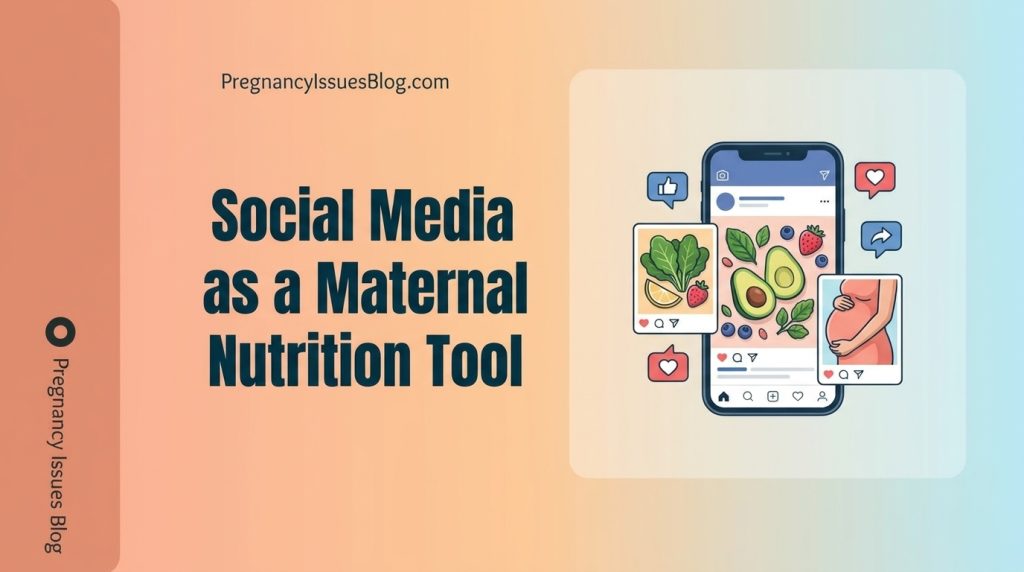
Social media isn’t just a source of confusion; it is the most powerful, underutilized maternal nutrition tool in the modern healthcare arsenal.
If health professionals want to improve outcomes, they have to stop fighting the algorithm and start inhabiting it.
Table of Contents
ToggleWhy Health Professionals Need to Take Social Media Seriously as a Maternal Nutrition Tool
If you ask the average Obstetrician or Registered Dietitian about social media, you’ll likely get a heavy sigh.
They see it as a place where “liver cleanses” and “seed oil phobias” go to thrive.
But dismissing these platforms is a missed opportunity of massive proportions.
Social media is no longer just for sharing ultrasound photos; it is the primary search engine for the modern pregnant woman.
If health professionals aren’t providing the answers, the algorithm will find someone else who will, and they likely won’t have the credentials to back it up.
The Myth of the “Sufficient” Appointment
The standard model of prenatal care relies on a series of brief, punctuated appointments.
In these fifteen minutes, a provider must check vitals, screen for complications, and, somewhere in the margins, give nutrition advice.
The problem?
Pregnancy hunger and anxiety don’t happen on a schedule.
A woman doesn’t need to know about iron-rich foods only during her week-24 checkup; she needs to know what to cook for dinner tonight when she’s exhausted and nauseous.
Social media allows professionals to provide “micro-interventions”, small, digestible pieces of advice that meet patients exactly where they are, when they need it.
Bridging the “Empathy Gap”
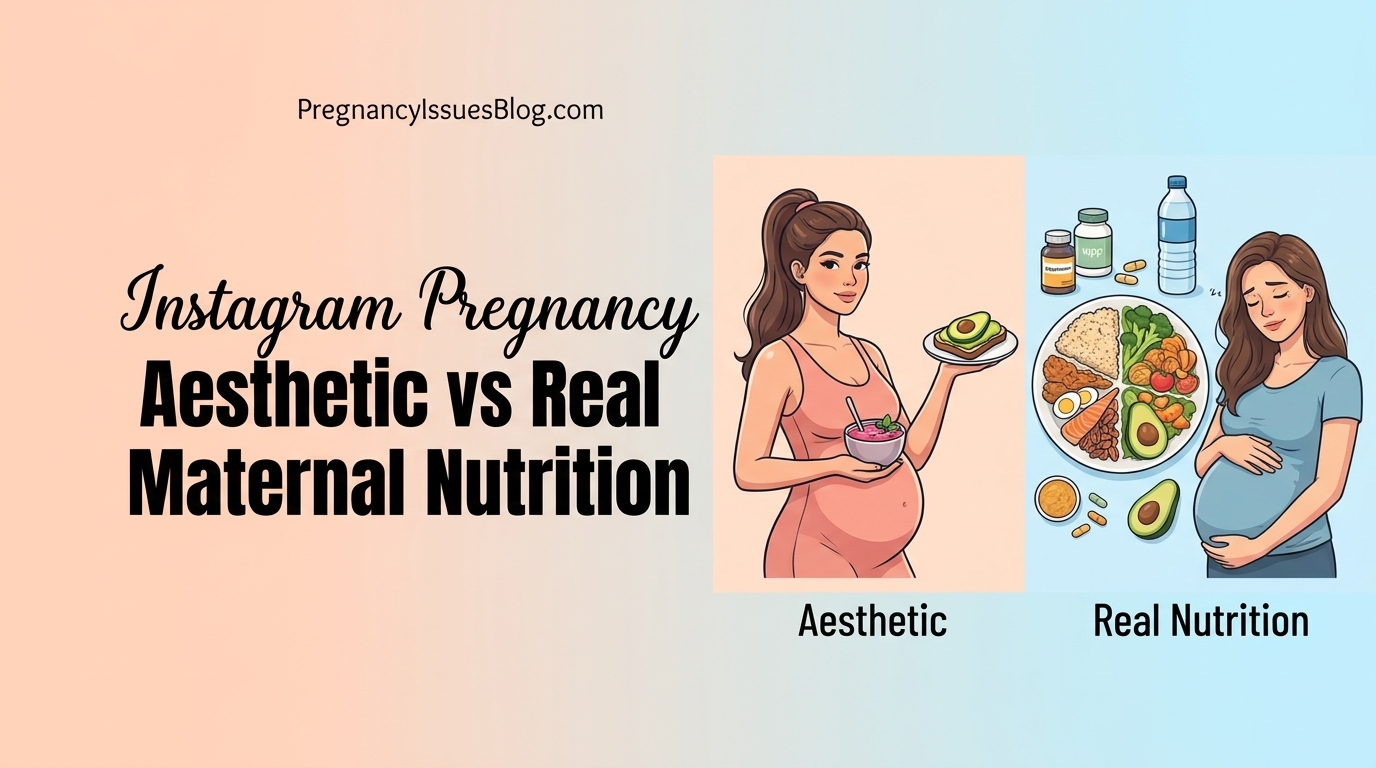
One reason “wellness influencers” are so successful is that they lead with empathy and aesthetics.
They show the “how-to” of healthy eating in a way that feels achievable and aspirational.
Clinical advice, while accurate, often feels cold and restrictive.
By using social media, health professionals can “humanize” the science.
When a Registered Dietitian shares a video of themselves prepping a budget-friendly lunch or discusses their own struggles with pregnancy heartburn, it builds a bridge of trust.
Patients are far more likely to follow the advice of someone they perceive as a “guide” rather than just a “gatekeeper.”
Fighting Fire with Fire
Misinformation thrives in a vacuum.
When a dangerous nutritional trend goes viral on TikTok, it takes weeks for official medical journals to respond. By that time, the damage is done.
Health professionals on social media act as a rapid-response team.
They can address myths in real-time, using the same platforms and formats that the misinformation used to spread.
A sixty-second “Stitch” or “Remix” video debunking a dangerous herbal tea can reach more people in an afternoon than a public health bulletin will reach in a year.
Scaling Health Equity
Traditional health education materials often require a high level of literacy and are frequently culturally generic.
Social media allows for a more inclusive approach.
Through short videos, infographics, and diverse creators, maternal nutrition advice can be tailored to different languages, cultures, and income levels.
A doctor might not have the time to explain how to adapt a traditional diet for gestational diabetes in the office, but a community-focused social media page can provide that specific, culturally competent education to thousands of women simultaneously.
Conclusion
Social media is the “Digital Village” of this information age.
Health professionals who ignore it are effectively opting out of the most significant conversation happening in maternal health today.
By taking these platforms seriously, by showing up with evidence, empathy, and frequency, the medical community can transform social media from a source of misinformation into a powerful engine for maternal and fetal health.
Do you think health professionals should be “prescribing” specific social media accounts or creators to their patients during prenatal visits?