In a world of “miracle” teas and expensive supplements, it’s easy to roll your eyes when someone suggests that eating more spinach might be the key to a positive pregnancy test.
You’re likely wondering: Can a salad really overcome biology?
It is 2026, and the “Truth” is more nuanced than a simple yes or no.
While no diet can guarantee a pregnancy, and it certainly can’t fix structural issues like blocked Fallopian tubes, the science of nutritional fertility is robust.
Your plate is essentially a chemical instruction manual for your endocrine system.
Table of Contents
ToggleThe “66% Factor”: What the Data Says
The most significant evidence we have comes from the Harvard Nurses’ Health Study, which tracked over 18,000 women for eight years.
Researchers found that women who followed a specific “fertility diet” pattern had a 66% lower risk of ovulatory infertility and a 27% lower risk of infertility from other causes.
The “Truth” is that diet doesn’t work by magic; it works by reducing systemic inflammation and stabilizing the hormones that trigger ovulation.
The Biological Mechanism: Insulin is the Gatekeeper
Your ovaries are incredibly sensitive to insulin.
When you consume a diet high in refined sugars and “white” carbohydrates, your blood sugar spikes, forcing your body to pump out insulin.
High levels of insulin act as a “signal jammer” for Follicle-Stimulating Hormone (FSH).
When insulin is high, FSH can drop, leading to irregular cycles or a total lack of ovulation.
By switching to complex, slow-burning carbohydrates, you keep your insulin levels stable, allowing your reproductive hormones to communicate clearly.
The Science: We are looking to optimize the probability of a healthy cycle, represented as P(Ovulation), by managing the glycemic load of your meals.
Myth vs. Reality: A Candid Check
Let’s be real—dietary changes have limits.
It is important to distinguish between “sub-fertility” (which diet can help) and “infertility” caused by physical or genetic factors.
| Feature | Can Diet Improve This? | The Reality |
| Ovulation Regularity | Yes | Stabilizing blood sugar is a primary fix for irregular cycles. |
| Egg & Sperm Quality | Yes | Antioxidants protect DNA from oxidative stress. |
| Uterine Lining | Yes | Omega-3s improve blood flow to the reproductive organs. |
| Blocked Tubes | No | This requires medical or surgical intervention. |
| Genetic Conditions | No | Nutrition cannot alter chromosomal abnormalities. |
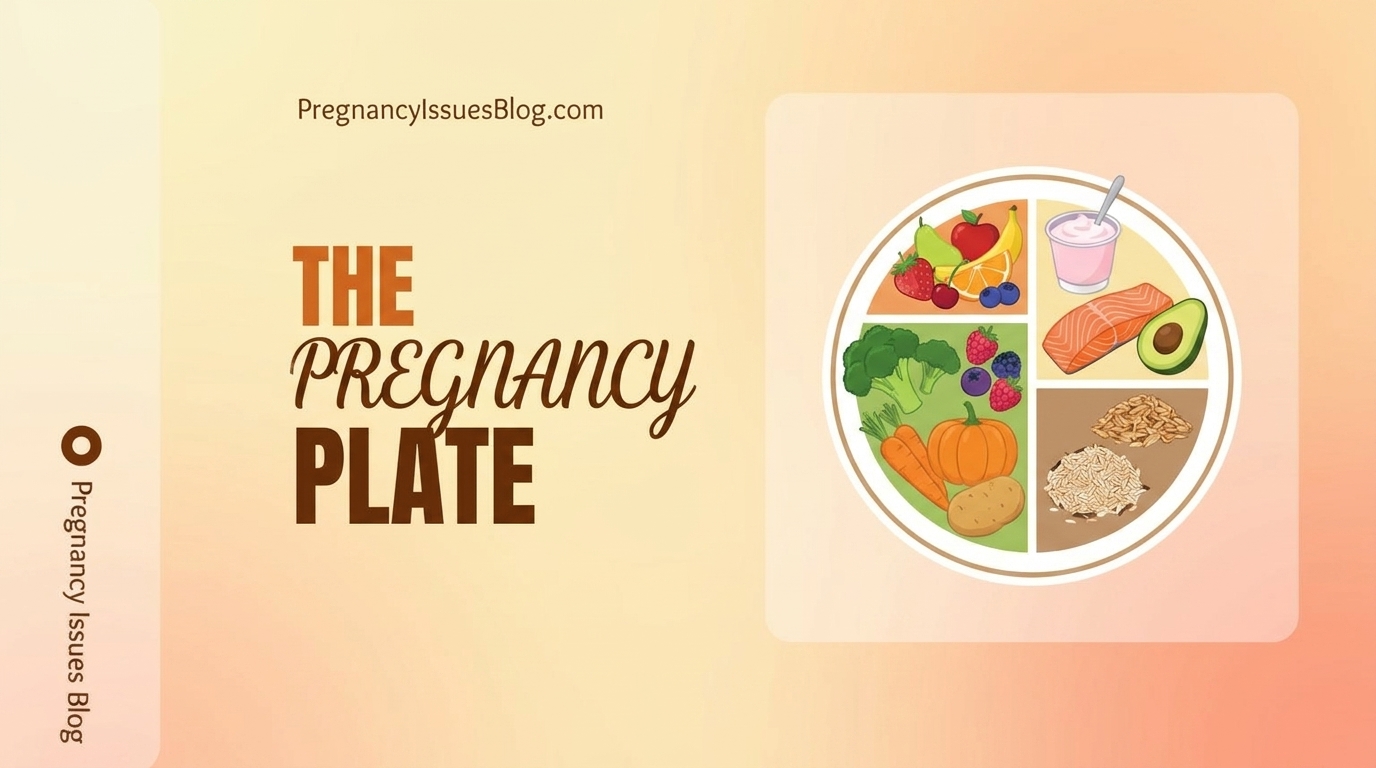
The Data-Driven Fertility Plate
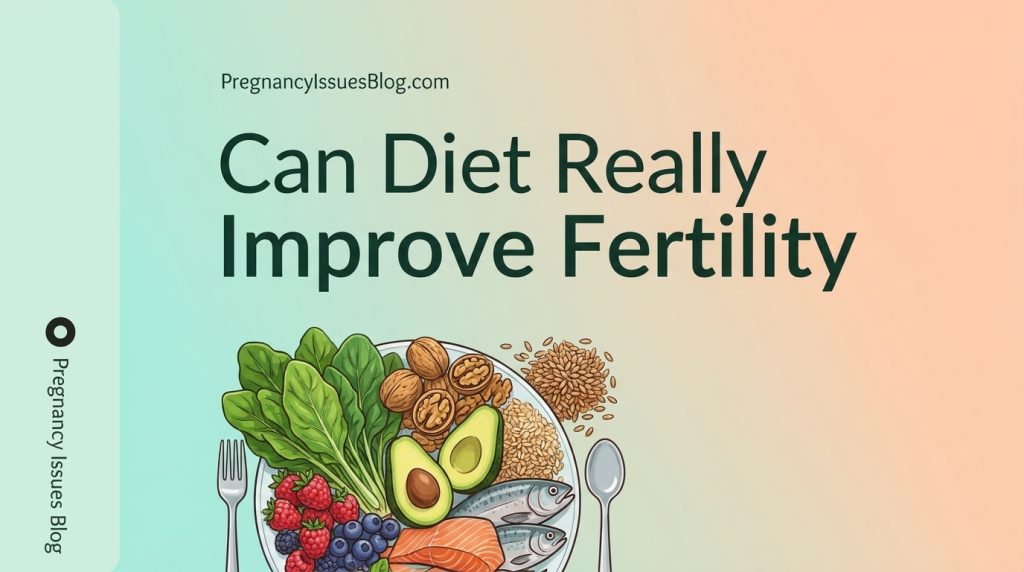
If you want to use nutrition as a tool, focus on these three science-backed pillars:
-
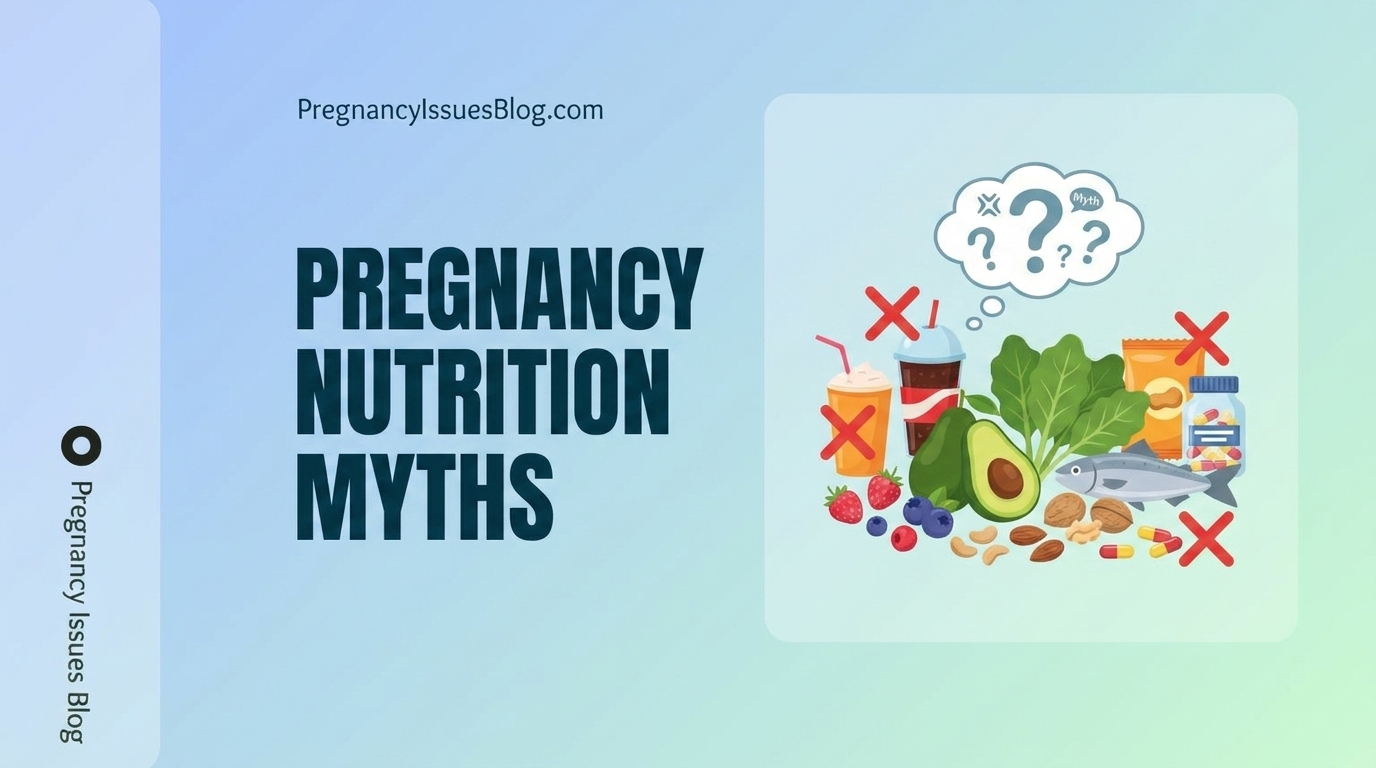
Plant-Based Protein: Replacing just 5% of animal protein intake with plant protein (like lentils or chickpeas) has been shown to significantly reduce the risk of ovulatory infertility.
-
The “Good” Fats: Your hormones are made from fats. Monounsaturated fats (avocados, olive oil) and Omega-3s (salmon, walnuts) are the building blocks of estrogen and progesterone.
-
Antioxidant Defense: Eggs and sperm are highly susceptible to oxidative damage. Loading up on berries, leafy greens, and Vitamin C-rich foods acts as a biological “shield” for your genetic material.
Conclusion
So, can diet really improve fertility?
Absolutely.
It is the most powerful way to influence the internal “weather” of your body.
While it isn’t a cure-all, it is a foundational step that supports every other medical intervention you might pursue.
By choosing whole, nutrient-dense foods, you aren’t just eating for a baby; you are building a resilient, healthy body that is prepared to sustain a pregnancy.
Are you currently looking to address a specific hormonal concern through your diet, such as PCOS or irregular cycles, or are you just looking for a general boost?