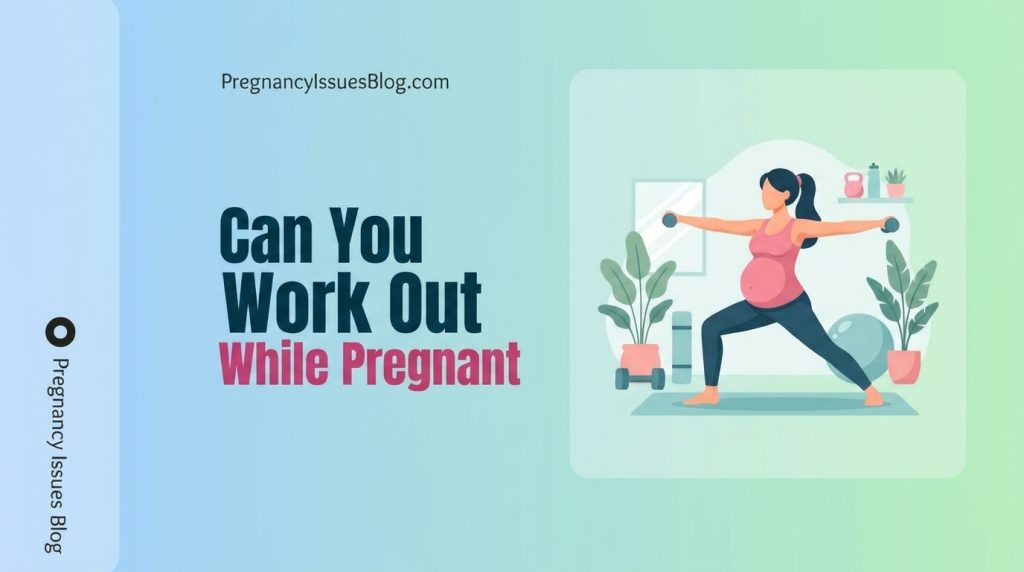
Not so long ago, the prevailing advice for pregnant women was to “take it easy,” which usually meant trading the gym for the couch and avoiding anything more strenuous than a brisk walk to the fridge.
Fast forward to now, and the expert consensus has done a complete 180.
Medical professionals now view pregnancy not as a fragile state to be sheltered, but as a period where physical activity is a vital component of a healthy experience.
If you’ve been wondering if you can keep your sweat sessions while growing a human, here is the breakdown of what the experts actually say.
Table of Contents
Toggle1. The Expert Verdict: It’s a “Yes”
According to the American College of Obstetricians and Gynecologists (ACOG) and the latest clinical data, women with uncomplicated pregnancies should aim for at least 150 minutes of moderate-intensity aerobic activity every week.
Unless you have specific medical contraindications (like placenta previa or certain types of heart disease), experts agree that if you were active before pregnancy, you can stay active.
If you weren’t active, pregnancy is actually an excellent time to start a low-impact routine.
2. Why Working Out is a “Win-Win”
Exercise during these nine months isn’t just about “staying in shape”; it’s about biological optimization. Experts highlight several key benefits:
-
Gestational Diabetes & Preeclampsia: Regular movement helps regulate blood sugar and blood pressure, significantly lowering the risk of these common complications.
-
The “Mental” Edge: Pregnancy hormones can be a rollercoaster. Exercise releases endorphins that act as a natural buffer against prenatal anxiety and depression.
-
Labor Preparation: Labor is arguably the most athletic event of your life. Stronger muscles and better cardiovascular endurance can lead to shorter labor times and a more efficient recovery.
3. The Talk Test: Your New Heart Rate Monitor
In the past, experts suggested keeping your heart rate below 140 BPM. Recently, we’ve moved toward a more intuitive approach: The Talk Test.
The Rule: You should be able to carry on a normal conversation while you’re working out. If you’re too winded to speak, your body is working too hard. This ensures you are maintaining a safe level of oxygenation for both you and your baby.
4. Smart Modifications for Every Stage
As your pregnancy progresses, your “Expert-Approved” routine should shift.
-
Core Support: Avoid traditional crunches or “sit-ups” which can exacerbate Diastasis Recti (abdominal separation). Focus on “deep core” stability and pelvic floor exercises instead.
-
The Supine Position: After week 20, experts recommend avoiding exercises where you lie flat on your back for long periods. The weight of the uterus can compress the vena cava, a major vein, potentially making you feel dizzy or reducing blood flow to the baby.
-
Mind the Relaxin: Your body is producing a hormone called Relaxin, which loosens your ligaments. This makes you more flexible, but also more prone to injury. Stick to stable, controlled movements rather than high-impact jumping or extreme stretching.
5. When to Call It a Day
While experts encourage movement, they also emphasize “Bio-Feedback.” Stop immediately if you experience:
-
Vaginal bleeding or leaking fluid.
-
Dizziness or feeling like you might faint.
-
Sudden, unexplained swelling in the hands or face.
-
A significant decrease in baby’s movement.
The Bottom Line
Expert advice is clear: Movement is medicine.
Your body is essentially running a 40-week marathon; training for it is not only safe but highly recommended.
Listen to your body, consult with your OB-GYN, and don’t be afraid to keep moving.