Are you experiencing subtle changes in your body?
Feeling a mix of excitement and uncertainty?
You might be 4 weeks pregnant!
This early stage of pregnancy is a whirlwind of emotions and physical changes, often leaving you wondering what’s normal and what’s not.
From those first tender breast sensations to the sudden urge to nap at odd hours, your body is embarking on an incredible journey.
But here’s the catch – many of these symptoms can be easily mistaken for PMS or simply brushed off as stress.
That’s why understanding what to expect at 4 weeks pregnant is crucial.
Whether you’re eagerly awaiting confirmation or just suspecting, we’re here to guide you through the top 5 areas of change you might experience.
Ready to dive into the fascinating world of early pregnancy symptoms? Let’s explore what your body might be telling you.
Common Physical Symptoms at 4 Weeks
A. Missed Period: The First Sign
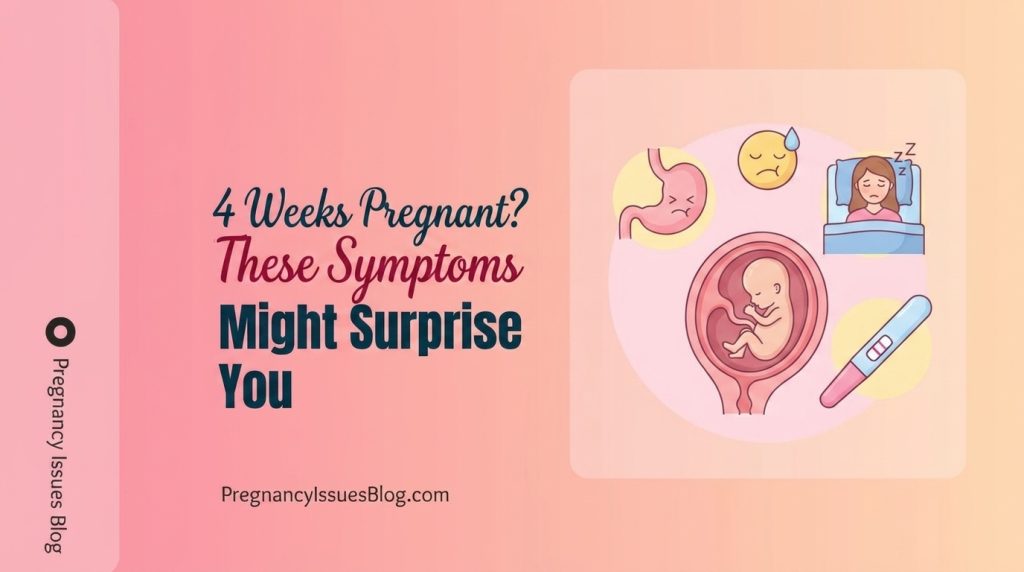
Your missed period is often the first noticeable sign of pregnancy at 4 weeks.
If you’re usually regular, this can be a strong indicator.
However, remember that other factors can also cause delayed periods.
B. Breast Changes and Tenderness
You may notice your breasts becoming:
- Swollen or fuller
- More sensitive to touch
- Sore or tender, especially around the nipples
These changes occur due to hormonal shifts preparing your body for breastfeeding.
C. Fatigue and Energy Levels
Feeling unusually tired? Increased progesterone levels can cause fatigue.
You might find yourself needing more rest or struggling to stay awake during the day.
D. Mild Cramping and Spotting
Some mild cramping and light spotting are normal as the fertilized egg implants in your uterus.
However, if you experience severe pain or heavy bleeding, consult your healthcare provider immediately.
Now that you’re aware of these early physical signs, let’s explore the digestive changes you might experience at 4 weeks pregnant.
Early Digestive Changes
Morning Sickness and Nausea
At 4 weeks pregnant, you might start experiencing the infamous morning sickness.
Despite its name, this nausea can strike at any time of day. You may feel queasy or experience sudden aversions to certain smells or foods.
Food Aversions and Cravings
Your taste buds might be in for a surprise. You could find yourself:
- Suddenly disliking foods you once enjoyed
- Craving unusual food combinations
- Experiencing a heightened sense of smell
These changes are normal and often attributed to hormonal shifts in your body.
Bloating and Constipation
You may notice your belly feeling fuller than usual.
Hormonal changes can slow down your digestive system, leading to:
- Bloating and gas
- Constipation
- General discomfort in your abdominal area
To ease these symptoms, try eating smaller, more frequent meals and staying hydrated.
Emotional and Mental Symptoms

Mood Swings and Irritability
At 4 weeks pregnant, you might find your emotions on a rollercoaster ride. Hormonal changes can cause sudden shifts in your mood, making you feel irritable one moment and elated the next.
Don’t be surprised if you’re more sensitive than usual or find yourself reacting strongly to minor inconveniences.
Anxiety and Excitement
You may experience a mix of anxiety and excitement as the reality of your pregnancy sets in. It’s normal to feel:
- Nervous about the upcoming changes
- Excited about becoming a parent
- Worried about the health of your baby
- Eager to share the news with loved ones
Heightened Sense of Smell
Your nose might become your new superpower. Many women report a heightened sense of smell during early pregnancy.
You may find certain odors more intense or unpleasant than before, which can sometimes trigger nausea.
This sensitivity is your body’s way of protecting you and your developing baby from potential harmful substances.
Less Common but Possible Signs
While some symptoms are more common during early pregnancy, you might experience less frequent signs that are still worth noting.
Here are some less common but possible signs you may encounter at 4 weeks pregnant:
Frequent Urination
You may find yourself visiting the bathroom more often than usual. This is due to:
- Increased blood flow to your kidneys
- Your body producing more urine to flush out waste
Headaches and Dizziness
These symptoms can occur due to hormonal changes and increased blood volume. To manage them:
- Stay hydrated
- Get plenty of rest
- Avoid sudden movements
Nasal Congestion
Pregnancy hormones can cause the lining of your nasal passages to swell, leading to:
- A stuffy nose
- Nosebleeds
Skin Changes
Your skin might undergo subtle changes, such as:
- Increased oiliness
- Mild acne breakouts
- A slight darkening of the skin around your nipples
While these signs are less common, they’re still normal. If you’re concerned about any symptoms, don’t hesitate to consult your healthcare provider for guidance.
When to Consult Your Healthcare Provider
While many symptoms are normal during early pregnancy, certain signs warrant immediate medical attention.
You should contact your healthcare provider if you experience any of the following:
Severe Abdominal Pain
Intense abdominal pain could indicate an ectopic pregnancy or other complications. Don’t ignore persistent or sharp pains.
Heavy Bleeding
While light spotting can be normal, heavy bleeding similar to a period may signal a potential miscarriage.
Extreme Nausea and Vomiting
If you’re unable to keep any fluids down or experiencing severe dehydration, seek medical help immediately.
Fever or Chills
A high temperature might indicate an infection that could harm your pregnancy.
Unusual Discharge
Any foul-smelling or colored discharge should be evaluated by a healthcare professional.
Remember, it’s always better to err on the side of caution.
Your health and your baby’s well-being are paramount, so don’t hesitate to reach out to your doctor with any concerns.
As you navigate the early stages of pregnancy at 4 weeks, you may experience a range of physical, emotional, and mental changes.
From common symptoms like fatigue and breast tenderness to less frequent signs such as light spotting, your body is adapting to this new phase.
Remember that every pregnancy is unique, and you may not experience all these symptoms.
While many of these changes are normal, it’s crucial to stay attentive to your body and maintain open communication with your healthcare provider.
If you experience severe symptoms or have concerns, don’t hesitate to seek medical advice.
By understanding and monitoring your symptoms, you’re taking an important step in ensuring a healthy pregnancy journey for both you and your baby.