Are you expecting and feeling overwhelmed by the plethora of dietary advice for pregnant women?
You’re not alone! Navigating the world of pregnancy nutrition can be as daunting as assembling a crib without instructions.
But fear not, mama-to-be – we’re here to help you dish up a plateful of knowledge that’s as nourishing as it is easy to digest.
From essential nutrients to foods to avoid, and from meal planning strategies to managing pregnancy-related food issues, we’ve got your cravings for information covered.
Whether you’re puzzled about proper weight gain or pondering over prenatal supplements, this comprehensive guide will serve up everything you need to know about planning meals for your pregnancy.
So, let’s dive into the buffet of information that will help you and your little one thrive during this exciting journey!
Essential Nutrients for a Healthy Pregnancy
When planning meals during pregnancy, it’s crucial to focus on essential nutrients that support both maternal health and fetal development.
Let’s explore the key components of a well-balanced pregnancy diet.
A. Key vitamins and minerals
Pregnant women require a variety of vitamins and minerals to support their changing bodies and growing babies.
Here’s a table highlighting some of the most important ones:
| Nutrient | Benefits | Food Sources |
|---|---|---|
| Iron | Prevents anemia, supports fetal growth | Lean meats, beans, spinach |
| Calcium | Builds strong bones and teeth | Dairy products, leafy greens |
| Vitamin D | Aids calcium absorption, bone health | Fortified milk, fatty fish, egg yolks |
| Iodine | Supports thyroid function, brain development | Iodized salt, seafood, dairy |
B. Healthy fats for fetal development
Omega-3 fatty acids, particularly DHA, are crucial for your baby’s brain and eye development. Include these healthy fats in your pregnancy meal plan:
- Fatty fish (salmon, sardines)
- Walnuts
- Chia seeds
- Flaxseeds
C. Protein requirements
Protein is essential for your baby’s growth and your body’s changing needs. Aim to include a variety of protein sources in your pregnancy nutrition plan:
- Lean meats
- Poultry
- Fish (low in mercury)
- Eggs
- Legumes
- Dairy products
D. Importance of folic acid
Folic acid is crucial in preventing neural tube defects. While supplements are often recommended, you can also boost your intake through food sources:
- Dark leafy greens (spinach, kale)
- Fortified cereals
- Oranges
- Beans
By incorporating these essential nutrients into your meal plan for pregnant women, you’ll be providing the building blocks for a healthy pregnancy and baby.
Next, we’ll explore specific foods to include in your pregnancy diet to ensure you’re meeting these nutritional needs.
Foods to Include in Your Pregnancy Diet

Now that we’ve covered essential nutrients, let’s explore the specific foods that should be part of your pregnancy diet.
A well-balanced meal plan for pregnant women should include a variety of nutrient-dense options to support both maternal and fetal health.
A. Iron-fortified choices
Iron is crucial during pregnancy, and including iron-rich foods in your meal plan is essential. Some excellent options include:
- Lean red meat
- Fortified cereals
- Spinach and other leafy greens
- Beans and lentils
B. Calcium-rich foods
Calcium is vital for developing your baby’s bones and teeth. Incorporate these calcium-rich foods into your pregnancy nutrition plan:
- Low-fat dairy products (milk, yogurt, cheese)
- Fortified plant-based milk alternatives
- Sardines and canned salmon with bones
- Tofu processed with calcium sulfate
C. Whole grains and fiber-rich options
Fiber helps prevent constipation and provides essential nutrients. Include these in your meal planning during pregnancy:
- Whole wheat bread and pasta
- Brown rice
- Oatmeal
- Quinoa
D. Lean protein sources
Protein is crucial for your baby’s growth. Here are some lean protein sources to include in your pregnancy meal plan:
| Protein Source | Benefits |
|---|---|
| Chicken breast | Low in fat, high in protein |
| Fish (low-mercury) | Rich in omega-3 fatty acids |
| Eggs | Complete protein, versatile |
| Greek yogurt | High in protein, good source of probiotics |
E. Nutrient-dense fruits and vegetables
Fruits and vegetables provide essential vitamins, minerals, and antioxidants. Aim to include a variety of colorful options in your pregnancy meal plan:
- Dark leafy greens (kale, spinach, collard greens)
- Berries (strawberries, blueberries, raspberries)
- Citrus fruits (oranges, grapefruits, lemons)
- Sweet potatoes
- Bell peppers
- Broccoli and cauliflower
By incorporating these nutrient-rich foods into your daily meals, you’ll be providing your body and your growing baby with the essential nutrients needed for a healthy pregnancy.
Next, we’ll discuss foods and drinks that you should avoid during pregnancy to ensure the safety of both you and your baby.
Foods and Drinks to Avoid During Pregnancy
When planning meals for your pregnancy, it’s crucial to be aware of certain foods and beverages that can pose risks to your developing baby.
Here’s a comprehensive guide to help you navigate what to avoid:
A. Caffeine and alcohol
While completely cutting out caffeine isn’t necessary, limiting your intake is essential.
Aim for no more than 200mg of caffeine per day, which is roughly equivalent to:
- 1 cup of coffee
- 2 cups of tea
- 2 cans of cola
As for alcohol, it’s best to abstain completely during pregnancy. Even small amounts can harm your baby’s development.
B. Unpasteurized dairy products
Unpasteurized dairy products can harbor harmful bacteria like Listeria. Avoid:
- Raw milk
- Soft cheeses made from unpasteurized milk (e.g., Brie, Camembert, Roquefort)
- Some Mexican-style cheeses (e.g., queso fresco, queso blanco)
C. Raw or undercooked meats
To prevent foodborne illnesses, ensure all meats are thoroughly cooked. Avoid:
- Raw or rare meats
- Deli meats (unless heated until steaming)
- Raw eggs or foods containing raw eggs (e.g., homemade mayonnaise, some Caesar dressings)
D. High-mercury fish
While fish is an excellent source of omega-3 fatty acids, some varieties contain high levels of mercury, which can be harmful to your baby’s developing nervous system.
| Avoid | Limit (1-2 servings/week) | Safe to Eat |
|---|---|---|
| Shark | Albacore tuna | Salmon |
| Swordfish | Halibut | Trout |
| King mackerel | Mahi-mahi | Catfish |
| Tilefish | Cod |
By being mindful of these foods and drinks, you can create a safer and more nutritious meal plan for your pregnancy.
In the next section, we’ll explore effective meal planning strategies to ensure you’re getting all the essential nutrients while avoiding potential risks.
Meal Planning Strategies for Pregnant Women

Now that we’ve covered essential nutrients and foods to include in your pregnancy diet, let’s explore effective meal planning strategies to ensure you’re getting the nutrition you need.
Balanced Plate Approach
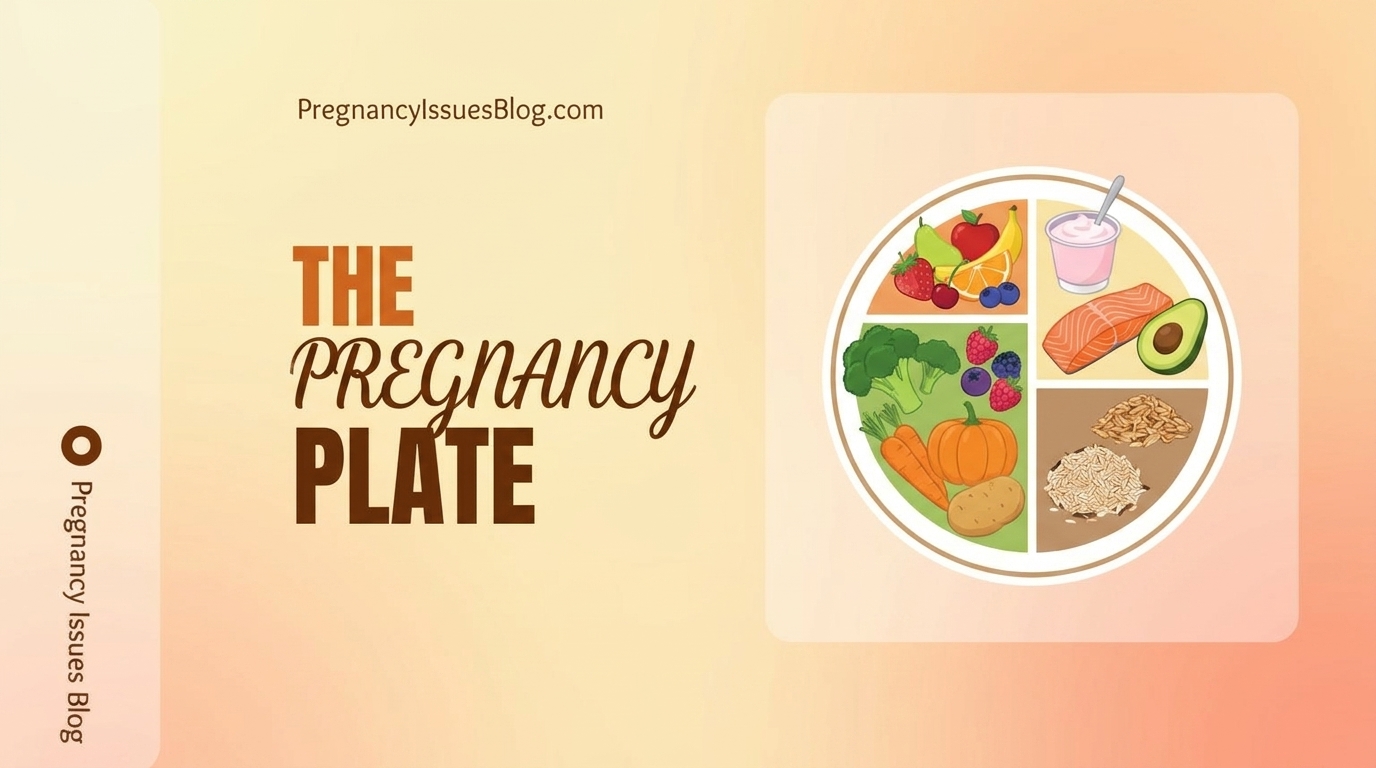
A balanced plate approach is key to successful meal planning during pregnancy. Here’s a simple guide to creating a nutritious plate:
| Food Group | Portion |
|---|---|
| Vegetables | 1/2 plate |
| Lean Protein | 1/4 plate |
| Whole Grains | 1/4 plate |
| Healthy Fats | 1-2 tablespoons |
Remember to include a variety of colorful vegetables, lean proteins like chicken or fish, and whole grains such as quinoa or brown rice.
Hydration Tips
Staying hydrated is crucial during pregnancy. Here are some tips to ensure adequate fluid intake:
- Aim for 8-10 glasses of water daily
- Keep a reusable water bottle with you
- Infuse water with fruits for added flavor
- Include hydrating foods like watermelon and cucumber in your meals
Preparing Nutrient-Dense Snacks
Snacks are an excellent way to boost nutrition between meals. Try these nutrient-dense options:
- Greek yogurt with berries and nuts
- Whole grain crackers with hummus
- Apple slices with almond butter
- Hard-boiled eggs with cherry tomatoes
- Homemade trail mix with dried fruits and seeds
Frequent Small Meals to Manage Nausea
For those experiencing morning sickness or nausea, eating frequent small meals can help. Consider:
- Eating every 2-3 hours
- Keeping crackers or dry toast by your bedside
- Opting for cold foods if hot meals trigger nausea
- Ginger tea or lemon water to soothe an upset stomach
By implementing these meal planning strategies, you’ll be well on your way to maintaining a healthy pregnancy diet.
Next, we’ll address common pregnancy-related food issues and how to manage them effectively.
Managing Common Pregnancy-Related Food Issues

Pregnancy can bring about various food-related challenges that require careful management.
Let’s explore some common issues and how to address them through proper meal planning and dietary adjustments.
A. Managing gestational diabetes with meal planning
Gestational diabetes requires careful attention to meal planning. Here are some strategies to help manage blood sugar levels:
- Distribute carbohydrates evenly throughout the day
- Choose complex carbohydrates over simple sugars
- Pair carbohydrates with protein and healthy fats
- Monitor portion sizes
| Meal | Example |
|---|---|
| Breakfast | Whole grain toast with avocado and a boiled egg |
| Snack | Apple slices with almond butter |
| Lunch | Grilled chicken salad with mixed vegetables and quinoa |
| Snack | Greek yogurt with berries |
| Dinner | Baked salmon, roasted sweet potato, and steamed broccoli |
B. Addressing heartburn through diet
Heartburn is a common pregnancy complaint. Try these dietary adjustments to minimize discomfort:
- Eat smaller, more frequent meals
- Avoid spicy, fatty, and acidic foods
- Stay upright after eating
- Chew food thoroughly
C. Combating food aversions
Food aversions can make meal planning challenging. Here are some tips to ensure proper nutrition:
- Experiment with different textures and temperatures of foods
- Focus on nutrient-dense alternatives
- Consider smoothies or shakes to pack in nutrients
- Don’t force yourself to eat foods that trigger strong aversions
D. Dealing with morning sickness
Morning sickness can disrupt your meal plan. Try these strategies to manage nausea:
- Eat small, frequent meals throughout the day
- Keep crackers or dry toast by your bedside
- Stay hydrated with water, ginger tea, or clear broths
- Choose bland, easily digestible foods
By implementing these strategies, you can navigate common pregnancy-related food issues while maintaining a nutritious meal plan.
Next, we’ll explore the role of supplementation during pregnancy to ensure you’re getting all the necessary nutrients for you and your baby’s health.
Supplementation During Pregnancy

When to start and how long to continue
Supplementation during pregnancy is crucial for both maternal and fetal health.
Ideally, you should start taking prenatal supplements before conception, but it’s never too late to begin.
Continue taking them throughout your pregnancy and for at least 4-6 weeks postpartum, especially if you’re breastfeeding.
Additional supplements as recommended by healthcare provider
Your healthcare provider may recommend additional supplements based on your individual needs. Here’s a table outlining some common supplementations:
| Supplement | Purpose | Recommended for |
|---|---|---|
| Iron | Prevents anemia | Women with low iron levels |
| Calcium | Supports bone health | Women with low dairy intake |
| Vitamin D | Aids calcium absorption | Women with limited sun exposure |
| Omega-3 | Supports fetal brain development | Women with low fish intake |
Prenatal vitamins
Prenatal vitamins are a cornerstone of pregnancy nutrition. They typically contain:
- Folic acid (400-800 mcg)
- Iron (27 mg)
- Calcium (1,000 mg)
- Vitamin D (600 IU)
- DHA (200-300 mg)
When choosing a prenatal vitamin, look for one that meets these requirements and consult with your healthcare provider for personalized recommendations.
Remember, while supplements are important, they should complement a balanced pregnancy meal plan, not replace it.
A well-rounded diet rich in fruits, vegetables, whole grains, and lean proteins forms the foundation of good pregnancy nutrition.
In the next section, we’ll discuss how to manage your weight gain and calorie needs during this important time.
Weight Gain and Calorie Needs

Balancing Nutrition and Weight Management
When it comes to pregnancy, balancing nutrition and weight management is crucial for both maternal and fetal health.
A well-planned pregnancy meal plan ensures that you’re getting the right nutrients while maintaining a healthy weight gain.
Here’s a quick overview of key considerations:
- Focus on nutrient-dense foods
- Practice portion control
- Stay hydrated
- Listen to your body’s hunger cues
Adjusting Calorie Intake by Trimester
As your pregnancy progresses, your calorie needs will change. Here’s a breakdown of recommended calorie increases by trimester:
| Trimester | Additional Calories Needed |
|---|---|
| First | 0-100 calories |
| Second | 340-360 calories |
| Third | 450-500 calories |
Remember, these are general guidelines. Your specific needs may vary based on factors like pre-pregnancy weight, activity level, and overall health.
Healthy Weight Gain Guidelines
Healthy weight gain during pregnancy depends on your pre-pregnancy BMI. Here’s a quick guide:
- Underweight: 28-40 pounds
- Normal weight: 25-35 pounds
- Overweight: 15-25 pounds
- Obese: 11-20 pounds
It’s important to discuss your individual weight gain goals with your healthcare provider.
They can help you create a personalized pregnancy nutrition plan that ensures you’re gaining weight at a healthy rate while meeting your nutritional needs.
Conclusion
Planning meals during pregnancy is a crucial aspect of ensuring both maternal and fetal health.
By focusing on nutrient-dense foods, avoiding potential hazards, and adopting effective meal planning strategies, expectant mothers can support their changing bodies and promote optimal fetal development.
Remember to include a variety of fruits, vegetables, lean proteins, whole grains, and healthy fats in your diet while steering clear of raw or undercooked meats, unpasteurized dairy products, and high-mercury fish.
Ultimately, a well-balanced pregnancy diet, combined with appropriate supplementation and regular prenatal check-ups, can significantly contribute to a healthy pregnancy and a thriving baby.
Listen to your body, stay hydrated, and don’t hesitate to consult with your healthcare provider for personalized nutrition advice.
By prioritizing your nutritional needs during this special time, you’re setting the stage for a positive pregnancy experience and giving your baby the best possible start in life.