If you’ve recently found yourself eying your baseboards with a toothbrush or feeling a sudden, uncontrollable urge to deep-clean the grout in your spare bathroom, congratulations: Nesting has arrived.
We are more aware of “clean living” than ever before now, the average home still contains a cocktail of chemicals that can be a bit too intense for a developing system.
During pregnancy, your skin is more absorbent, your lungs are working harder, and your baby is navigating critical developmental windows.
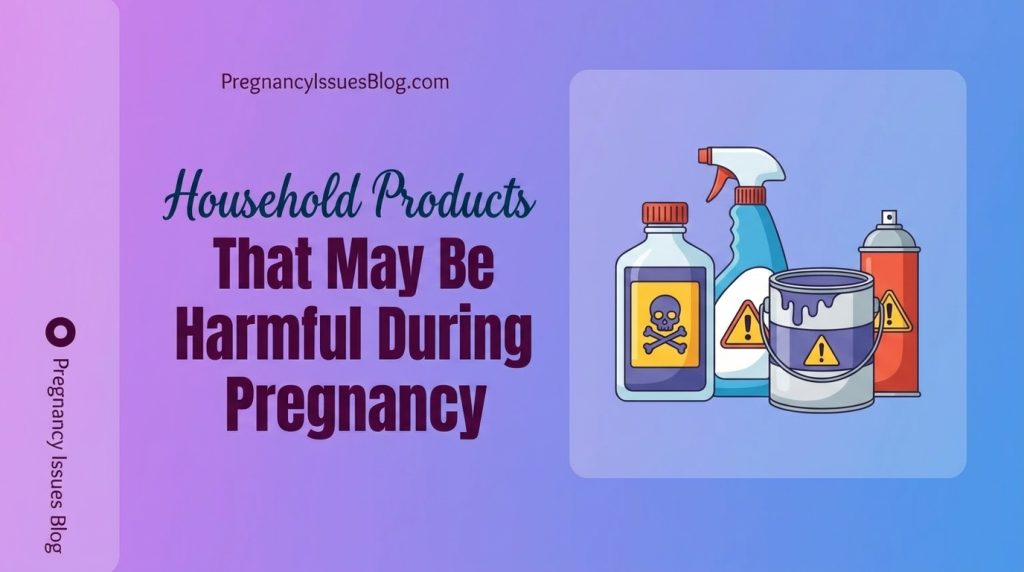
Here is a look at which household products you should bench for the next nine months and how to keep your “nest” sparkling without the side of toxins.
Table of Contents
Toggle1. The Cleaning Cupboard: Harsh Fumes
Most standard cleaning supplies are safe if used in a well-ventilated room, but a few specific chemicals deserve a “do not use” label right now.
-
Ammonia and Bleach: These are highly irritating to the respiratory system. More importantly, if accidentally mixed, they create Chlorine Gas, which is toxic to everyone but especially dangerous when your oxygen demands are already elevated.
-
Oven Cleaners: These often contain ethers and highly alkaline concentrated lye. Now, we recommend skipping the caustic sprays. If the oven needs a scrub, use a paste of baking soda and water.
-
Aerosol Sprays: These release Volatile Organic Compounds (VOCs) that you inhale directly. Opt for liquid or “pour” versions of cleaners instead.
2. The “Fragrance” Trap
“Fresh Linen” and “Summer Breeze” scents often come at a hidden cost.
Many synthetic fragrances are held together by Phthalates.
These are known endocrine disruptors that can interfere with hormonal signaling, the very thing your pregnancy relies on.
-
The Culprits: Plug-in air fresheners, scented candles, and certain fabric softeners.
-
The Fix: Open a window for actual fresh air, or use high-quality essential oil diffusers (ensuring the oils used are pregnancy-safe, like lemon or peppermint).
3. The Nursery Reno: Paint and Solvents
If you’re painting the nursery, you don’t necessarily have to put down the roller, but you do need to check the label.
-
VOCs: Traditional paints off-gas chemicals for weeks after they feel dry. Look for Zero-VOC or Low-VOC water-based paints.
-
Solvents and Strippers: Products like paint thinner or furniture strippers often contain Toluene or Xylene. These have been linked to developmental delays and should be handled by someone else, ideally outdoors.
-
Old Homes (Lead): If your home was built before 1978, do not sand or scrape old paint yourself. Lead dust is a potent neurotoxin for babies.
4. Pest Control: Keeping the Bugs Away
Pesticides are designed to disrupt the nervous systems of insects.
Because a baby’s nervous system is currently under construction, the risk of exposure is a concern.
-
Avoid: Professional indoor “fogging” or heavy garden sprays.
-
The Strategy: Use integrated pest management (IPM). Seal cracks, keep counters crumb-free, and use “bait stations” that keep the chemicals contained rather than broadcast sprays that settle on surfaces you touch.
The Pregnancy “Safety Swap” Table
| Traditional Product | Safer Pregnancy Alternative | Why it’s Better |
| Glass Cleaner | Vinegar + Water + Lemon | No ammonia; non-toxic if inhaled. |
| Scouring Powder | Baking Soda + Castile Soap | No harsh abrasives or synthetic bleach. |
| Air Fresheners | Dried Lavender or Open Windows | Avoids phthalates and VOCs. |
| Insect Repellent | Picaridin or Lemon Eucalyptus | Lower toxicity profile than high-DEET. |
| Drain Cleaner | Plunger or Enzyme-based cleaner | Avoids caustic lye and acid burns. |
A Note on Ventilation
The most powerful tool in your cleaning arsenal is a breeze. If you are cleaning with anything stronger than plain water, open the windows and turn on the exhaust fans. If you start to feel a headache or dizziness, that is your body’s signal to leave the room immediately.
Conclusion
You don’t need to live in a bubble to have a healthy pregnancy.
The goal is simply to reduce your “total body burden.”
By swapping a few harsh chemicals for simpler, more natural alternatives, you create a safer environment for your baby to grow, and you might find that the “natural” scents are much easier on your sensitive pregnancy nose anyway.
Focus on the big changes first, and don’t sweat the small stuff.
Your body is a miraculous filter; these steps just help take some of the pressure off.