If you’ve decided it’s time to grow your family, your brain is likely racing through a thousand “what-ifs.”
You’ve probably already downloaded the tracking apps and started eyeing the cute onesies, but there is one powerful tool you might be overlooking: your grocery list.
While no single food is a “magic pill” for conception, nutrition is the literal foundation upon which hormones are built.
We have more data than ever now, including the landmark “Fertility Diet” study from Harvard, showing that specific dietary patterns can significantly improve ovulation and egg quality.
Here is how to eat for two, before you’re even “two.”
Table of Contents
Toggle1. Swap Refined Carbs for Whole Grains
In the world of fertility, insulin is king.
When you eat refined carbs (think white bread, sugary cereals, and white rice), your blood sugar spikes, forcing your body to pump out insulin.
High insulin levels can actually inhibit ovulation by messing with the delicate balance of reproductive hormones.
Instead, reach for complex carbohydrates like quinoa, brown rice, and oats.
These are fiber-rich and digested slowly, keeping your insulin levels stable and your ovaries happy.
2. Prioritize Plant-Based Proteins
One of the most surprising findings from the Harvard Nurses’ Health Study was that women who ate more plant-based protein (like beans, lentils, and tofu) had significantly lower risks of ovulatory infertility compared to those who ate primarily animal protein.
You don’t have to go full vegan, but replacing one serving of red meat a day with a plant-based source can make a measurable difference in your P(Conception).
3. Embrace Healthy Fats (The Omega-3 Factor)
Your hormones are literally made of fat.
If you aren’t eating enough healthy fats, your body may struggle to maintain the hormonal signaling required for a healthy cycle.
-
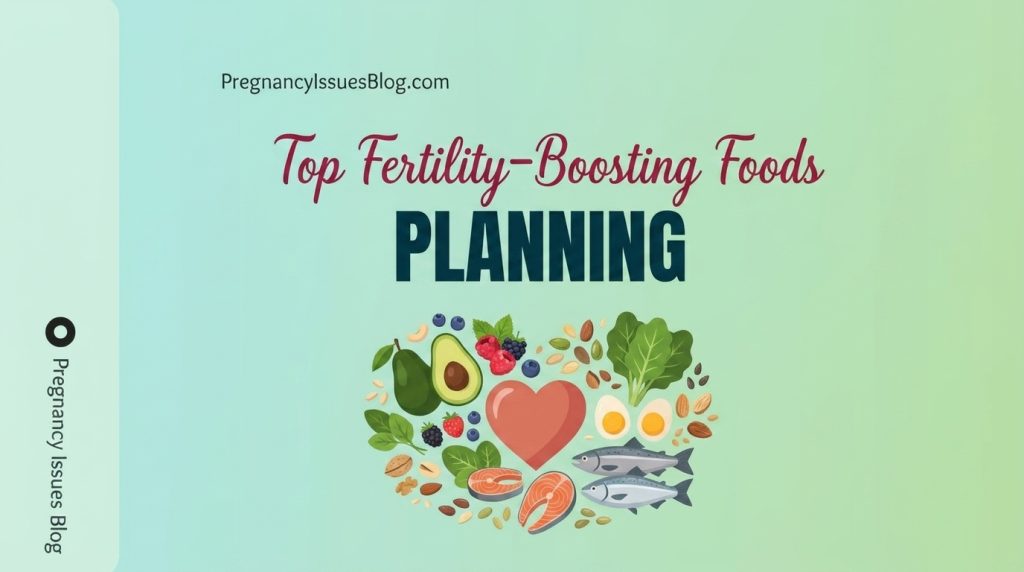
Avocados: Packed with Vitamin E and monounsaturated fats.
-
Walnuts: A powerhouse of Omega-3 fatty acids, which improve blood flow to the uterus.
-
Salmon: High in Vitamin D and DHA, essential for both egg quality and, later, baby’s brain development.
4. The Full-Fat Dairy Twist
For years, we were told to go “low-fat” for health.
However, for women trying to conceive, the opposite appears to be true.
Low-fat dairy has been linked to an increased risk of ovulatory infertility, while full-fat dairy (whole milk, full-fat Greek yogurt) actually seems to support better hormonal function.
The Tip: If you enjoy dairy, swap your skim milk for one glass of whole milk a day while you’re trying to conceive.
5. Load Up on Antioxidants and Folate
Oxidative stress is the enemy of egg and sperm quality.
Antioxidants act as a “shield,” protecting your cells from damage.
-
Berries: Raspberries and blueberries are loaded with Vitamin C and anti-inflammatory phytonutrients.
-
Leafy Greens: Spinach and kale are high in Folate (B9), which is critical in preventing neural tube defects in the very early stages of pregnancy, often before you even know you’re pregnant!
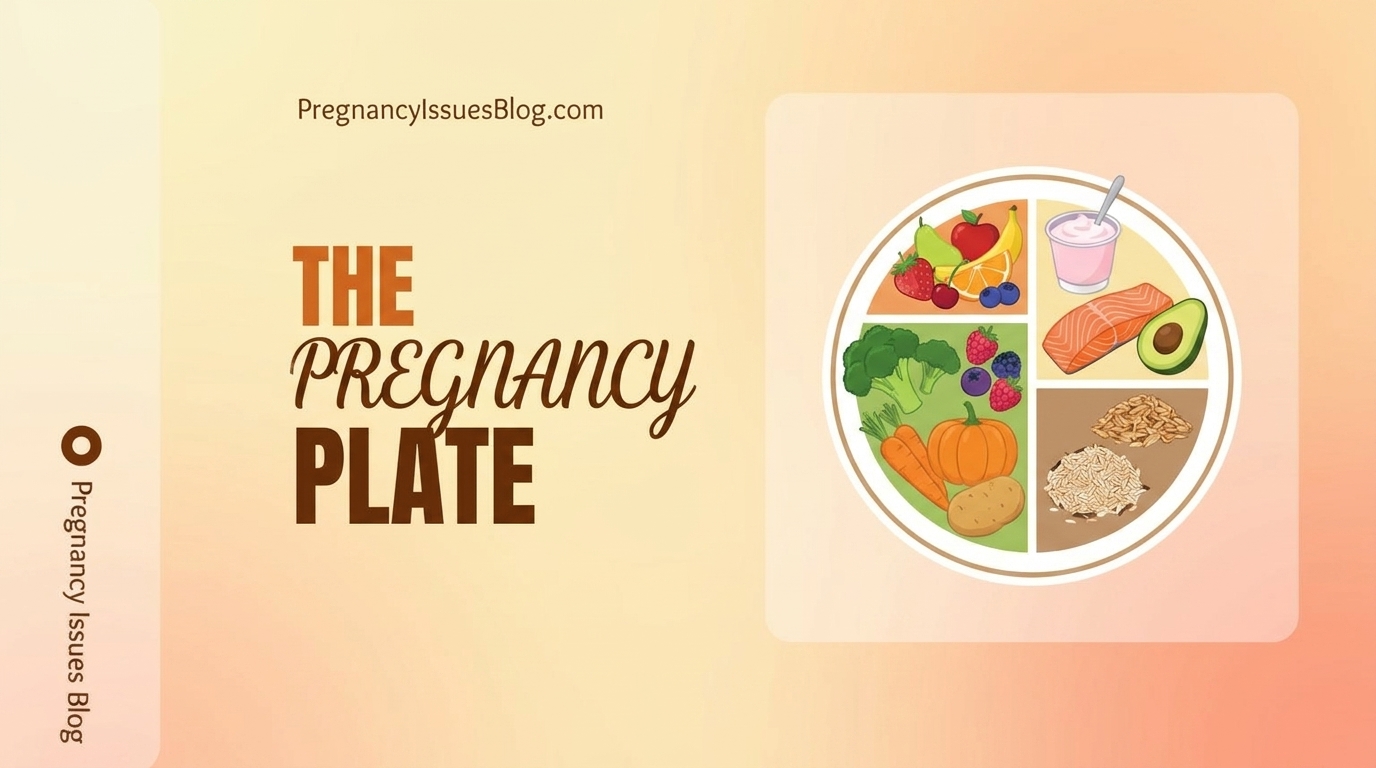
The Ultimate Fertility Plate
| Food Group | Top Choice | Why It Helps |
| Protein | Lentils & Beans | Stabilizes insulin; provides plant protein. |
| Healthy Fat | Walnuts / Avocado | Supports hormone production and uterine blood flow. |
| Fruit | Blueberries | Protects eggs from oxidative stress. |
| Vegetable | Spinach | High in Folate (B9) for early development. |
| Dairy | Full-Fat Greek Yogurt | Promotes healthy ovulation. |
Conclusion
Conception is a complex biological puzzle, and nutrition is just one piece.
However, it is a piece you have total control over.
By focusing on whole, unprocessed foods and prioritizing healthy fats and plant proteins, you aren’t just “eating for fertility”, you’re preparing your body to be the healthiest possible home for your future arrival.
Are you currently focusing more on incorporating specific “superfoods” like avocados and berries, or are you looking to restructure your entire meal plan?