When you’re pregnant, your brain undergoes a fascinating kind of “regression.”
As you prepare to become the caregiver, you often find yourself subconsciously reaching for the foods that made you feel cared for when you were small.
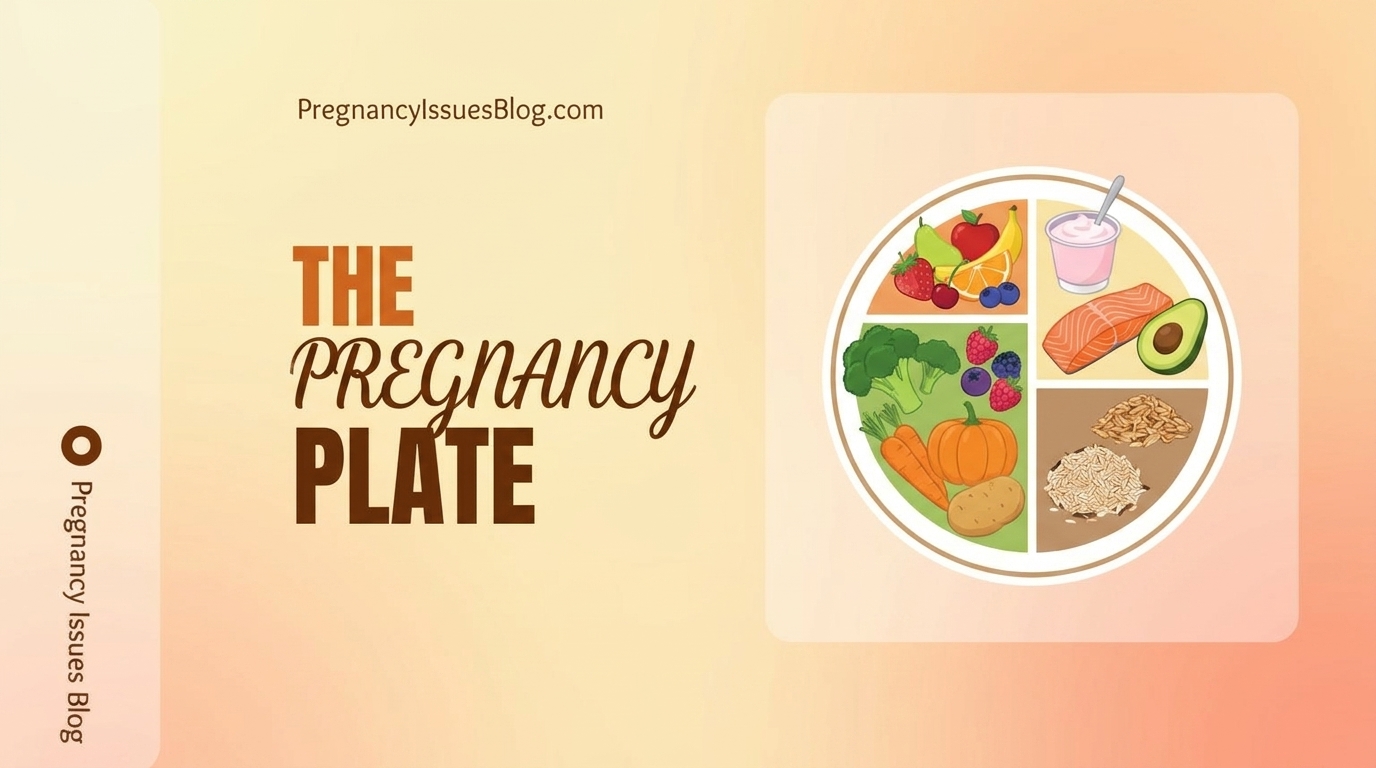
Those 20-year-old memories of Sunday dinners or after-school snacks aren’t just nostalgia; they are deeply ingrained neural pathways that dictate your current relationship with the “Pregnancy Plate.”
Here is why your childhood is sitting at the table with you.
Table of Contents
ToggleWhat You Eat During Pregnancy
-
I. Introduction
-
The “Back to Basics” phenomenon in pregnancy.
-
Why pregnancy is a period of high emotional and biological vulnerability.
-
-
II. The “Safe Food” Blueprint
-
Morning sickness and the return to childhood staples (toast, plain pasta, crackers).
-
Why familiar foods feel biologically “safer.”
-
-
III. The “Clean Plate Club” and Overeating
-
How childhood rules about finishing food manifest when “Eating for Two.”
-
Navigating internal vs. external cues for fullness.
-
-
IV. Food as Reward or Comfort
-
The link between stress and “Treat Culture.”
-
Identifying the “Emotional Hunger” vs. “Nutritional Hunger.”
-
-
V. Cultural Palates and Fetal Programming
-
Why we return to our cultural roots in the third trimester.
-
The generational bridge: Passing flavors to your baby.
-
-
VI. How to Reprogram Your Habits
-
Awareness without judgment.
-
Choosing which habits to keep and which to “retire.”
-
-
VII. Conclusion
-
Being the architect of your baby’s food future.
-
How Your Childhood Food Habits Are Affecting What You Eat During Pregnancy
We like to think of our food choices as logical, adult decisions based on nutrition labels and doctor’s advice.
But during pregnancy, logic often takes a backseat to limbic system drives, the part of the brain responsible for emotions and long-term memories.
If you find yourself suddenly obsessed with a specific brand of cereal you haven’t eaten since the fifth grade, you aren’t just having a “weird craving.”
You are experiencing the “Ghost of Breakfasts Past.”
1. The “Safe Food” Blueprint
During the first trimester, when nausea turns your world upside down, your brain goes into survival mode. It looks for “safe” inputs.
For many, this means a total rejection of complex, “adult” flavors (like kale or garlic) and a return to the bland, high-carb staples of childhood.
Plain white toast, buttered noodles, or chicken nuggets feel “safe” because your brain has decades of data proving these foods won’t hurt you.
In this phase, your childhood habits act as a biological anchor, helping you maintain some level of caloric intake when everything else feels like a threat.
2. The Legacy of the “Clean Plate Club”
Many of us were raised with the rule: “You don’t leave the table until your plate is clean.”
While intended to prevent waste, this habit often teaches children to ignore their body’s “I’m full” signals in favor of external “The plate is empty” signals.
When you’re pregnant, the pressure to “eat for two” can supercharge this habit.
You might feel a moral obligation to finish every bite to ensure the baby is “fed,” even if your body is screaming that it’s full.
Breaking the “Clean Plate” habit is one of the most important steps in managing healthy weight gain during pregnancy.
3. Food as the Ultimate Emotional Regulator
Did your parents give you a lollipop when you fell down?
Or a bowl of ice cream when you got an “A”?
If so, your brain likely wired sugar and fat as the primary tools for emotional regulation.
Pregnancy is a high-stress, high-anxiety period.
When the physical discomfort or the mental weight of impending motherhood becomes heavy, you might subconsciously reach for those childhood “rewards.”
Recognizing that you are seeking comfort rather than calories is the first step toward finding non-food ways to soothe your stress.
4. The Generational Bridge: Cultural Palates
By the third trimester, your baby’s taste buds are fully functional.
They are actually “tasting” the flavors of the amniotic fluid, which is flavored by what you eat.
Many women find themselves returning to their cultural roots during this time, cooking the traditional stews, spices, or grains of their own heritage.
This isn’t just a craving; it’s the beginning of fetal programming.
You are literally introducing your baby to the “flavor profile” of their family before they even take their first breath.
How to Audit Your Habits
You don’t have to be a victim of your childhood upbringing.
You can be the “Editor-in-Chief” of your habits:
-
Identify the “Why”: Before you reach for a snack, ask: “Am I hungry, or am I seeking a memory?” * Keep the Good, Retire the Bad: If your childhood habit was “always having a piece of fruit after dinner,” keep it! If it was “eating cookies when I’m sad,” try to replace it with a walk or a warm bath.
-
Practice Mindful Leaving: Give yourself permission to leave two bites on the plate. It is a powerful way to tell your brain that you are in charge of your fullness, not the plate.
Conclusion
Your relationship with food didn’t start the day you got a positive pregnancy test; it started decades ago.
By understanding how your past influences your present, you can consciously choose which food legacy you want to pass on to your child.
You are the architect of their first food memories, make them count.