When we talk about prenatal nutrition, the conversation usually centers on lists: lists of vitamins, lists of “superfoods,” and lists of things to avoid.
The underlying assumption is that if a woman has the right information, she will naturally make the right choices.
But for millions of women, the hurdle isn’t a lack of information, it’s a series of invisible, systemic, and physical walls.
Here is why “knowing better” doesn’t always lead to “eating better” during the nine-month marathon.
Table of Contents
ToggleThe Real Barriers to Eating Well During Pregnancy: It’s Not Just About Knowledge
Every expectant mother has likely felt the sting of “nutritional guilt.”
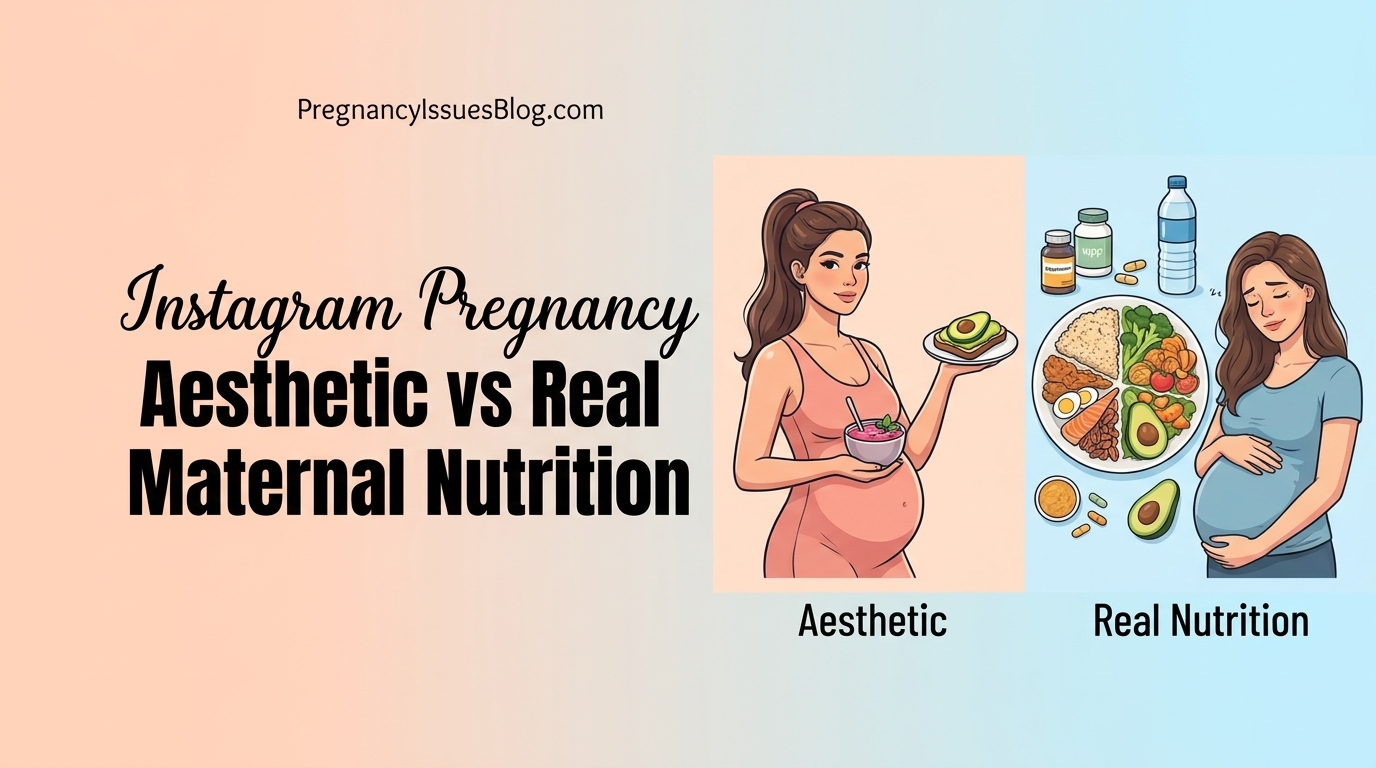
You know you should be eating a spinach-and-berry smoothie, but you’re currently staring at a sleeve of saltine crackers because it’s the only thing that doesn’t make you want to retreat to bed.
The standard advice implies that if you just read one more book or download one more tracking app, you’ll finally master the “perfect” pregnancy diet.
But this ignores the reality that nutrition is influenced by much more than just what we know.
It is influenced by our physical state, our bank accounts, and our environments.
1. The Physical Wall: Biology vs. Intention
The most immediate barrier to eating well is the biological reality of pregnancy.
In the first trimester, nausea and aversions act like a firewall.
You can have a PhD in nutrition, but if your brain associates the smell of salmon with a biological threat, you aren’t going to eat it.
Furthermore, pregnancy fatigue is unlike any other tiredness.
When your body is using a significant portion of its energy just to maintain your blood volume and grow a placenta, the physical act of standing in a kitchen to chop vegetables can feel like climbing a mountain.
In these moments, we don’t choose “unhealthy” food out of ignorance; we choose it because it is the only thing we have the physical capacity to prepare or consume.
2. The Economic Barrier: The Price of Freshness
We often hear that “beans and rice are cheap,” which is true.
However, the perceived and actual cost of a high-micronutrient diet can be a major barrier.
-
Fresh Produce vs. Shelf-Stable: Fresh berries, avocados, and organic leafy greens are significantly more expensive than processed, calorie-dense foods.
-
Time Poverty: This is the most overlooked economic barrier. Eating well requires time, time to shop, time to prep, and time to cook. For a working mother or a mother with other children, time is a luxury. A $5 fast-food meal that takes 5 minutes often wins over a $15 home-cooked meal that takes 45 minutes of standing on swollen feet.
3. The Mental Load and Decision Fatigue
Pregnancy comes with a massive “mental load.”
Every bite of food is suddenly scrutinized: Is this cheese pasteurized?
Is there too much mercury in this?
Did I wash this lettuce enough to avoid listeria?
This constant state of high-alert leads to decision fatigue.
By the end of the day, your brain’s ability to make “good” choices is depleted.
When we are mentally exhausted, we default to “comfort foods”, not because we’ve forgotten that kale is healthy, but because our brains are seeking the quickest route to dopamine and a sense of safety.
4. The Environmental Barrier: Your Surroundings Matter
Your environment often dictates your plate.
If you work in an office where the only available food is from a vending machine or a nearby fast-food joint, your “knowledge” of a healthy lunch doesn’t help you.
Similarly, women living in food desert areas with limited access to affordable, high-quality fresh food face a geographic barrier that no amount of willpower can overcome.
Social and cultural environments also play a role.
If your social circle or family doesn’t prioritize or support your nutritional goals, it becomes an uphill battle to eat differently than the people around you.
Conclusion
If you find yourself struggling to eat the “perfect” diet, it’s time to stop blaming your willpower.
The barriers are real, and they are often structural.
Instead of aiming for perfection, aim for resilience.
Can you find a “middle ground” meal that is easy to prep?
Can you use frozen vegetables to save money and time?
By acknowledging these barriers, we can move away from guilt and toward practical, sustainable solutions that work for our real lives, not just our “ideal” ones.