The moment the umbilical cord is cut, the spotlight shifts.
Suddenly, the focus is entirely on the baby’s weight, the baby’s latch, and the baby’s sleep.
The mother, who has just undergone a major physiological trauma, regardless of whether the birth was vaginal or a C-section, is often sent home with little more than a “good luck” and a prescription for stool softeners.
Postpartum recovery is a high-stakes metabolic event.
You aren’t just “tired”; you are healing a wound the size of a dinner plate inside your uterus while simultaneously producing a complex biological fluid to keep another human alive.
Here is the nutrition guide for the “forgotten” fourth trimester.
Table of Contents
ToggleThe Postpartum Nutrition Nobody Talks About: What You Need to Eat After Delivery to Recover Properly
1. The Placental Wound: Protein and Iron
When the placenta detaches, it leaves a significant wound on the uterine wall.
Your body treats this like any other major internal injury; it requires massive amounts of protein for tissue synthesis.
If you are breastfeeding, your protein requirements are even higher.
You should be aiming for roughly 1.2 to 1.5 grams of protein per kilogram of body weight to support both healing and lactation.
Furthermore, almost every woman loses a significant amount of blood during delivery.
If you enter the postpartum period with low iron, you will experience a level of fatigue that no amount of caffeine can fix.
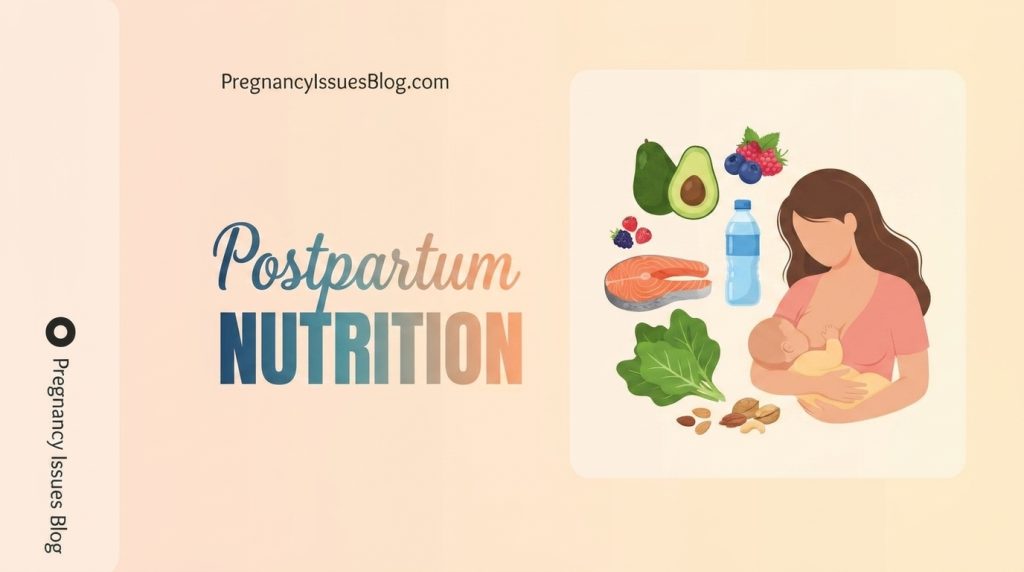
Focus on: Slow-cooked meats (easier to digest), bone broths, lentils, and iron-fortified cereals paired with Vitamin C to maximize absorption.
2. Structural Repair: Collagen and Zinc
Whether you had a vaginal birth or a C-section, your connective tissues have been stretched to their absolute limit.
Pelvic floor recovery isn’t just about Kegels; it’s about providing the body with the building blocks of collagen.
Collagen, Vitamin C, and Zinc work as a trio to repair the skin, the abdominal wall, and the pelvic ligaments.
For C-section moms, Zinc is especially critical as it is a primary player in wound healing and preventing infection at the incision site.
| Nutrient | Why You Need It | Where to Find It |
| Collagen | Joint and tissue elasticity. | Bone broth, chicken skin, supplements. |
| Vitamin C | Cross-linking collagen fibers. | Citrus, bell peppers, strawberries. |
| Zinc | Cell division and immune function. | Beef, pumpkin seeds, chickpeas. |
3. The Digestive Restart: Fiber and Hydration
Let’s be honest: the first postpartum bowel movement is a source of genuine terror for many women.
Between the fear of stitches tearing and the general slowed motility of the gut after surgery or labor, constipation is a major hurdle.
Hydration is the secret here.
You are losing significant amounts of fluid through lochia (postpartum bleeding) and night sweats as your body sheds the extra blood volume from pregnancy.
If you are breastfeeding, you need an additional 1 liter of water per day just to maintain supply.
Without enough water, fiber can actually make constipation worse.
4. The Gut-Brain Connection and Mood
The “Baby Blues” or postpartum depression are often framed as purely emotional or hormonal.
While hormones play a massive role, your gut health is a major co-pilot.
About 90% of your serotonin, the “feel-good” neurotransmitter, is produced in your gut.
A diet high in ultra-processed sugars can trigger inflammation that worsens the “hormonal crash” after delivery.
Focus on healthy fats (Omega-3s from salmon or walnuts) to support brain health and reduce neuroinflammation.
Healthy fats also ensure your breast milk is calorie-dense, which helps your baby feel full longer, potentially buying you a few extra minutes of sleep.
Conclusion – Slow Recovery is Still Recovery
The “bounce back” culture of recent times is a lie.
Your body didn’t “change”; it created.
Recovery takes months, not weeks.
By focusing on warm, easy-to-digest, nutrient-dense foods, you aren’t “dieting”, you are refueling a marathon runner at the finish line.
Treat your body with the same reverence you treat your new baby, and the recovery will follow.