When a baby is born “small for gestational age” or with a low birth weight, we often hear well-meaning relatives say, “Don’t worry, they’ll catch up!”
But scientifically, a low birth weight (LBW) isn’t just a number on a scale; it is a biological autobiography of the nine months spent in the womb.
It is a “quiet” crisis because it doesn’t always scream for attention in the delivery room, yet it sets the stage for a child’s health, intelligence, and even their risk of chronic disease forty years into the future.
At the heart of this crisis is maternal nutrition.
Table of Contents
ToggleLow Birth Weight: The Quiet Nutritional Crisis
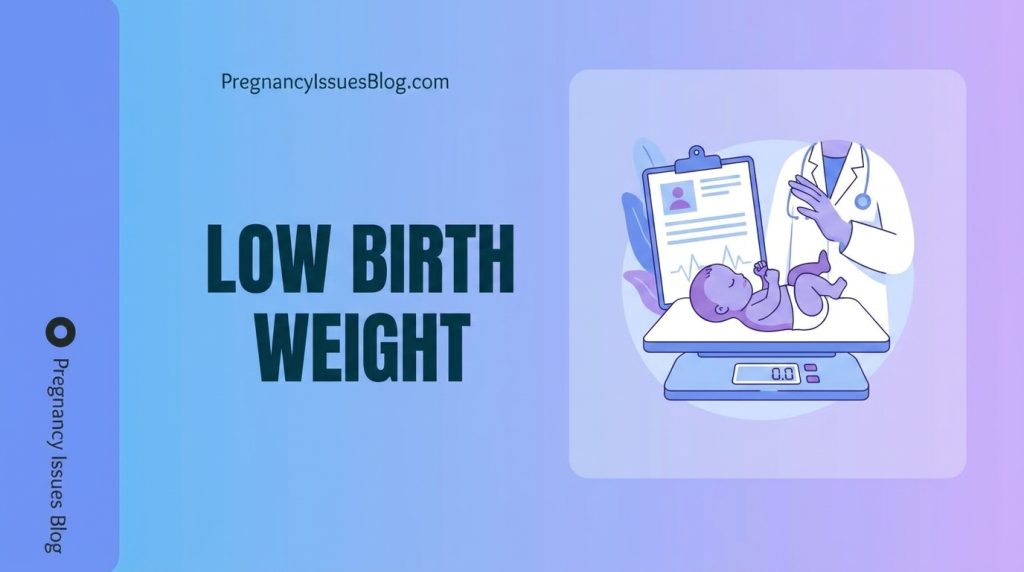
In medical terms, Low Birth Weight is defined as any infant born weighing less than 2,500 grams (5.5 pounds).
While genetics play a role, the vast majority of LBW cases in non-smoking, healthy mothers are driven by Intrauterine Growth Restriction (IUGR), a fancy way of saying the baby didn’t get the supplies it needed to reach its full potential.
1. The Placenta: The Unsung Hero of Growth
Think of the placenta as a high-stakes logistics hub.
It is the only organ that belongs to two people at once.
Its job is to pull glucose, amino acids, and fats from the mother’s bloodstream and “pump” them into the baby.
However, the placenta is also a protective filter.
If a mother is undernourished, the placenta often prioritizes the mother’s survival over the baby’s growth.
It will “downregulate” the transport of nutrients to ensure the mother doesn’t become dangerously depleted.
LBW is often the result of this biological “triage”, the body making a difficult choice to survive a period of scarcity.
2. The Nutrients That Tip the Scale
Birth weight is primarily driven by three categories of nutrients.
If these are missing, the baby’s “growth spurt” (which peaks in the third trimester) is physically stunted.
| Nutrient | Role in Birth Weight | Consequence of Deficiency |
| Protein | Build’s the baby’s soft tissue and muscle. | Low skeletal muscle mass and lower weight. |
| Iron | Expands maternal blood volume to feed the placenta. | Reduced oxygen flow to the fetus; growth restriction. |
| Zinc | Essential for rapid cell division and DNA synthesis. | Stunted bone growth and smaller organ size. |
Key Insight: Many women are told to “watch their weight” during pregnancy to avoid being “too big,” but the greater risk in many populations is macronutrient insufficiency, where the baby doesn’t have the literal building blocks to construct a healthy body.
3. The Barker Hypothesis: The Long Shadow of LBW
In the 1990s, a researcher named David Barker noticed something startling: babies born with low birth weights were significantly more likely to die of heart disease as adults.
This became known as the Barker Hypothesis or the “Thrifty Phenotype” theory.
When a fetus is deprived of nutrition, it makes a “survival pact.”
It prioritizes the growth of its brain (the “Brain Sparing Effect”) at the expense of its other organs, like the pancreas and kidneys.
-
The Result: The baby is born small, with a “thrifty” metabolism designed for a world of starvation.
-
The Conflict: When that baby grows up in a modern world of high-calorie foods, their “thrifty” body can’t handle the abundance. This leads to a skyrocketing risk of obesity, hypertension, and Type 2 diabetes.
4. The Environmental “Noise”
We cannot talk about the nutritional crisis of LBW without talking about stress.
High levels of cortisol (the stress hormone) in a mother’s body can actually restrict blood flow to the placenta.
For women living in poverty or food deserts, the crisis is twofold: they lack access to high-quality nutrients, and the chronic stress of their environment tells their body that it is “unsafe” to grow a large, robust baby.
LBW is often a physiological reflection of a mother’s external world.
Conclusion
Low birth weight is not a “fate” decided at birth; it is a preventable nutritional outcome.
By ensuring that every pregnant woman has access to high-protein staples, iron-rich foods, and stress-reducing support, we aren’t just making “bigger babies.”
We are preventing the chronic diseases of 2060.
A healthy birth weight is the first and most important “degree” a child will ever earn.
It’s time we treated prenatal nutrition with the urgency it deserves.