Eating for two shouldn’t mean spending for two.
In a world of “organic-everything” and pricey “superfood” powders, it’s easy to feel like a healthy pregnancy is a luxury only available to those with a bottomless bank account.
The truth?
Your baby doesn’t need expensive acai bowls; they need consistent, nutrient-dense building blocks.
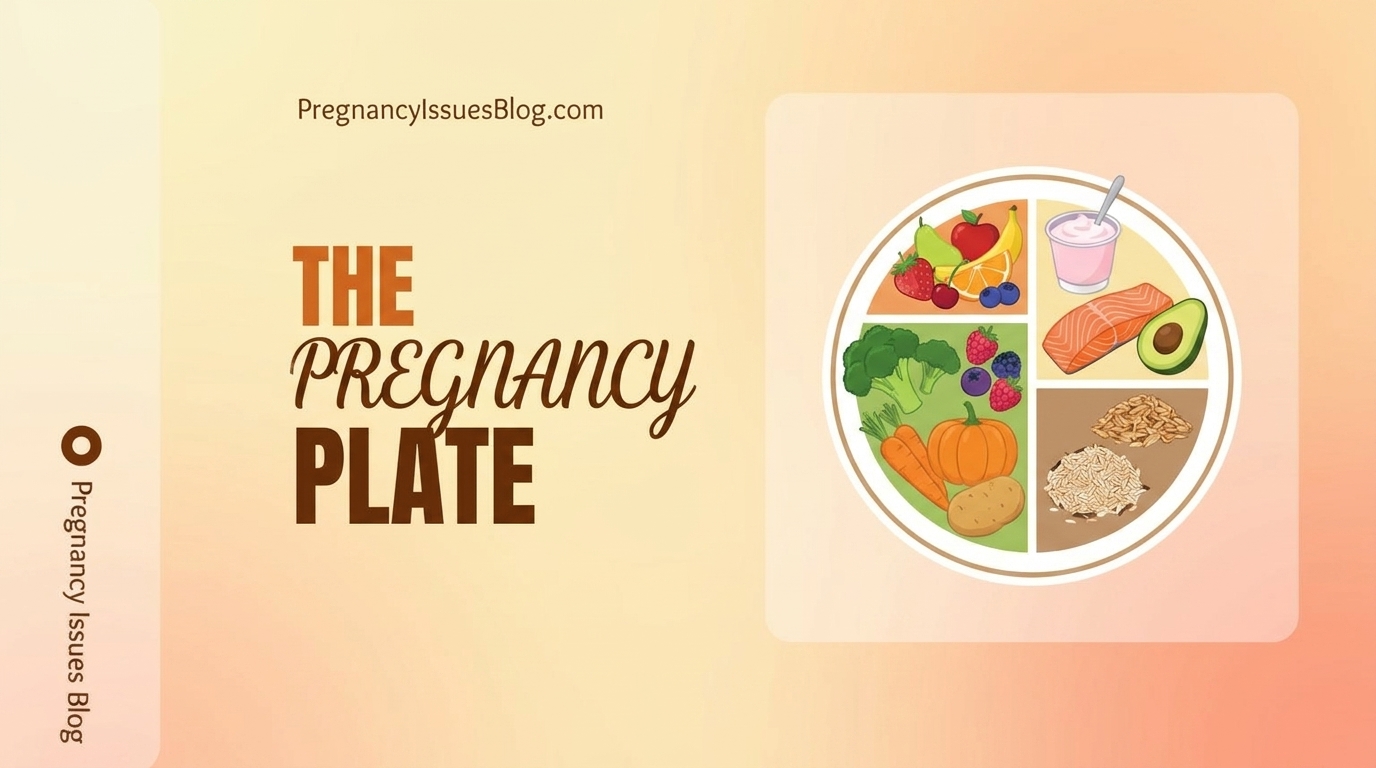
Here is how to build a high-performance pregnancy plate without the premium price tag.
Table of Contents
ToggleA Practical, Affordable Guide to Eating Well on a Budget
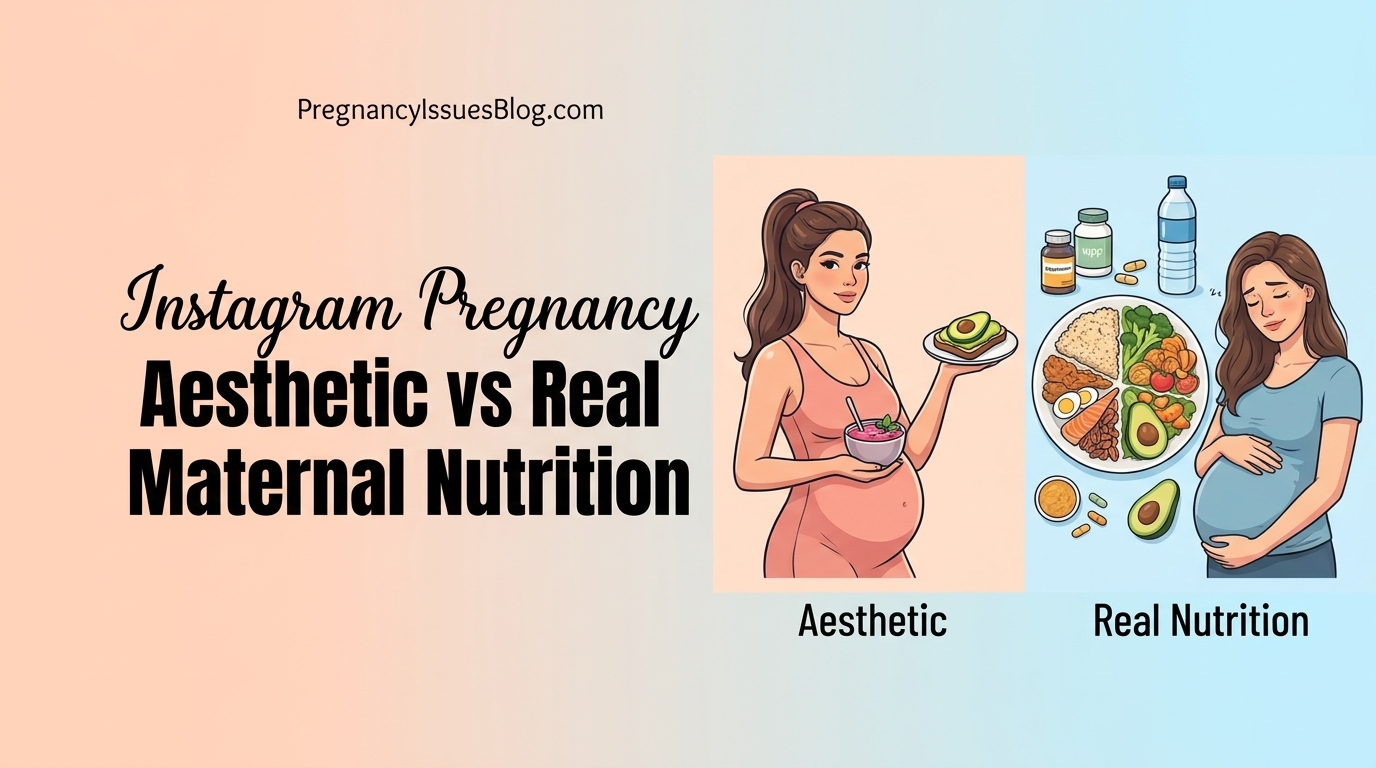
We’ve all seen the social media version of a “healthy pregnancy”: glass jars filled with $15 seeds, organic dragon fruit, and grass-fed steaks that cost more than a car payment.
It’s enough to make any expectant parent feel like they’re failing before they’ve even started.
But here’s the secret the “wellness” industry doesn’t want you to know: Nutrients don’t care about branding.
Your baby’s brain doesn’t know if the choline it’s using came from an organic, pasture-raised egg or a standard supermarket dozen.
1. The Budget Powerhouses
You don’t need exotic ingredients to grow a human.
You need a few reliable “superfoods” that have been sitting in plain sight all along.
-
The Humble Egg: Pound for pound, eggs are one of the most nutrient-dense foods on earth. They are packed with Choline, which is critical for brain development, and high-quality protein.
-
Frozen Fruits and Veggies: Flash-frozen at the peak of ripeness, frozen produce often contains more vitamins than “fresh” produce that has spent two weeks in a shipping container. Plus, they don’t rot in your crisper drawer.
-
Beans and Lentils: These are the ultimate budget hack. They are shelf-stable, incredibly cheap, and provide the Folate and Fiber you need to keep your energy up (and your digestion moving).
2. Strategic Shopping: Generic vs. Organic
The word “organic” can triple the price of a grocery bill. If you have a limited budget, prioritize where you spend.
Instead of buying everything organic, follow the “Clean Fifteen”, foods with thick skins (like avocados, onions, and sweet corn) that naturally have lower pesticide residues.
Save your “organic” dollars for the “Dirty Dozen” (like strawberries and spinach) only if you can afford it.
If not?
Wash your produce well and don’t lose sleep over it.
The benefit of eating a non-organic apple far outweighs the risk of not eating fruit at all.
Go Generic: For staples like oats, flour, Greek yogurt, and canned beans, the store-brand version is usually identical in nutritional value to the name-brand version.
3. Avoiding the “Takeout Trap”
The second trimester often brings hunger, but the first and third trimesters usually bring exhaustion.
When you’re too tired to cook, it’s tempting to hit a delivery app, which can easily eat up $30 for a single meal.
-
Batch Cook Early: If you’re having a high-energy day, make a massive pot of lentil soup or a large tray of roasted sweet potatoes.
-
The “Emergency” Shelf: Keep canned tuna (low-mercury options like Skipjack), whole-grain crackers, and peanut butter on hand. These are high-protein, zero-effort meals for when the “pregnancy hunger” hits and you can’t face the stove.
4. Hydration for Less
Pregnancy requires a significant increase in water intake to support amniotic fluid and increased blood volume.
You don’t need expensive electrolyte drinks or “maternity” waters.
-
The Tap is Fine: In most developed areas, tap water is perfectly safe.
-
Flavor Hacks: If plain water makes you nauseous, add a slice of lemon, cucumber, or a few frozen berries. It’s cheaper than buying flavored bottled water and contains zero added sugars.
Conclusion
Eating well during pregnancy isn’t about being fancy; it’s about being functional.
By focusing on whole, unprocessed staples and shopping strategically, you can provide your baby with everything they need to thrive without putting your financial future at risk.
Your stress levels matter just as much as your iron levels, so give yourself permission to shop at the discount aisle.