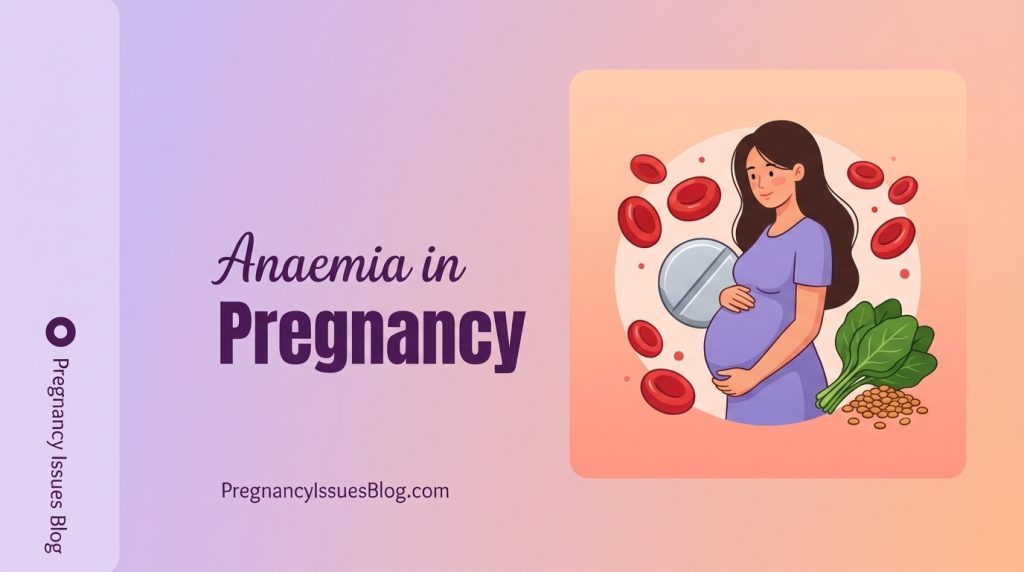
It’s the most common nutritional complication of pregnancy, yet it often gets brushed off as “just part of being tired.”
Statistics suggest that nearly 40-50% of pregnant women worldwide deal with anaemia.
If you feel like you’re walking through waist-deep water every time you cross the living room, it might not just be the “pregnancy glow” failing you, it might be your iron levels.
Here is the breakdown of why this happens and how to fix it.
Why Nearly Half of Pregnant Women Have It and What to Actually Do
Every pregnant woman expects to be tired.
You’re growing a person; it’s hard work.
But there is a specific type of fatigue that feels heavy, hollow, and persistent.
For nearly half of all expectant mothers, this isn’t just “pregnancy fatigue”, it’s anaemia.
Anaemia occurs when your body doesn’t have enough healthy red blood cells to carry adequate oxygen to your tissues and to your baby.
To understand why this is so common, we have to look at the incredible (and slightly overwhelming) math of pregnancy biology.
The “Watered-Down Soup” Analogy
During pregnancy, your total blood volume increases by about 50%.
Your body does this to ensure the placenta is well-perfused and the baby gets everything they need.
However, the plasma (the liquid part of your blood) often increases faster than the red blood cells.
Imagine making a pot of tomato soup.
If you add two cups of water but only half a cup of tomato paste, the soup becomes thin and watery.
That is essentially what happens to your blood.
If your iron intake doesn’t keep up with the massive expansion of blood volume, your blood becomes “diluted,” leading to iron-deficiency anaemia.
More Than Just Iron
While iron deficiency is the “usual suspect,” it isn’t the only culprit.
You might also be dealing with:
-
Folate Deficiency: Needed to make new cells (including red blood cells).
-
Vitamin B12 Deficiency: Essential for healthy red blood cell production and nervous system function.
Red Flags: When to Call Your Midwife
It is easy to dismiss symptoms, but keep an eye out for these specific signs:
-
Shortness of Breath: Feeling winded after walking up a single flight of stairs.
-
Palpitations: A racing heart or the feeling that your heart is skipping a beat.
-
Pica: An unusual craving for non-food items like ice, dirt, or laundry starch (this is a classic sign of severe iron deficiency).
-
Pallor: Check your lower eyelids. If the inside of the lid is pale pink or white instead of vibrant red, your iron might be low.
The Risks: Why We Take It Seriously
Anaemia isn’t just about feeling sluggish. If left untreated, it can lead to:
-
Low Birth Weight: The baby may not get enough oxygen to grow at an optimal rate.
-
Preterm Labor: Stress on the mother’s body can trigger early delivery.
-
Postpartum Complications: An anaemic mother has less “reserve” if she loses blood during delivery, leading to a much harder and longer recovery period.
The Action Plan: What to Actually Do
If your blood tests come back low, don’t panic. It is highly treatable.
1. Understand Your Iron Sources
Not all iron is created equal.
-
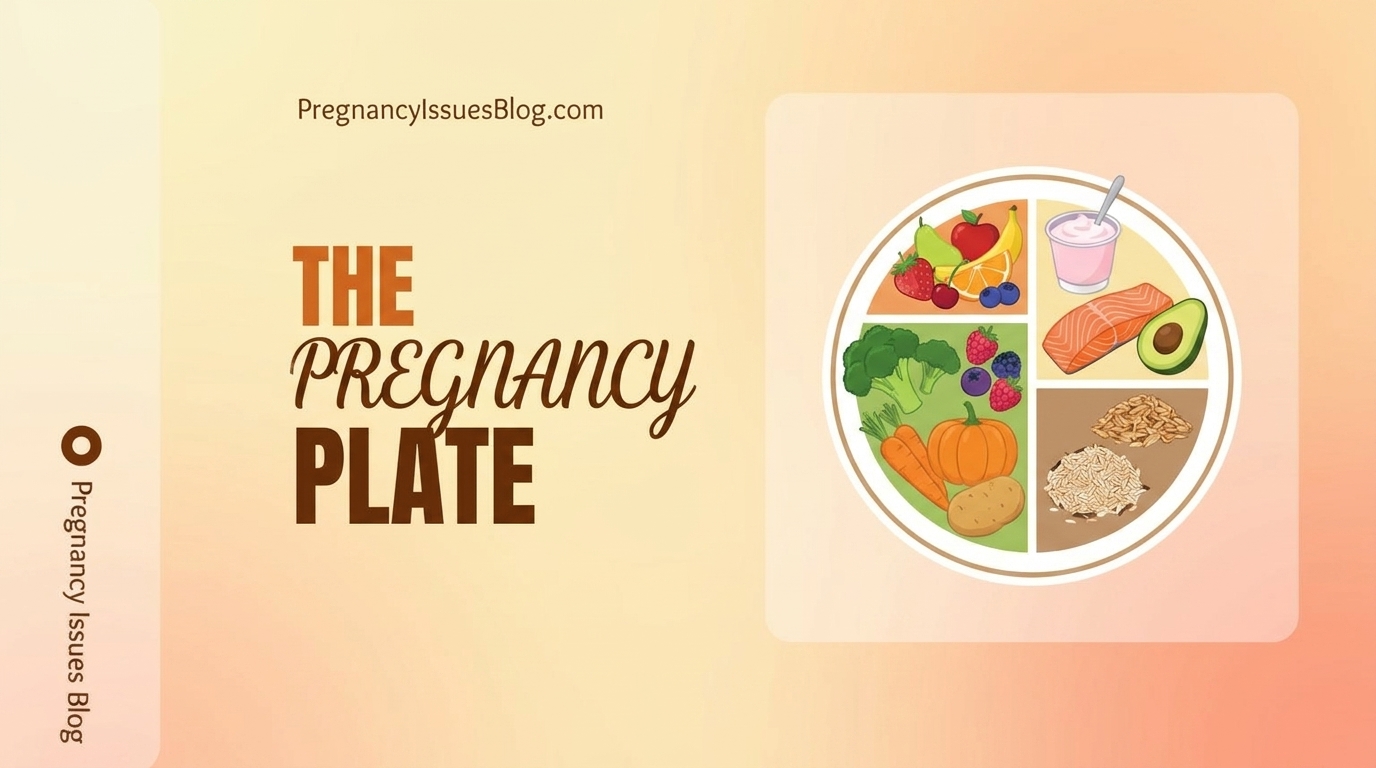
Heme Iron: Found in animal products (beef, chicken, fish). This is the “easy” iron that your body absorbs readily.
-
Non-Heme Iron: Found in plants (spinach, lentils, fortified cereals). This iron is “stubborn” and harder for the body to pull out.
2. The Absorption Secret: Vitamin C
If you are eating plant-based iron or taking a supplement, you must pair it with Vitamin C.
Drinking a glass of orange juice with your iron pill or adding bell peppers to your lentil salad can double or triple the amount of iron your body actually absorbs.
3. Avoid the “Blockers”
This is where many women go wrong.
Calcium, tea, and coffee all contain compounds that block iron absorption.
If you take your prenatal vitamin with your morning latte, you might be flushing that iron right out of your system.
Rule of Thumb: Keep tea, coffee, and dairy at least two hours away from your iron-rich meals or supplements.
Conclusion
Anaemia is a common hurdle, but it shouldn’t be a silent one.
If you feel “beyond tired,” advocate for a full blood count.
By focusing on the right food pairings and consistent supplementation, you can refill your “iron tank” and get back the energy you need for the final stretch of your pregnancy.