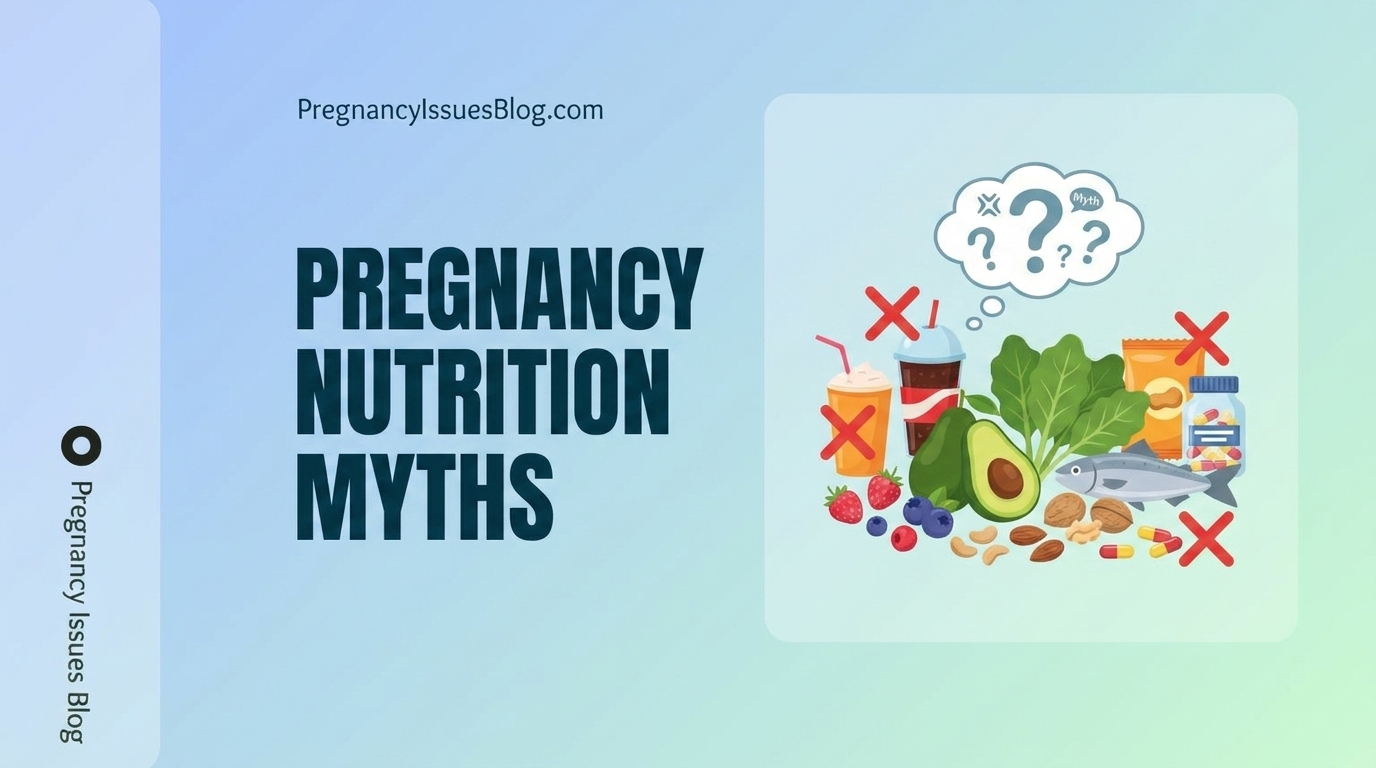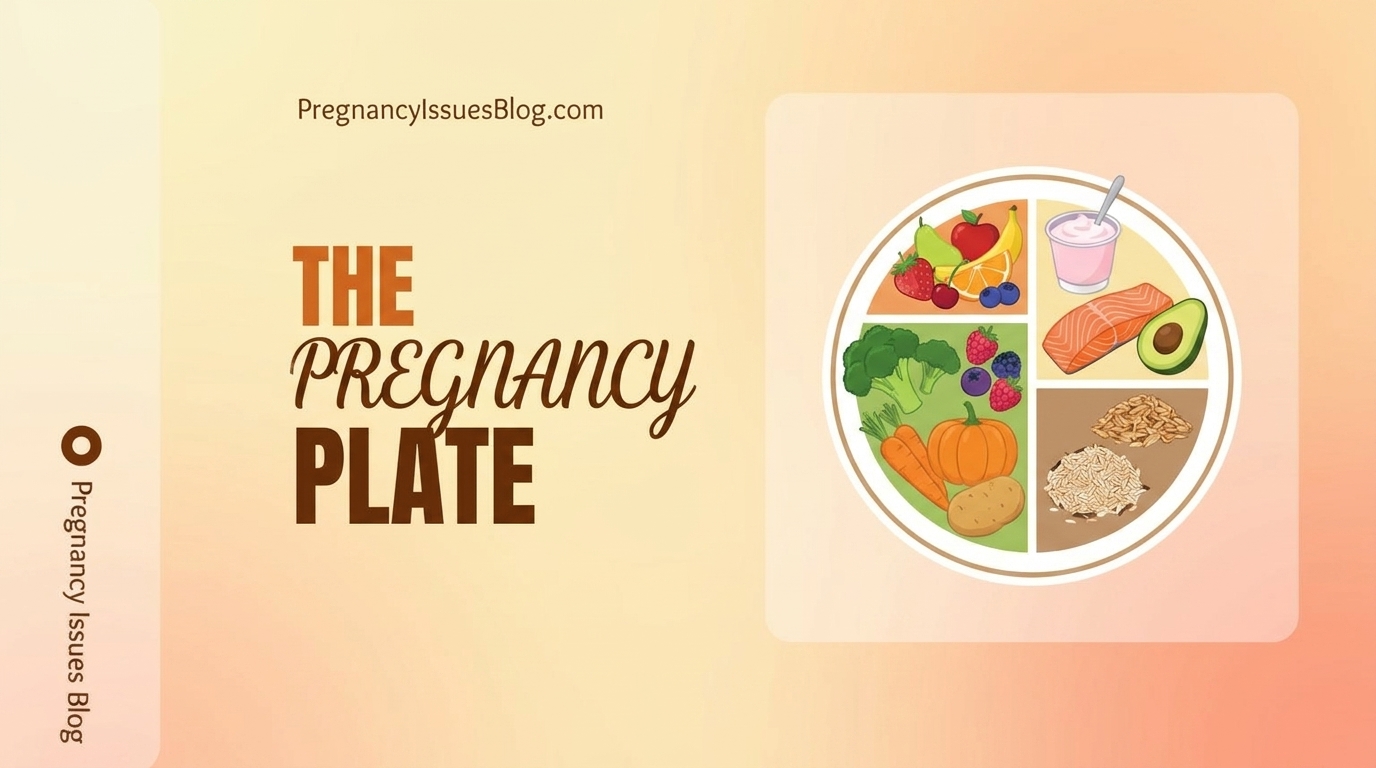

The moment that pregnancy test turns positive, your brain likely shifts into “protection mode.”
Suddenly, every sushi roll looks like a biohazard and your favorite skincare routine feels like a chemical minefield.
While we have more information than ever now at our fingertips, the sheer volume of “don’ts” can feel paralyzing.
The first trimester (weeks 1–12) is a critical window of development where your baby’s major organs are forming.
While you don’t need to live in a bubble, there are a few science-backed “no-gos” that are worth taking seriously.
Here’s the breakdown of what to skip while you’re growing those tiny fingernails.
Table of Contents
Toggle1. High-Mercury Fish
Fish is a fantastic source of omega-3 fatty acids, but some varieties carry a heavy load of methylmercury.
High levels of mercury can interfere with a baby’s developing brain and nervous system.
-
Avoid: Shark, swordfish, king mackerel, and tilefish.
-
The Swap: Opt for salmon, shrimp, or sardines instead.
2. Raw or Undercooked “Risky” Proteins
Your immune system is slightly suppressed during pregnancy, making you more susceptible to foodborne illnesses like Listeria, Salmonella, and E. coli.
-
Avoid: Sushi with raw fish, rare steaks, and “runny” eggs.
-
The Rule: Ensure all meats are cooked to safe internal temperatures and stick to “California rolls” (cooked crab/avocado) if you’re craving a sushi fix.
3. Unpasteurized Dairy and Soft Cheeses
Listeriosis is a rare but serious infection for pregnant women, and unpasteurized (raw) milk is its favorite hiding spot.
-
Avoid: Brie, Camembert, Feta, and Blue Cheese unless the label explicitly states they are made with pasteurized milk.
4. Excessive Caffeine
You don’t have to give up your morning ritual entirely, but moderation is key.
High caffeine intake has been linked to a higher risk of miscarriage and low birth weight.
-
The Limit: Most health organizations recommend capping your intake at 200 mg per day (roughly one 12-ounce cup of coffee).
5. Hyperthermia (Hot Tubs and Saunas)
In the first trimester, your baby is very sensitive to your core body temperature.
Raising your temperature above 102.2°F (39°C) for extended periods can increase the risk of neural tube defects.
-
The Rule: Skip the hot tub, steam room, and sauna. Stick to warm, not scalding, baths.
6. Retinoids and Harsh Skincare
That “pregnancy glow” sometimes comes with a side of “second puberty” acne. However, your usual skin-clearing arsenal might be too intense.
-
Avoid: Retin-A, Retinol, and high-dose Salicylic Acid. These derivatives of Vitamin A have been linked to birth defects when used in high concentrations.
-
The Swap: Bakuchiol or Azelaic Acid are generally considered safer alternatives.
7. Cleaning the Cat Litter Box
If you have a cat, this is your official “get out of jail free” card.
Cat feces can carry a parasite called Toxoplasma gondii, which causes toxoplasmosis, an infection that can be very dangerous for a developing fetus.
-
The Fix: Have someone else handle the litter, or wear gloves and a mask if you absolutely must do it yourself.
8. Self-Medicating with OTC Drugs
Common over-the-counter meds that felt safe before can be tricky now.
-
Avoid: NSAIDs like Ibuprofen (Advil/Motrin) or Aspirin, especially in the first trimester, unless specifically directed by your doctor.
-
The Safe Bet: Acetaminophen (Tylenol) is typically the go-to for pain relief, but always clear it with your OB-GYN first.
9. Heavy Chemical Exposure (BPA & Phthalates)
In 2026, we are more aware than ever of endocrine disruptors. These chemicals can mimic hormones and interfere with fetal development.
-
Avoid: Microwaving plastic containers (which releases BPA) and using highly fragranced “plug-in” air fresheners or cleaning products containing phthalates.
10. Alcohol and Nicotine
There is no known “safe” amount of alcohol during pregnancy.
It crosses the placenta directly and can lead to Fetal Alcohol Spectrum Disorders. Similarly, nicotine (including vaping) restricts oxygen to the baby.
-
The Reality: This is the most important “avoid” on the list for long-term health.
Conclusion
It feels like a lot to remember, but most of these adjustments become second nature after a few weeks.
Don’t beat yourself up if you accidentally ate a piece of feta before checking the label, the goal is consistency, not perfection.
Focus on staying hydrated, taking your prenatal, and getting as much rest as your “organ-building” body demands.