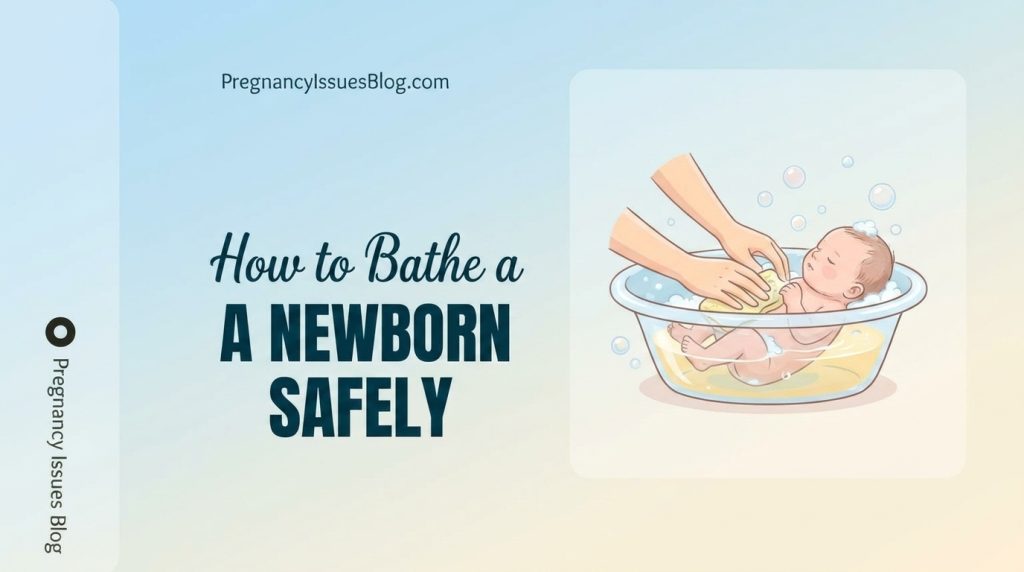
The first bath is often a mix of adorable photo-ops and high-stakes nerves.
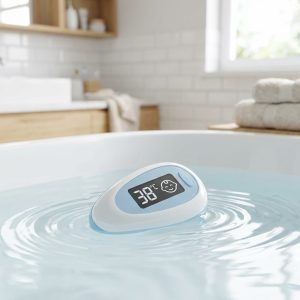
With high-tech tubs with built-in digital thermometers, the actual physics of washing a slippery, squirming newborn remains a hands-on skill.
The most important thing to remember is that babies are not nearly as dirty as we think they are.
Unless there’s been a “diaper disaster,” two to three baths a week are usually plenty to keep their delicate skin healthy.
Here is your step-by-step guide to navigating the suds without the stress.
1. Sponge Bath vs. Tub Bath
Before you reach for the rubber ducky, check the umbilical cord.
-
Sponge Bath: This is mandatory until the umbilical cord stump falls off and the area is completely healed (usually 1–3 weeks). You simply lay the baby on a flat, padded surface and use a warm, damp cloth.
-
Tub Bath: Once the cord is gone, you can transition to a shallow infant tub.

2. The Prep Phase: The “No-Abandon” Rule
The most dangerous thing you can do during a bath is walk away to grab a towel.
Before a drop of water touches the baby, gather:
-
A basin or infant tub.
-
Two washcloths (one for washing, one to keep on the baby’s chest for warmth).
-
Fragrance-free, pH-neutral baby soap.
-
A hooded towel.
-
A fresh diaper and clean clothes.
3. The Perfect Environment
Newborns lose body heat up to four times faster than adults.
Ensure the room is warm, around 24°C (75°F).
For the water, aim for a temperature between 37-38°C (98.6-100.4°F).
The Elbow Test: If you don’t have a digital thermometer, use your elbow, not your hand. Your elbow is more sensitive to heat and will give a more accurate reading of how the water will feel on the baby’s thin skin.
4. Step-by-Step: Head to Toes
-
Eyes First: Dip a clean washcloth in plain water (no soap). Wipe from the inner corner of the eye outward. Use a fresh section of the cloth for the second eye.
-
The Face: Wash the rest of the face with plain water.
-
The Body: Add a tiny drop of soap to the water or cloth. Wash the neck (check those skin folds!), arms, and chest.
-
The Diaper Area: Save the “dirtiest” part for last. Ensure you clean thoroughly between all creases.
-
The Hair: Tilt the baby’s head back slightly to avoid getting soapy water in their eyes. Massage a tiny amount of soap into the scalp and rinse with a cup of warm water.
5. Aftercare and Safety
Once the bath is over, move quickly.
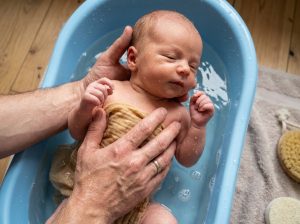
Lift the baby out with both hands (they are slippery!) and wrap them immediately in a hooded towel.
Pat, don’t rub the skin dry.
-
Cord Care: If the cord is still attached, ensure it is patted dry.
-
Moisturizing: Most newborns don’t need lotion unless their skin is peeling or very dry. If you use it, stick to fragrance-free, hypoallergenic options.
The Bathing Safety Checklist
| Category | Requirement | Why it Matters |
| Water Level | 2-3 inches | Prevents drowning risk while keeping baby warm. |
| Grip | One hand on baby at all times | Newborns are slippery when wet. |
| Soap | Fragrance-free/pH-neutral | Protects the delicate skin barrier. |
| Duration | 5 -10 minutes | Prevents the baby from getting too cold. |
| Frequency | 2-3 times per week | Avoids drying out the skin. |
Conclusion
Bathing your newborn is a skill that improves with practice.
In those early weeks, it’s less about “getting clean” and more about the sensory experience of warm water and your gentle touch.
Keep it short, keep it warm, and always keep a hand on your baby.