The “bounce back” culture of the early 2000s has finally been relegated to the archives.
Now, we recognize that your body didn’t just “gain weight”, it underwent a massive biological restructuring to build a human life.
Postpartum weight loss isn’t about fitting into old jeans by next Tuesday; it’s about restoration.
If you approach your body with the same strategic patience you’d apply to a long-term investment, the results will be sustainable.
If you rush it, you risk your hormonal health and physical recovery.
Here is the evidence-based guide to reclaiming your strength safely.
Table of Contents
Toggle1. Respect the Biological Timeline
Before you even look at a scale, remember that your body is in a state of high-intensity repair.
Your blood volume, uterine size, and hormonal floor are all recalibrating.
The standard medical advice is to wait at least 6 weeks for a vaginal birth and 8 to 10 weeks for a C-section before attempting any caloric deficit or intense exercise.
Rushing this can lead to pelvic organ prolapse or issues with the healing of abdominal incisions.
2. The Metabolic Math of Breastfeeding
If you are nursing, your body is essentially running a mini-marathon every day.
On average, producing milk requires an additional expenditure of roughly 500 kcal/day.
To calculate your estimated energy requirements (EER) for safe weight loss while nursing, we can use the following formula:
Where:
-
BMR: Basal Metabolic Rate
-
TEE: Total Energy Expenditure (daily activity)
-
E-milk: Energy for milk production (≈ 500 kcal)
-
-500: A conservative deficit for weight loss.
Note: Dropping below 1,800 kcal per day can cause your milk supply to plummet. The quality of calories is more important than the quantity.
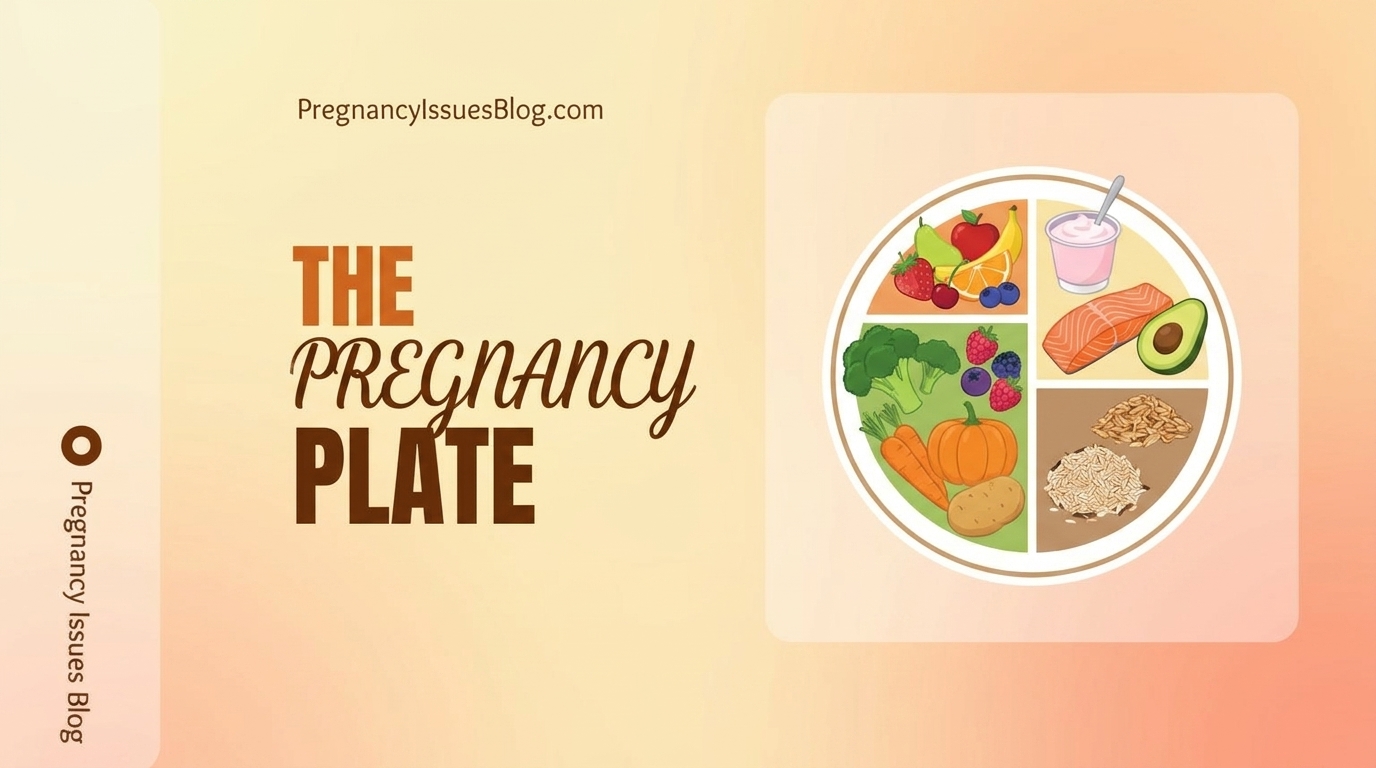
3. Nutritional Architecture: Focus on Density
Postpartum is not the time for “cabbage soup” diets. Your tissues need raw materials to knit back together.
-
Protein: Essential for repairing the pelvic floor and abdominal wall.
-
Omega-3s: Critical for brain health (yours and the baby’s) and reducing systemic inflammation.
-
Iron (Fe): Most new parents are slightly anemic. Replenishing iron stores helps fight the fatigue that often leads to “sugar-crashing” and overeating.
4. Movement: Stability Before Intensity
Most people want to start with cardio to “burn fat,” but postpartum weight loss is more successful when you focus on alignment first.
-
Check for Diastasis Recti: This is the separation of the abdominal muscles. If you have a significant gap, traditional crunches or planks can actually make your “mom pooch” worse by pushing the organs against the weakened connective tissue.
-
The Pelvic Floor: If you experience leaking when you sneeze or jump, your body is telling you it isn’t ready for high-impact movement. Focus on diaphragmatic breathing and gentle transverse abdominis engagement.
5. The Cortisol Factor (C_21 H_30 O_5)
You can have the perfect diet, but if you are chronically sleep-deprived and stressed, your weight loss will stall.
Stress triggers the release of Cortisol.
High levels of cortisol signal the body to store fat, specifically visceral fat around the midsection, as a survival mechanism.
We now prioritize “circadian hygiene.”
If you have to choose between a 30-minute workout and a 30-minute nap, take the nap.
Lowering your cortisol levels will do more for your waistline than a frantic HIIT session on four hours of sleep.
Safe Restoration vs. Risky Rush
| Category | Safe Restoration (Success) | Risky Rush (Warning) |
| Timeline | Starting after the 6-week checkup. | Starting “cleanses” in week 2. |
| Rate of Loss | 0.5 to 1 lb per week. | Losing 3+ lbs per week (muscle loss). |
| Exercise | Pelvic floor and core reconnection. | Running or heavy lifting immediately. |
| Nutrition | High-protein, nutrient-dense meals. | Restricting calories below 1,500. |
| Mindset | Healing a body that built a human. | “Fixing” a body that is “broken.” |
Conclusion
Losing baby weight safely is a marathon of consistency, not a sprint of deprivation.
By focusing on your internal chemistry, balancing your hormones, fueling your tissues, and respecting your timeline, you aren’t just losing weight; you are building a stronger, more resilient version of yourself.
Your body did something incredible.
Treat it with the respect a CEO gives their most valuable asset.