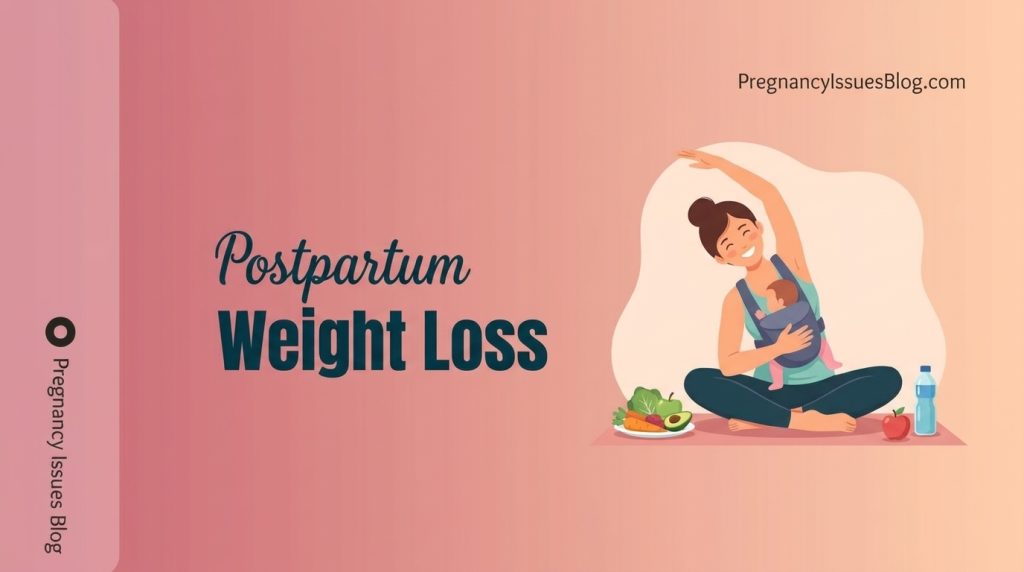
We now finally traded the “snap back” culture for a much more grounded, science-based approach to postpartum health.
Your body didn’t just “gain weight” over the last nine months; it performed a total biological overhaul to create life.
Expecting it to return to its previous state in a matter of weeks isn’t just unrealistic, it’s a metabolic insult.
If you are looking to reclaim your strength and shed the extra weight, the key is to work with your biology rather than against it.
Here is the unfiltered truth about what actually moves the needle and what is just noise.
Table of Contents
Toggle1. What Doesn’t Work: The Pitfalls
In a world of “detox teas” and “waist trainers,” it’s easy to get distracted by things that provide zero long-term value.
-
Aggressive Caloric Deficits: Cutting your calories too low, especially in the first 12 weeks, can backfire. Your body is in a state of repair. If it senses a famine, it will aggressively hold onto fat stores as a survival mechanism.
-
High-Impact Cardio Too Soon: Running or jumping before your pelvic floor has healed can lead to long-term issues like prolapse or incontinence. Fat loss doesn’t require a treadmill; it requires a functional metabolism.
-
Fad Diets while Breastfeeding: Extreme restriction can tank your milk supply and lead to “brain fog.” Your body needs specific micronutrients to produce milk and heal tissues.
2. The Hormonal Reality
Postpartum weight loss is governed by your endocrine system.
Two major players often dictate your progress:
-
Cortisol: The stress hormone. Between sleep deprivation and the physical stress of recovery, your cortisol levels are likely high. Elevated cortisol encourages the body to store “visceral fat” around the midsection.
-
Prolactin: If you are breastfeeding, high prolactin levels help produce milk but can also make your body more resistant to weight loss. This is nature’s way of ensuring you have energy reserves for the baby.
3. What Actually Works: The Strategy
The most successful postpartum transformations focus on body composition rather than just the number on the scale.
Prioritize Protein
Protein is the most thermogenic macronutrient.
It requires more energy to digest and keeps you satiated longer.
Aim for high-quality sources to provide the amino acids necessary for repairing abdominal and pelvic tissues.
Resistance Training
Building (or maintaining) muscle is the best way to increase your Basal Metabolic Rate (BMR).
Muscle is metabolically expensive tissue; the more you have, the more calories you burn at rest.
Start with gentle core reconnection and progress to weighted movements once cleared by your provider.
Focus on NEAT
Non-Exercise Activity Thermogenesis (NEAT) is the energy expended for everything we do that is not sleeping, eating, or sports-like exercise.
Walking with the stroller is the “secret weapon” of postpartum fat loss.
It’s low-impact, lowers Cortisol, and adds up significantly over a week.
4. The Sleep Paradox
It sounds like a cruel joke to tell a new parent to sleep more, but here is the math:
When you are chronically sleep-deprived, your brain craves high-calorie, sugary foods for quick energy.
If you have to choose between a 30-minute workout and a 30-minute nap, take the nap.
The hormonal regulation from sleep will do more for your weight loss than a frantic workout on a “dead battery.”
Postpartum Weight Loss: Fact vs. Fiction
| The Myth | The 2026 Reality |
| “Breastfeeding melts the weight off.” | For some, yes. For others, it causes the body to hold onto 5-10 lbs for “safety.” |
| “Crunches will fix the mom-pooch.” | Crunches can worsen Diastasis Recti. Focus on deep transverse abdominis work. |
| “You need to do fasted cardio.” | Fasted cardio can spike Cortisol in postpartum women, potentially stalling progress. |
| “The scale is the only metric.” | Measurements and “how clothes fit” are better indicators of fat loss and muscle gain. |
Conclusion
Postpartum restoration is a marathon, not a sprint.
By focusing on high-protein nutrition, functional movement, and managing your stress levels, you aren’t just “losing weight”; you are rebuilding a stronger, more resilient version of yourself.
Your body did something incredible; give it the time and the nutrients it deserves to find its new equilibrium.
Are you finding that your biggest challenge is finding the time for structured movement, or is the nutritional side of things more difficult to manage right now?