Have you ever found yourself staring at a pregnancy test, heart racing, unsure of how to interpret those mysterious lines or symbols?
You’re not alone.
The moment of taking a pregnancy test can be filled with a whirlwind of emotions – excitement, anxiety, hope, or even fear. 🤔💓
Whether you’re actively trying to conceive or this is an unexpected surprise, understanding your pregnancy test results is crucial.
But let’s face it: those tiny windows and faint lines can be confusing. What does it mean if there’s a second line, but it’s barely visible?
Or what if the test says “error”?
Don’t worry, we’ve got you covered! In this guide, we’ll walk you through everything you need to know about interpreting pregnancy test results, from the clear-cut positives to the head-scratching uncertainties.
Get ready to demystify those little sticks and gain the confidence to understand what your body is telling you.
Understanding Pregnancy Test Results
Types of pregnancy tests
When it comes to pregnancy tests, you have two main options: urine tests and blood tests.
Urine tests are the most common and can be done at home or in a doctor’s office.
Blood tests, on the other hand, are typically performed by healthcare professionals and are more sensitive.
How pregnancy tests work
Pregnancy tests detect the presence of human chorionic gonadotropin (hCG), a hormone produced after implantation.
As your pregnancy progresses, hCG levels increase, making it easier for tests to detect. Urine tests use antibodies to react with hCG, while blood tests measure the exact amount of hCG in your system.
Reading test results accurately
To ensure accurate results, you should:
-
Follow the instructions carefully
-
Use first-morning urine for best results
-
Wait the recommended time before reading the results
-
Check the test’s expiration date
-
Avoid taking medications that may interfere with the test
Common result indicators
Different tests use various symbols to indicate results:
-
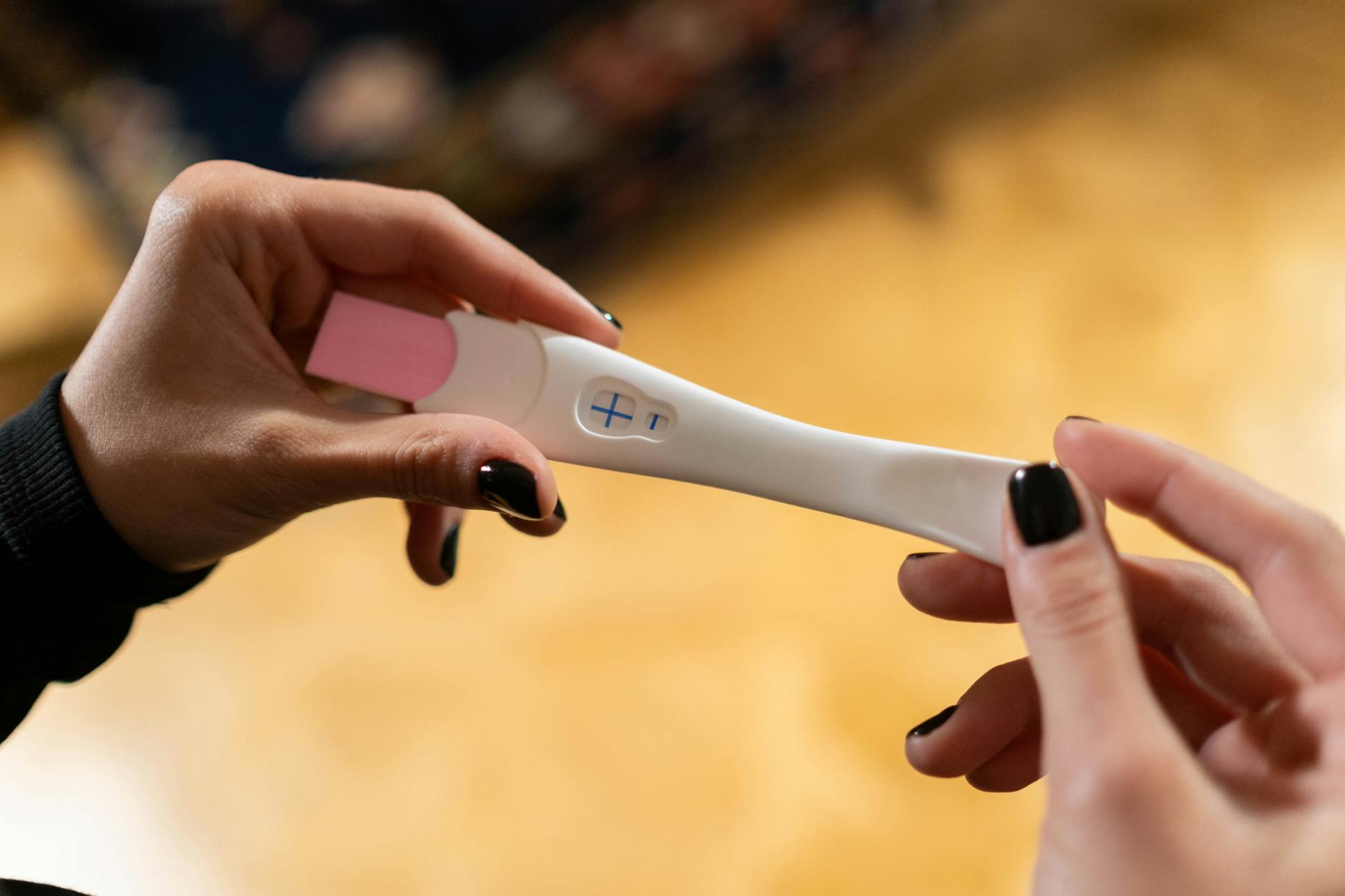
Two lines or a plus sign: Positive
-
One line or a minus sign: Negative
-
Faint line: Possible early positive, retest in a few days
-
Digital tests: “Pregnant” or “Not Pregnant”
Remember, if you’re unsure about your results or have any concerns, consult with your healthcare provider for confirmation and guidance on your next steps.

Positive Pregnancy Test Results
Confirming the result
When you see those two lines or a “+” sign on your pregnancy test, it’s natural to feel a mix of emotions. Before jumping to conclusions, it’s essential to confirm your result. You can do this by:
-
Taking another test from a different brand
-
Waiting a few days and testing again
-
Scheduling an appointment with your healthcare provider for a blood test
Next steps after a positive test
Once you’ve confirmed your pregnancy, it’s time to take action. Here are some important steps to consider:
-
Schedule a prenatal appointment
-
Start taking prenatal vitamins
-
Review your lifestyle habits and make necessary changes
-
Consider telling close family or friends for support
False positive possibilities
While rare, false positives can occur. You might experience a false positive if:
-
You’re taking certain medications
-
You have a medical condition that affects hormone levels
-
The test is expired or was not used correctly
Emotional reactions to a positive result
Your emotional response to a positive pregnancy test can vary greatly. You might feel:
-
Excitement and joy
-
Anxiety or fear
-
Overwhelmed or uncertain
Remember, these feelings are normal. It’s okay to take time to process this life-changing news.
If you’re feeling overwhelmed, don’t hesitate to reach out for support from loved ones or a professional counselor.
Now that you understand what a positive pregnancy test means, let’s explore what negative results could indicate.
Negative Pregnancy Test Results
Interpreting a negative result
When you see a negative result on your pregnancy test, it typically means you’re not pregnant. Most home pregnancy tests are highly accurate when used correctly.
However, it’s essential to understand that a negative result doesn’t always rule out pregnancy entirely.
Reasons for a false negative
Several factors can lead to a false negative result:
-
Testing too early
-
Using diluted urine
-
Not following instructions correctly
-
Using an expired test
-
Certain medications interfering with the test
When to retest
If you suspect you might be pregnant despite a negative result, consider retesting:
-
One week after your missed period
-
If you experience early pregnancy symptoms
-
If your period doesn’t start within a week of the negative test
Coping with disappointment
A negative result can be disappointing if you’re trying to conceive. Remember:
-
It’s normal to feel upset
-
Talk to your partner or a trusted friend
-
Focus on self-care and wellness
-
Consider consulting a fertility specialist if you’ve been trying for a while
With this in mind, it’s important to understand that timing plays a crucial role in pregnancy testing.
Let’s explore when the best time is to take a pregnancy test for the most accurate results.

Inconclusive or Faint Test Results
Sometimes, you might find yourself staring at a pregnancy test, unsure of what you’re seeing.
Is that a faint line or just your imagination?
Inconclusive or faint test results can be frustrating, but understanding the causes and knowing what to do next can help you navigate this uncertain situation.
Causes of unclear results
Several factors can lead to unclear pregnancy test results:
-
Taking the test too early
-
Using diluted urine
-
Expired or faulty test kit
-
Certain medications interfering with the results
-
Very early pregnancy with low hCG levels
Retesting strategies
If you’ve encountered a faint line or an unclear result, consider these retesting strategies:
-
Wait 2-3 days before testing again
-
Use first morning urine for the most concentrated sample
-
Try a different brand of pregnancy test
-
Ensure you’re following the instructions precisely
Seeking professional confirmation
When in doubt, it’s always best to consult a healthcare professional. They can:
-
Perform a blood test for more accurate results
-
Conduct an ultrasound to confirm pregnancy
-
Provide guidance on next steps based on your individual situation
Remember, a faint line on a pregnancy test often indicates a positive result, but it’s not definitive.
If you’re unsure about your test results, don’t hesitate to seek professional advice for clarity and peace of mind.

Timing of Pregnancy Tests
Best time to take a test
You might be eager to know if you’re pregnant, but timing is crucial for accurate results. The best time to take a pregnancy test is typically one week after your missed period.
This allows enough time for your body to produce detectable levels of hCG (human chorionic gonadotropin), the pregnancy hormone.
Early detection options
If waiting feels impossible, you have early detection options:
-
Some home pregnancy tests claim to detect pregnancy up to 6 days before your missed period
-
Blood tests at your doctor’s office can detect pregnancy earlier than urine tests
-
Digital tests often provide clearer results for early testing
However, remember that earlier tests are more likely to give false negatives.
Factors affecting test accuracy
Several factors can influence the accuracy of your pregnancy test:
-
Timing: Testing too early can lead to false negatives
-
Hydration: Very diluted urine may affect results
-
Medications: Some drugs can interfere with test accuracy
-
Test quality: Not all tests are created equal
-
User error: Incorrect use can lead to inaccurate results
For the most reliable results, you should follow the test instructions carefully and consider taking multiple tests over time.
If you’re unsure about your results or have concerns, consult with your healthcare provider for guidance and confirmation.
After the Test: What Comes Next
Scheduling a doctor’s appointment
Once you’ve taken a pregnancy test, your next step is to schedule an appointment with your healthcare provider.
This is crucial whether your test is positive or negative. If positive, your doctor will confirm the pregnancy and discuss prenatal care.
If negative but you’re still experiencing symptoms, they can help determine the cause.
Lifestyle changes to consider
After a positive test, you’ll want to make some immediate lifestyle changes:
-
Quit smoking and avoid alcohol
-
Start taking prenatal vitamins
-
Adjust your diet to include more nutritious foods
-
Limit caffeine intake
-
Avoid raw or undercooked foods
Even with a negative result, these changes can benefit your overall health and prepare your body for future pregnancy attempts.
Planning for prenatal care
If your test is positive, it’s time to start thinking about prenatal care. This includes:
-
Choosing an obstetrician or midwife
-
Learning about recommended prenatal tests and screenings
-
Understanding the typical pregnancy timeline
-
Considering your birth plan preferences
Sharing the news with others
Deciding when and how to share your pregnancy news is a personal choice. You might want to:
-
Tell your partner first
-
Wait until after the first trimester when the risk of miscarriage decreases
-
Share with close family and friends before announcing more widely
Remember, there’s no rush. Take the time you need to process the news yourself before sharing with others.

If your result was negative or inconclusive, consider retesting in a few days or speaking with your healthcare provider about other potential causes for your symptoms.
Whatever your result, you now have the information you need to take the next steps in your reproductive health journey.