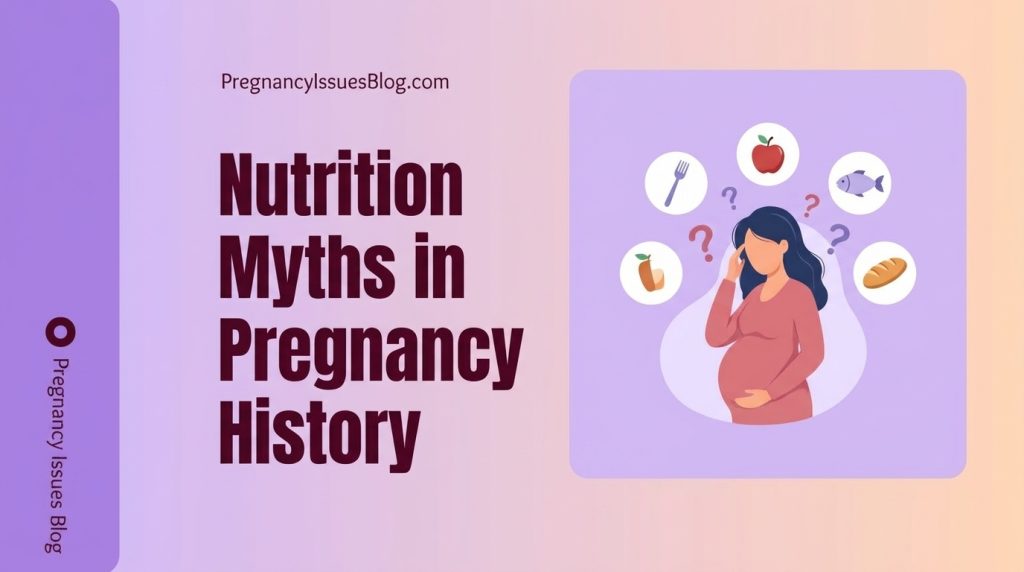
Let’s be honest: “Eating for two” is the ultimate nutritional hall pass.
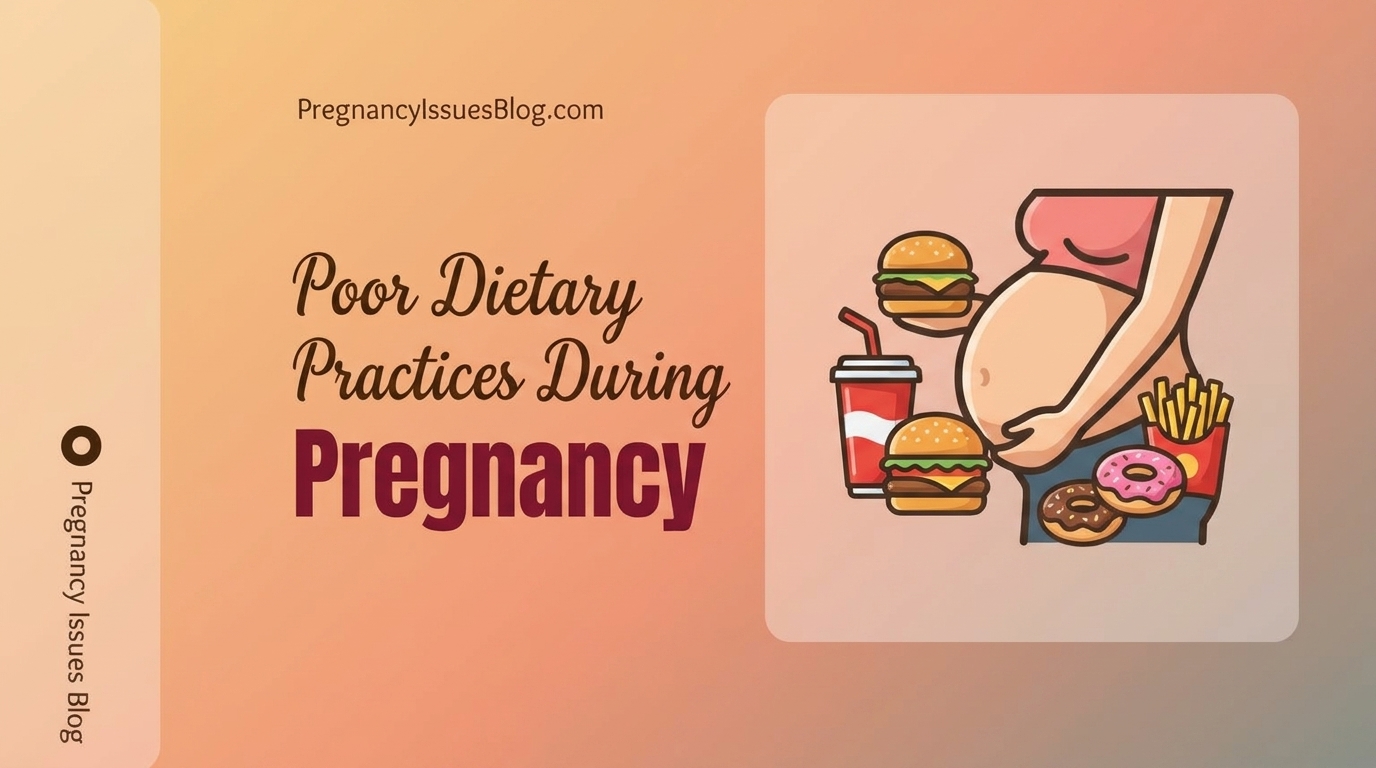
It’s the phrase well-meaning aunts use to push a second slice of pie onto your plate, and the justification we use when the 11:00 PM cravings for a double cheeseburger hit. It feels like a hug in verbal form.
But in the world of modern maternal health, this “license to eat” is increasingly viewed as one of the most damaging pieces of advice in pregnancy history.
While it sounds like a directive to nourish, it often functions as a green light for excessive weight gain that carries lifelong consequences for both mother and child.
Table of Contents
ToggleWhy “Eating for Two” Is One of the Most Harmful Nutrition Myths in Pregnancy History
If pregnancy were a marathon, “eating for two” would be the equivalent of trying to run it while carrying a backpack full of lead weights.
We’ve been told for generations that because we are “growing a human,” we need to double our intake.
But biology has a very different math equation in mind.
1. The Math Problem: A Lemon vs. A Linebacker
The biggest issue with the myth is that it ignores the actual size and caloric needs of a fetus.
In the first trimester, your baby is roughly the size of a lime.
A lime does not require an extra 1,500 calories a day to function.
According to most major health organizations, including the WHO and ACOG, the caloric requirements for pregnancy are surprisingly modest:
-
First Trimester: 0 extra calories. (Your body is becoming more efficient; you don’t need extra fuel yet).
-
Second Trimester: Approximately 340 extra calories.
-
Third Trimester: Approximately 450 extra calories.
To put that into perspective, 450 calories is a peanut butter and banana sandwich or a large bowl of Greek yogurt with berries.
It is a snack, not an entire second person’s worth of food.
2. The Maternal Cost: Beyond the Scale
When we follow the “eating for two” mantra, we often end up with Excessive Gestational Weight Gain (EGWG).
This isn’t about “getting back into your jeans”; it’s about metabolic safety.
Excessive weight gain is one of the primary drivers of Gestational Diabetes.
When you flood your system with more glucose than your placenta-stressed insulin can handle, you put your internal organs under immense strain.
Furthermore, the inflammation associated with rapid, excessive weight gain is a known risk factor for Preeclampsia, a dangerous spike in blood pressure that can lead to preterm birth or maternal organ failure.
3. Fetal Macrosomia: The “Big Baby” Trap
There is a cultural belief that a “big, chunky baby” is a healthy baby.
While a healthy birth weight is vital, Macrosomia (a baby weighing more than 4,000 grams or 8lb 13oz) is a clinical complication.
Babies born to mothers who over-ate during pregnancy are at a higher risk for “shoulder dystocia” during delivery, where the baby’s shoulders get stuck, often leading to emergency surgical interventions.
But the risk doesn’t end in the delivery room.
The “Thrifty Gene” Effect: If a baby is exposed to excessive glucose in the womb, their own metabolism begins to “program” itself for a high-calorie environment. This increases their risk of childhood obesity and Type 2 diabetes before they even reach middle school.
4. Quality Over Quantity: The Shift
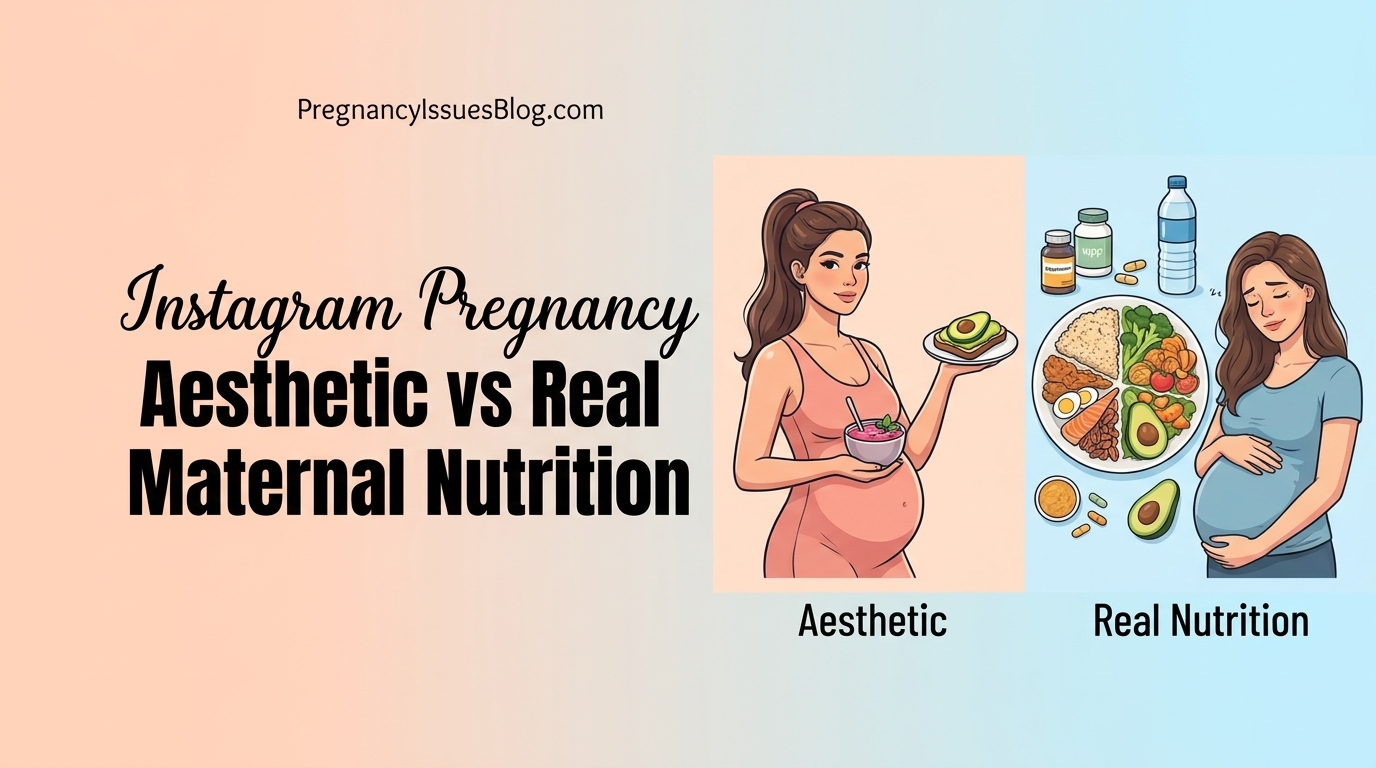
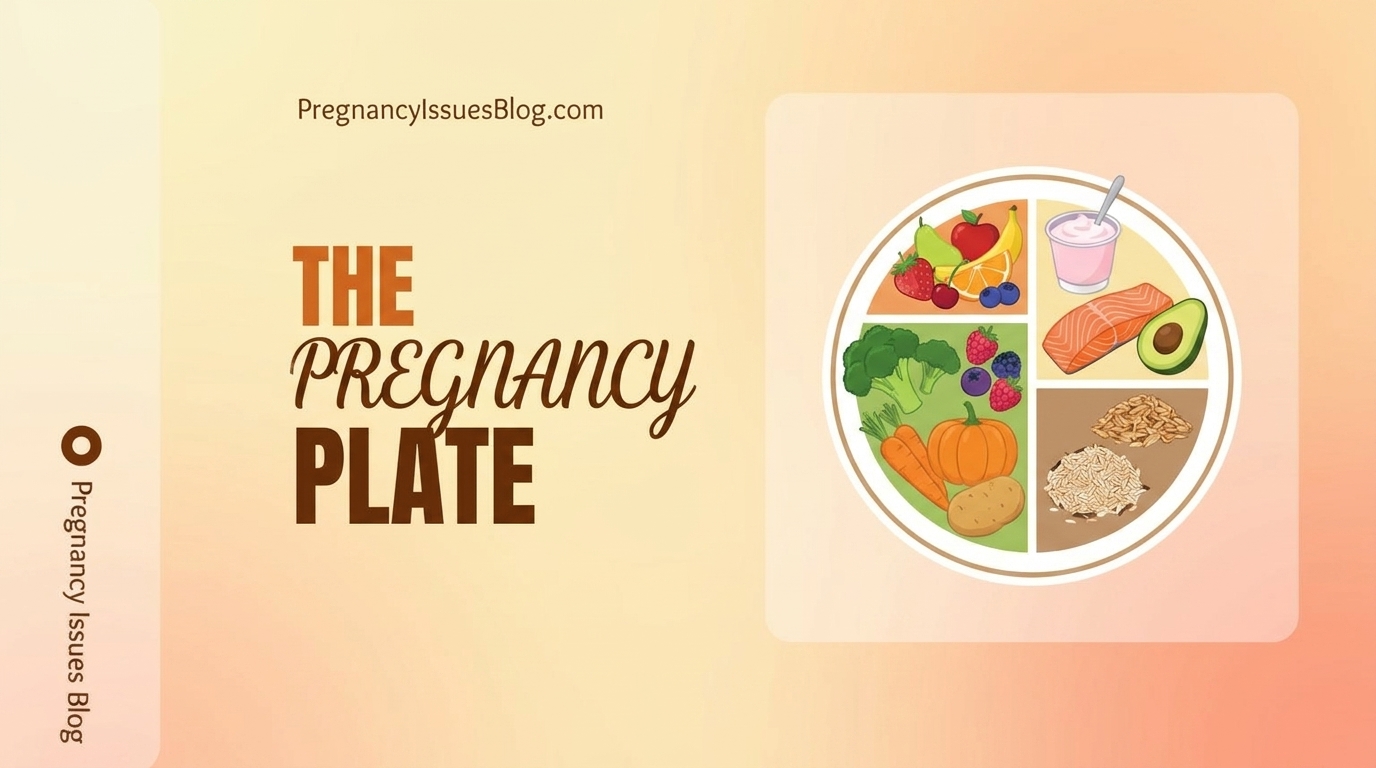
Now, we are moving away from the “Double Plate” and toward the “Dense Plate.”
Instead of asking “How much more can I eat?”, the question should be “How much more nutrient-dense can I make this?”
Your baby doesn’t need “double” the pasta; they need double the Choline for their brain, double the Iron for their blood, and double the Folate for their spine.
-
Instead of two donuts: Try one apple with almond butter.
-
Instead of two bowls of pasta: Try one bowl of pasta with added lean protein and two cups of spinach wilted in.
Conclusion
“Eating for two” was likely born out of a time when food scarcity was a real threat to maternal survival.
But in our modern world of calorie-dense, nutrient-poor options, this myth has become a liability.
You aren’t eating for two people; you are eating for one person and one building project.
A builder doesn’t need twice the food to build a house; they just need the right materials and enough energy to stay on the job.
Let’s retire the “license to overeat” and replace it with the “permission to nourish.”