
Pregnancy doesn’t mean putting your fitness routine on pause! 🏋️♀️👶 In fact, staying active during these nine months can be one of the best things you do for yourself and your baby. But if you’re feeling uncertain about how to approach workouts while expecting, you’re not alone.
Many expectant mothers worry about the safety of exercising during pregnancy. Will it harm the baby? What if I overdo it?
These concerns are valid, but here’s the good news: with the right knowledge and precautions, working out during pregnancy can be incredibly beneficial. From boosting your mood to preparing your body for labor, the advantages are numerous.
In this guide, we’ll walk you through everything you need to know about staying fit while expecting. You’ll discover safe exercises tailored for pregnant women, learn essential precautions, and find out how to adapt your workouts as your body changes.
We’ll also cover trimester-specific guidelines, must-have prenatal workout gear, and the importance of consulting with healthcare professionals. Ready to embark on a healthy, active pregnancy journey? Let’s dive in!
Benefits of exercising during pregnancy
As you embark on your pregnancy journey, you might wonder about the advantages of staying active. Exercise during pregnancy offers numerous benefits that can enhance your overall well-being and potentially lead to a smoother pregnancy and delivery experience.
A. Improved mood and energy levels
When you exercise during pregnancy, you’re likely to experience a significant boost in your mood and energy levels.
Regular physical activity stimulates the release of endorphins, often called “feel-good” hormones, which can help combat pregnancy-related mood swings and fatigue.
You may find yourself feeling more positive, less anxious, and better equipped to handle the emotional changes that come with pregnancy.
B. Better sleep quality
If you’re struggling with sleep during pregnancy, exercise might be the solution you’re looking for. Engaging in moderate physical activity can help you fall asleep faster and enjoy more restful nights.
As your body grows and changes, quality sleep becomes increasingly important, and exercise can be a natural way to improve your sleep patterns.
C. Reduced risk of gestational diabetes
One of the most significant benefits of exercising during pregnancy is the potential to lower your risk of developing gestational diabetes.
Regular physical activity helps regulate your blood sugar levels and improves insulin sensitivity. By incorporating exercise into your routine, you’re taking proactive steps to maintain your health and that of your baby.
D. Easier labor and delivery
Staying active throughout your pregnancy can contribute to an easier labor and delivery experience. Exercise helps strengthen your muscles, improve your cardiovascular fitness, and increase your overall stamina – all of which can be invaluable during childbirth. Some benefits you might experience include:
- Shorter labor duration
- Reduced need for medical interventions
- Faster postpartum recovery
Now that you understand the benefits of exercising during pregnancy, you might be wondering about which exercises are safe and appropriate. Let’s explore some pregnancy-friendly workout options in the next section.
Safe exercises for pregnant women
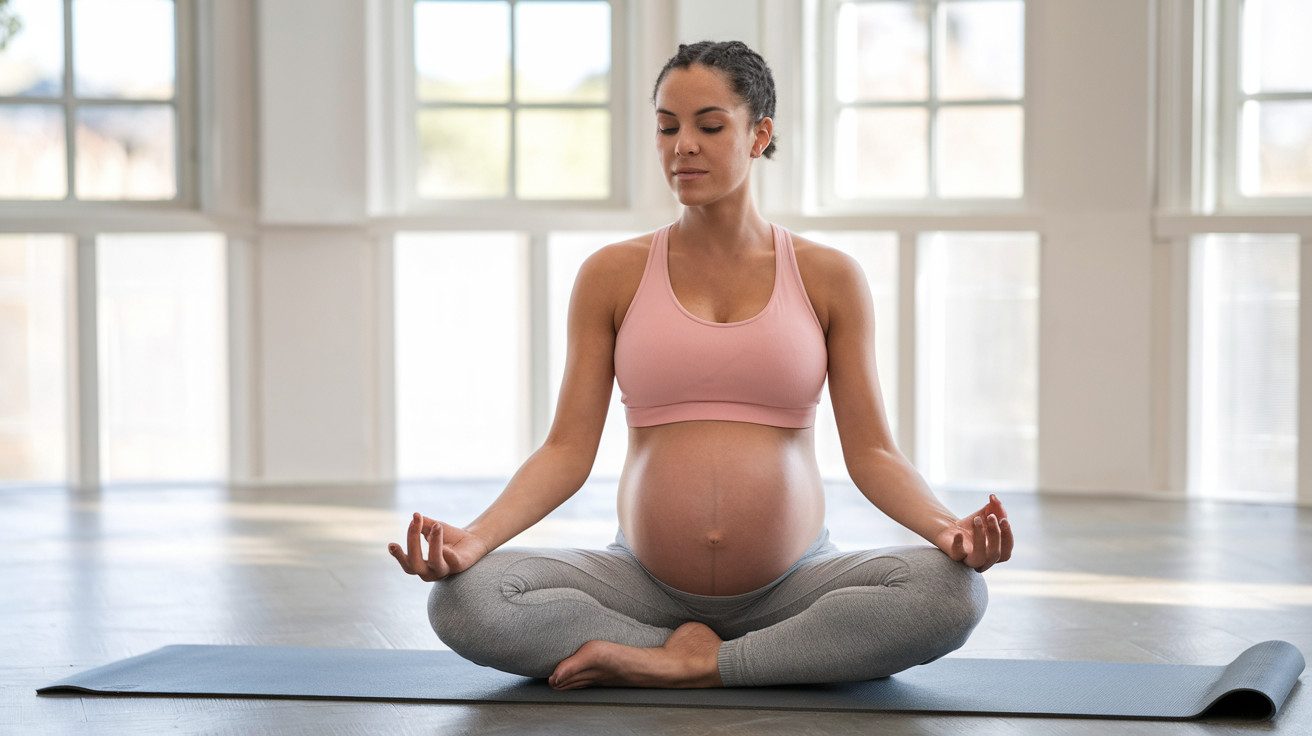
Now that we’ve covered the benefits of exercising during pregnancy, let’s explore some safe and effective workout options for expectant mothers. Staying active during pregnancy can be both enjoyable and beneficial when you choose the right exercises.
A. Walking and jogging
Walking is an excellent low-impact exercise that you can do throughout your pregnancy. It’s easy on your joints and helps improve cardiovascular health. You can start with brisk walking and gradually increase your pace as you feel comfortable. Jogging is also safe for many pregnant women, especially if you were a runner before pregnancy. However, always listen to your body and adjust your intensity as needed.
B. Swimming and water aerobics
Water-based exercises are ideal during pregnancy as they provide a full-body workout while being gentle on your joints. Swimming and water aerobics offer:
- Buoyancy to support your growing belly
- Resistance for muscle strengthening
- A cool environment to prevent overheating
C. Prenatal yoga and pilates
Prenatal yoga and pilates can help you maintain flexibility, improve balance, and strengthen your core muscles. These exercises also focus on breathing techniques, which can be beneficial during labor. Always opt for classes specifically designed for pregnant women to ensure proper modifications are made.
D. Low-impact strength training
Strength training helps maintain muscle tone and can prepare your body for the physical demands of pregnancy and childbirth. Focus on:
- Using light weights or resistance bands
- Performing exercises that target major muscle groups
- Avoiding exercises that require lying flat on your back after the first trimester
E. Stationary cycling
Stationary cycling is a safe cardiovascular exercise that doesn’t put stress on your joints. It allows you to control the intensity and provides a seated position, which can be more comfortable as your pregnancy progresses.
Remember, before starting any exercise routine during pregnancy, it’s crucial to consult with your healthcare provider. They can provide personalized advice based on your individual health and pregnancy status.
Next, we’ll discuss important precautions and modifications to keep in mind while exercising during pregnancy.
Precautions and modifications
Now that we’ve covered safe exercises for pregnant women, let’s discuss the essential precautions and modifications you should keep in mind during your prenatal workouts.
As your body changes throughout pregnancy, it’s crucial to adapt your exercise routine accordingly.
Avoiding high-risk activities
During pregnancy, you should steer clear of activities that pose a risk of falling or abdominal trauma. These include:
- Contact sports (e.g., basketball, soccer)
- Horseback riding
- Skiing or snowboarding
- Hot yoga or hot Pilates
Instead, focus on low-impact exercises that are safe for you and your baby.
Listening to your body
Your body is going through significant changes, so it’s vital to pay attention to its signals. Here are some tips:
- Stop exercising if you feel dizzy, short of breath, or experience any pain
- Avoid overexertion and maintain a moderate intensity level
- Take breaks when needed and don’t push yourself too hard
Remember, every pregnancy is unique, so what works for others may not work for you.
Staying hydrated
Proper hydration is crucial during pregnancy, especially when exercising. Here’s what you need to know:
- Drink water before, during, and after your workout
- Aim for at least 8-10 glasses of water daily
- Consider electrolyte-rich drinks for longer workouts
Staying hydrated helps prevent overheating and supports your body’s increased blood volume.
Proper breathing techniques
Maintaining proper breathing during exercise is essential for both you and your baby. Follow these guidelines:
- Focus on steady, rhythmic breathing
- Avoid holding your breath during exercises
- Practice diaphragmatic breathing to support your core and pelvic floor
By implementing these precautions and modifications, you can safely enjoy the benefits of exercise throughout your pregnancy. Next, we’ll explore trimester-specific workout guidelines to help you tailor your routine as your pregnancy progresses.
Trimester-specific workout guidelines
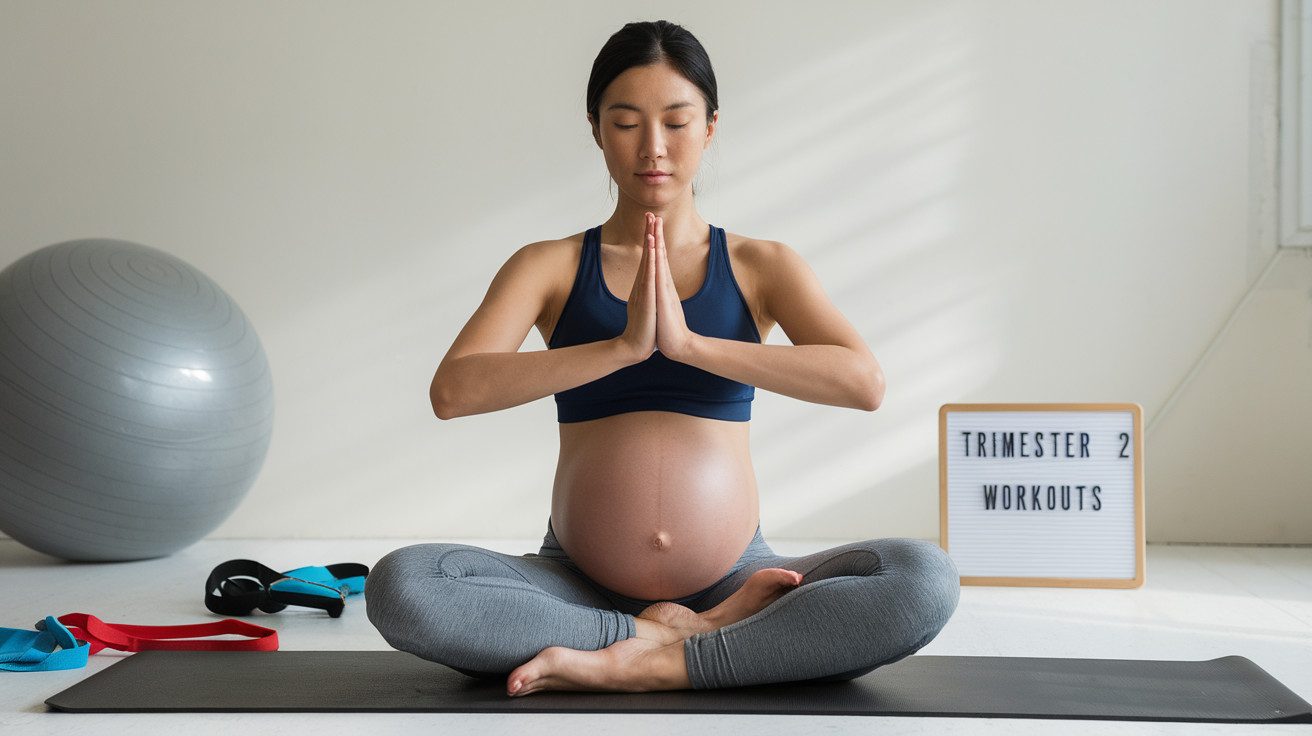
Now that we’ve covered safe exercises and precautions, let’s explore how to adapt your workouts throughout your pregnancy journey. Each trimester brings unique changes to your body, requiring specific adjustments to your exercise routine.
First trimester adjustments
During the first trimester, you can generally maintain your pre-pregnancy workout routine with a few modifications:
- Focus on low-impact cardio exercises like walking, swimming, or stationary cycling
- Continue strength training with lighter weights and more repetitions
- Incorporate balance exercises to prepare for your changing center of gravity
- Listen to your body and reduce intensity if you experience morning sickness or fatigue
Second trimester adaptations
As your baby bump grows, you’ll need to make some changes to accommodate your changing body:
- Avoid exercises that require lying flat on your back after 16 weeks
- Modify core exercises to focus on obliques and pelvic floor muscles
- Increase your warm-up and cool-down time to prevent dizziness
- Consider prenatal yoga or Pilates classes for gentle stretching and strengthening
Third trimester considerations
In the final stretch of your pregnancy, prioritize comfort and safety:
- Reduce the intensity and duration of your workouts as needed
- Focus on exercises that improve posture and relieve back pain
- Incorporate pelvic floor exercises to prepare for childbirth
- Stay hydrated and avoid overheating during workouts
Remember, every pregnancy is unique, so it’s essential to consult with your healthcare provider before starting or continuing any exercise program. They can provide personalized advice based on your specific needs and medical history.
Essential gear for prenatal workouts
When you’re exercising during pregnancy, having the right gear can make a world of difference in your comfort and safety. Here’s what you need to know about essential equipment for your prenatal workouts:
A. Supportive maternity bras
As your body changes, you’ll need extra support during workouts. Invest in high-quality maternity sports bras that:
- Provide ample support and minimize bounce
- Have adjustable straps to accommodate your changing body
- Are made from moisture-wicking materials to keep you cool and dry
B. Comfortable clothing
Choose clothing that allows you to move freely and keeps you comfortable:
- Opt for stretchy, breathable fabrics
- Look for maternity-specific workout wear with expandable waistbands
- Layer your clothing for easy temperature regulation
C. Proper footwear
Your feet need extra care during pregnancy. When selecting shoes:
- Choose shoes with good arch support and cushioning
- Look for non-slip soles for better stability
- Consider going up a half-size to accommodate swelling
D. Pregnancy support belts
As your belly grows, a support belt can help reduce discomfort during exercise:
- Provides lower back and abdominal support
- Helps distribute weight more evenly
- Can improve posture and reduce strain on your muscles
Now that you know what gear you need, let’s move on to the importance of consulting with healthcare professionals before starting any prenatal exercise routine.
Consulting with healthcare professionals
When it comes to working out during pregnancy, it’s crucial to prioritize your health and your baby’s well-being. Consulting with healthcare professionals is an essential step in ensuring a safe and effective prenatal fitness routine.
Getting clearance from your doctor
Before you begin any exercise program during pregnancy, it’s vital to get the green light from your healthcare provider. Your doctor will assess your overall health, pregnancy progression, and any potential risks to determine if you can safely exercise. They’ll consider factors such as:
- Your pre-pregnancy fitness level
- Any existing medical conditions
- The current stage of your pregnancy
Remember, your doctor’s approval is crucial, as they can advise you on which month to start exercise during pregnancy based on your individual circumstances.
Working with a prenatal fitness specialist
Once you have your doctor’s clearance, consider working with a prenatal fitness specialist. These professionals are trained to guide you through safe exercises for pregnant women. They can:
- Design a customized workout plan tailored to your needs
- Teach you proper form and technique to avoid injury
- Suggest modifications as your pregnancy progresses
A prenatal fitness specialist can help you understand what exercise a pregnant woman can do safely and effectively throughout each trimester.
Regular check-ins throughout pregnancy
Your body undergoes significant changes during pregnancy, so it’s important to maintain open communication with your healthcare team. Schedule regular check-ins to:
- Discuss any discomfort or concerns you may have
- Adjust your exercise routine as needed
- Monitor your progress and the baby’s development
These check-ins will help ensure that you can continue to exercise safely during pregnancy. Your healthcare provider may recommend changes to your routine based on how your body responds to exercise and the progression of your pregnancy.
By consulting with healthcare professionals, you can confidently answer the question, “Can you exercise during pregnancy?” with a resounding yes – as long as you follow their guidance and listen to your body.
With proper supervision and care, you can enjoy the numerous benefits of staying active throughout your pregnancy journey.
Staying active during pregnancy offers numerous benefits for both you and your baby. By engaging in safe exercises, making necessary modifications, and following trimester-specific guidelines, you can maintain your fitness levels and prepare your body for childbirth.
Always listen to your body and consult with your healthcare provider before starting or continuing any exercise routine.
As you start your prenatal fitness journey, invest in essential gear to ensure comfort and safety during workouts. Most importantly, prioritize open communication with your healthcare team throughout your pregnancy.
By staying informed and taking the necessary precautions, you can enjoy a healthy and active pregnancy while reaping the rewards of regular exercise.